
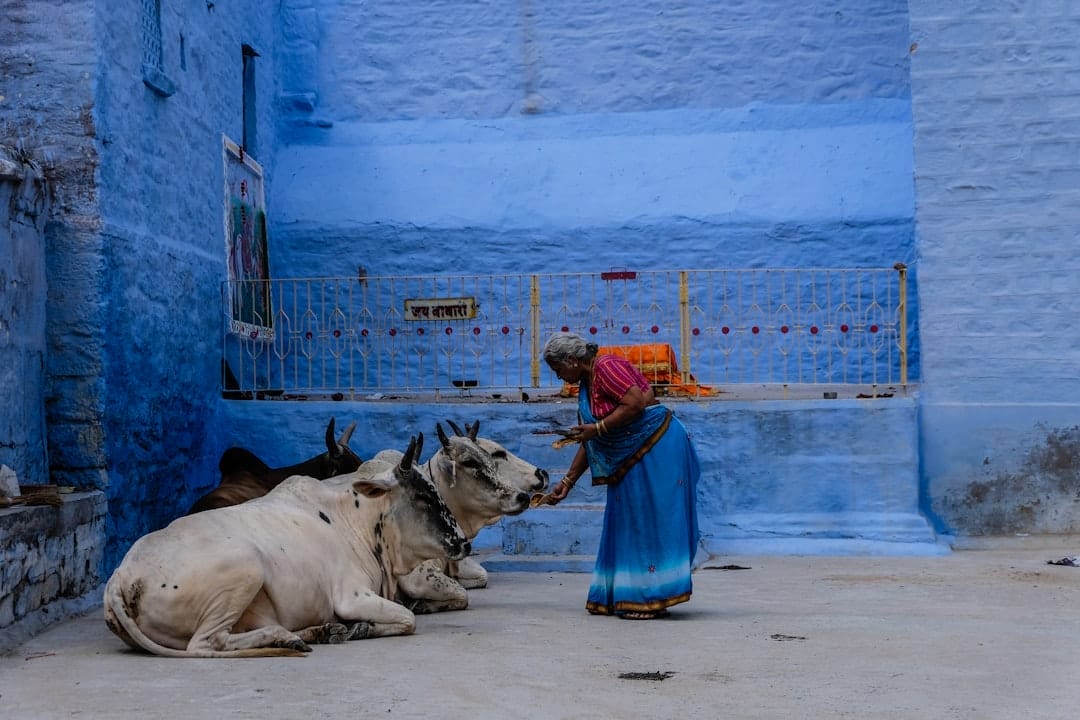
The concept of sacred cows is as old as civilization itself, steeped in the rich tapestry of human culture and belief systems. The origins of these revered creatures can be traced back to ancient agricultural societies, where cows were not merely livestock but symbols of wealth, fertility, and sustenance. In many cultures, particularly in India, the cow has been venerated for its life-giving properties, providing milk, labor, and even dung for fuel and fertilizer. This multifaceted utility transformed the cow into a cornerstone of agrarian life, elevating it to a status that transcended mere economic value.
As societies evolved, so too did the symbolism attached to these animals. In Hinduism, for instance, the cow is considered a manifestation of divine qualities, embodying gentleness and nurturing. The reverence for cows is enshrined in ancient texts and rituals, where they are often associated with various deities. This sanctification of the cow reflects a broader human tendency to imbue certain elements of nature with spiritual significance, creating a bridge between the mundane and the divine. Thus, the origins of sacred cows are not just rooted in practicality but are also deeply intertwined with the spiritual and cultural identities of communities.
Key Takeaways
- Sacred cows in tradition have their origins in ancient cultural and religious practices, often rooted in mythology and folklore.
- The role of sacred cows in cultural and religious practices is to symbolize purity, divinity, and protection, and they are often revered and worshipped in various rituals and ceremonies.
- Challenging the sacred cows has led to critiques and controversies, as some individuals and groups question the relevance and impact of these traditions on modern society.
- The impact of sacred cows on social and political dynamics can be significant, as they can influence power structures, social hierarchies, and even public policies.
- Sacred cows in modern society are adapting to change by incorporating new interpretations, practices, and values, while still preserving their traditional significance.
The Role of Sacred Cows in Cultural and Religious Practices
Sacred cows play a pivotal role in cultural and religious practices across the globe, serving as symbols of faith, community, and identity. In Hindu rituals, for example, cows are often adorned with garlands and worshipped during festivals like Gopashtami, where devotees express their gratitude for the animal’s contributions to agriculture and daily life. This reverence extends beyond mere ritual; it fosters a sense of community among practitioners who gather to celebrate their shared beliefs and values. The cow becomes a focal point around which social bonds are strengthened, reinforcing cultural identity in an increasingly fragmented world.
Moreover, the presence of sacred cows in religious narratives often serves to convey moral lessons and ethical principles. In many traditions, the cow represents non-violence and compassion, urging followers to adopt a lifestyle that respects all living beings. This ethical dimension is particularly significant in a world where conflicts often arise from differing beliefs and values. By promoting ideals of kindness and respect through the symbolism of sacred cows, these cultural practices encourage dialogue and understanding among diverse groups. Thus, sacred cows are not merely passive symbols; they actively shape the moral landscape of societies.
Challenging the Sacred Cows: Critiques and Controversies

Despite their revered status, sacred cows are not immune to critique and controversy. In contemporary discourse, the notion of „sacred cows“ has evolved into a metaphor for any idea or institution that is beyond question or criticism. This has led to heated debates about the relevance and implications of such traditions in modern society. Critics argue that clinging to outdated beliefs can hinder progress and perpetuate social injustices. For instance, the protection of cows in some cultures has sparked discussions about animal rights versus cultural heritage, raising questions about how to balance respect for tradition with ethical considerations.
Furthermore, the political ramifications of sacred cows cannot be overlooked. In countries like India, where cow protection laws have been enacted, these regulations often intersect with issues of nationalism and identity politics. The debate surrounding cow slaughter has become a flashpoint for broader societal tensions, with various groups using the cow as a symbol to assert their cultural dominance or challenge existing power structures. This intersection of tradition and politics complicates the narrative surrounding sacred cows, revealing how deeply ingrained beliefs can be weaponized in contemporary conflicts.
The Impact of Sacred Cows on Social and Political Dynamics
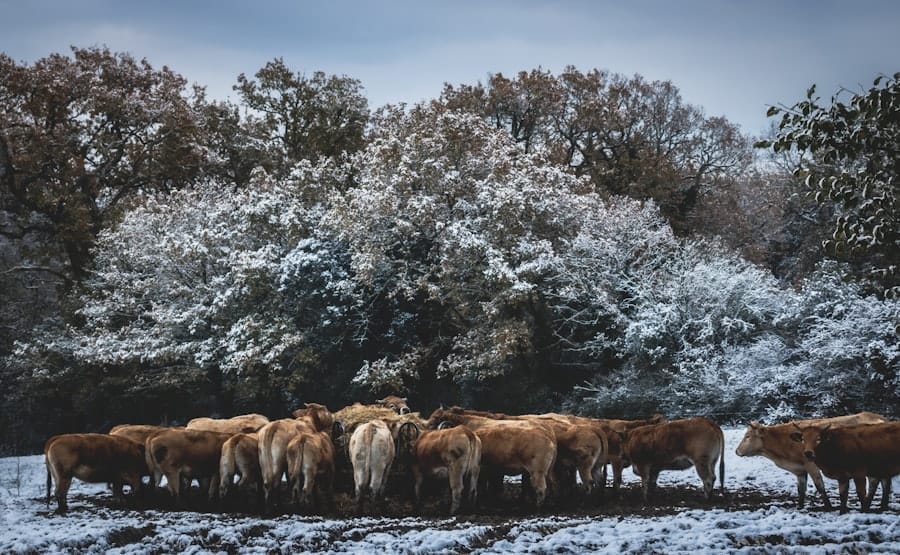
The impact of sacred cows on social and political dynamics is profound and multifaceted. In societies where cows are revered, their status can influence everything from agricultural policies to social hierarchies. For instance, in India, the cow’s sacred status has led to significant legal protections that affect farmers‘ livelihoods and economic practices. While these laws aim to preserve cultural heritage, they can also create tensions between different communities—particularly between those who rely on cattle for sustenance and those who view them as sacred.
Moreover, the political exploitation of sacred cows can exacerbate existing divisions within society. Leaders may invoke the sanctity of cows to rally support or distract from pressing issues such as poverty or unemployment. This manipulation of cultural symbols can lead to polarization, as groups align themselves along lines of belief and identity rather than engaging in constructive dialogue. The result is a complex interplay between tradition and modernity, where sacred cows become both a source of unity and division within communities.
Sacred Cows in Modern Society: Adapting to Change
In an era marked by rapid change and globalization, sacred cows face new challenges that require adaptation and reinterpretation. As societies become more interconnected, traditional beliefs are often scrutinized through contemporary lenses that prioritize individual rights and ethical considerations. This has led to a reevaluation of what it means to honor sacred cows in a modern context. For instance, while many still uphold the cow’s sanctity in religious practices, there is an increasing recognition of the need for humane treatment of all animals—sacred or not.
This adaptation is not without its complexities. On one hand, there is a growing movement advocating for animal rights that challenges traditional views on sacred cows; on the other hand, there are those who argue that such movements threaten cultural heritage. The dialogue surrounding sacred cows has thus evolved into a nuanced conversation about how to honor tradition while embracing progress. This balancing act requires sensitivity and openness to change—qualities that are essential for navigating the intricate landscape of modern society.
The Intersection of Tradition and Innovation in Sacred Cows
The intersection of tradition and innovation presents both opportunities and challenges for the concept of sacred cows.
As societies grapple with modern dilemmas—such as climate change, food security, and ethical consumption—there is potential for reimagining how sacred cows fit into contemporary life. Innovative approaches to agriculture that respect both cultural traditions and environmental sustainability are emerging, allowing communities to honor their heritage while adapting to new realities.
For example, some farmers are exploring sustainable practices that incorporate traditional methods while also addressing modern concerns about animal welfare and ecological impact. This fusion of old and new not only preserves cultural identity but also fosters resilience in the face of global challenges. By embracing innovation within the framework of tradition, communities can ensure that sacred cows remain relevant symbols that contribute positively to both cultural heritage and contemporary society.
Preserving and Celebrating Sacred Cows in a Changing World
As we navigate an increasingly complex world, preserving and celebrating sacred cows becomes an act of cultural resilience. Communities are finding creative ways to honor their traditions while also engaging with contemporary issues. Festivals celebrating sacred cows are being reimagined to include discussions on animal welfare, environmental sustainability, and social justice—transforming these events into platforms for dialogue rather than mere displays of reverence.
Moreover, educational initiatives aimed at younger generations are crucial for ensuring that the significance of sacred cows is passed down while also encouraging critical thinking about tradition. By fostering an environment where young people can explore their cultural heritage alongside modern values, communities can cultivate a sense of pride that is both rooted in history and open to evolution. This celebration of sacred cows thus becomes a dynamic process—one that honors the past while embracing the future.
The Future of Sacred Cows: Navigating Tradition in a Globalized World
Looking ahead, the future of sacred cows will undoubtedly be shaped by the forces of globalization and cultural exchange. As ideas flow freely across borders, there is potential for both enrichment and conflict regarding traditional beliefs. The challenge lies in navigating this landscape with sensitivity and respect for diverse perspectives while also recognizing the need for progress.
In this globalized world, sacred cows may serve as bridges rather than barriers—connecting people through shared values while allowing for differences in interpretation and practice. By fostering dialogue that honors tradition while embracing innovation, communities can ensure that sacred cows continue to hold meaning in an ever-changing context. Ultimately, the future will depend on our ability to balance reverence for the past with a commitment to creating a more inclusive and compassionate world—one where sacred cows can thrive alongside humanity’s evolving understanding of ethics and coexistence.