
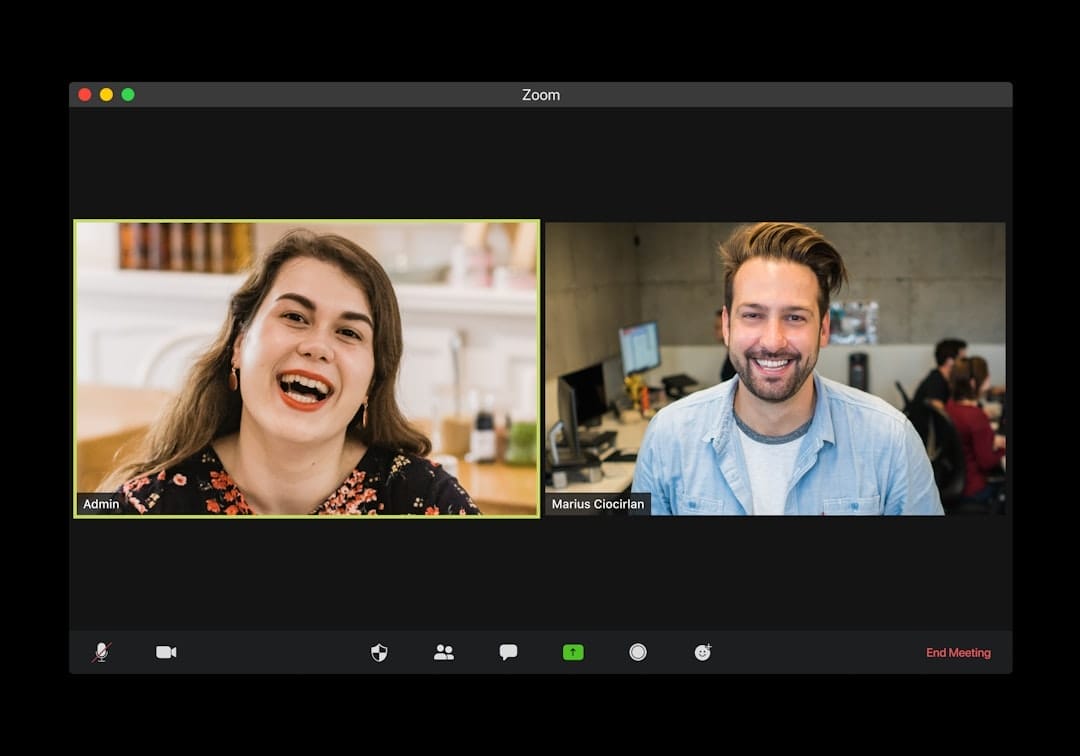
In the contemporary landscape of work, virtual teams have emerged as a significant paradigm shift, reshaping how organizations operate. Defined as groups of individuals who collaborate from different geographical locations, often utilizing digital communication tools, virtual teams have become increasingly prevalent due to globalization and advancements in technology. The rise of remote work, accelerated by the COVID-19 pandemic, has further solidified the role of virtual teams in various sectors, from tech startups to multinational corporations.
This shift has not only transformed traditional workplace dynamics but has also introduced new methodologies for collaboration and productivity. The essence of virtual teams lies in their ability to harness diverse talents and perspectives from around the globe. By breaking down geographical barriers, organizations can tap into a wider talent pool, enabling them to assemble teams with specialized skills that may not be available locally.
This diversity can lead to innovative solutions and creative problem-solving approaches, as team members bring unique insights shaped by their cultural backgrounds and experiences. However, while the potential benefits are substantial, the transition to virtual collaboration also necessitates a reevaluation of management practices and communication strategies to ensure that productivity remains high.
Key Takeaways
- Virtual teams are becoming increasingly common in today’s globalized and digital work environment, allowing for collaboration across geographical boundaries.
- Virtual teams can increase productivity by providing flexibility, reducing commuting time, and allowing for a diverse talent pool.
- Challenges of virtual teams include communication barriers, time zone differences, and potential feelings of isolation among team members.
- Effective communication in virtual teams can be achieved through regular check-ins, clear and concise messaging, and the use of multiple communication channels.
- Tools and technologies such as project management software, video conferencing, and instant messaging can help virtual teams maximize productivity and collaboration.
Benefits of Virtual Teams for Productivity
Virtual teams have revolutionized the modern workplace by offering numerous advantages that significantly enhance productivity and organizational efficiency. One of the most notable benefits is the elimination of geographical constraints, allowing companies to access top talent worldwide without relocation costs or visa complications. Virtual teams also reduce overhead expenses associated with maintaining physical office spaces, including rent, utilities, and office supplies, enabling organizations to redirect these resources toward core business objectives. The digital nature of remote collaboration often results in better documentation and transparency of work processes, as team members must clearly communicate and document their progress in shared platforms. Additionally, virtual teams typically experience fewer interruptions and workplace distractions compared to traditional office environments, leading to improved focus and task completion. The flexibility of working across different time zones can create a 24-hour work cycle, particularly beneficial for global projects and customer support operations. Research has shown that virtual team members often report higher job satisfaction due to improved work-life balance, which directly correlates with increased productivity and lower turnover rates. The adoption of digital collaboration tools and project management software has also streamlined communication and task tracking, making it easier to measure productivity metrics and identify areas for improvement. Furthermore, virtual teams tend to be more resilient during disruptions like natural disasters or public health crises, ensuring business continuity and maintaining productivity levels even in challenging circumstances.
Challenges of Virtual Teams for Productivity

Despite the numerous benefits associated with virtual teams, several challenges can impede productivity. One of the most significant hurdles is the potential for miscommunication. In a virtual environment where face-to-face interactions are limited, nuances such as tone, body language, and immediate feedback can be lost.
This lack of non-verbal cues can lead to misunderstandings and conflicts among team members. For instance, an email intended to convey constructive criticism may be perceived as harsh or dismissive without the context provided by vocal inflection or facial expressions. Additionally, the isolation that often accompanies remote work can negatively impact team cohesion and morale.
Team members may feel disconnected from their colleagues, leading to feelings of loneliness or disengagement. This emotional distance can hinder collaboration and stifle creativity, as individuals may be less inclined to share ideas or seek input from others when they feel isolated. The absence of informal interactions—such as casual conversations by the water cooler or spontaneous brainstorming sessions—can also limit opportunities for relationship-building and team bonding, which are crucial for fostering a collaborative environment.
Strategies for Effective Communication in Virtual Teams
To mitigate the challenges associated with communication in virtual teams, organizations must implement strategic approaches that promote clarity and engagement. One effective strategy is to establish clear communication protocols that outline preferred channels for different types of interactions. For example, urgent matters might be addressed via instant messaging platforms like Slack or Microsoft Teams, while more complex discussions could take place during scheduled video conferences.
By delineating these channels, team members can better navigate communication expectations and reduce the likelihood of misunderstandings. Regular check-ins are another vital component of effective communication in virtual teams. Scheduling weekly or bi-weekly meetings allows team members to discuss progress, address concerns, and share updates in a structured manner.
These meetings not only provide an opportunity for accountability but also foster a sense of connection among team members. Additionally, incorporating icebreakers or informal discussions at the beginning of these meetings can help build rapport and create a more relaxed atmosphere conducive to open dialogue.
Tools and Technologies for Maximizing Productivity in Virtual Teams
The successful operation of virtual teams hinges on the effective use of tools and technologies designed to facilitate collaboration and enhance productivity. Project management software such as Asana or Trello allows teams to organize tasks, set deadlines, and track progress in real-time. These platforms provide transparency regarding individual responsibilities and project timelines, ensuring that everyone is aligned toward common goals.
Communication tools are equally essential for maintaining connectivity among team members. Video conferencing platforms like Zoom or Google Meet enable face-to-face interactions that help bridge the gap created by physical distance. Screen sharing capabilities allow team members to collaborate on documents or presentations in real-time, fostering a more interactive experience.
Furthermore, cloud-based storage solutions such as Google Drive or Dropbox facilitate easy access to shared files and resources, ensuring that all team members have the information they need at their fingertips.
Building Trust and Collaboration in Virtual Teams

Trust is a cornerstone of effective collaboration within virtual teams. Without the ability to build personal relationships through in-person interactions, leaders must be intentional about fostering trust among team members. One approach is to encourage transparency by sharing information openly and regularly updating team members on organizational developments or project statuses.
When team members feel informed and included in decision-making processes, they are more likely to trust one another and engage collaboratively. Another strategy for building trust is to promote a culture of recognition and appreciation within the team. Acknowledging individual contributions—whether through shout-outs during meetings or recognition programs—can significantly enhance morale and reinforce a sense of belonging.
When team members feel valued for their efforts, they are more inclined to collaborate effectively and support one another in achieving shared objectives.
Setting Clear Goals and Expectations for Virtual Teams
Establishing clear goals and expectations is critical for guiding virtual teams toward success. Leaders should articulate specific objectives that align with broader organizational goals while ensuring that each team member understands their individual responsibilities within this framework. Utilizing the SMART criteria—Specific, Measurable, Achievable, Relevant, Time-bound—can help create well-defined goals that provide clarity and direction.
Regularly revisiting these goals during team meetings allows for adjustments based on progress or changing circumstances. This iterative approach not only keeps everyone aligned but also fosters accountability among team members. When individuals understand how their contributions fit into the larger picture, they are more motivated to perform at their best and collaborate effectively with their peers.
Managing and Motivating Virtual Teams for Optimal Productivity
Effective management of virtual teams requires a nuanced understanding of motivation in a remote context. Leaders must recognize that traditional motivational techniques may not translate seamlessly into a virtual environment. For instance, while some employees thrive on competition and recognition through performance metrics, others may find intrinsic motivation through personal growth opportunities or meaningful work.
To cater to diverse motivational drivers, leaders should engage in regular one-on-one check-ins with team members to understand their individual needs and aspirations better. By fostering an open dialogue about career goals and professional development interests, managers can tailor their approach to support each employee’s unique journey. Additionally, providing opportunities for skill development through online training programs or mentorship initiatives can enhance motivation by demonstrating an investment in employees‘ growth.
Furthermore, creating a positive virtual work culture is essential for sustaining motivation over time. Celebrating milestones—whether project completions or personal achievements—can foster a sense of community among team members. Virtual social events or team-building activities can also help strengthen relationships and maintain engagement levels within the team.
In today’s rapidly evolving digital landscape, virtual teams have emerged as a transformative approach to workplace collaboration. By leveraging technology and flexible work arrangements, organizations can unlock significant productivity gains and competitive advantages.
Enhanced Flexibility and Work-Life Balance
Virtual teams provide employees with unprecedented flexibility in managing their work schedules. Remote work eliminates commute times, reduces stress, and allows team members to create personalized work environments that optimize their individual productivity. This flexibility leads to improved job satisfaction and higher engagement levels.
Access to Global Talent
Geographic constraints no longer limit talent acquisition. Virtual teams enable companies to recruit top professionals from around the world, creating diverse and highly skilled workforces. This global talent pool brings varied perspectives, specialized skills, and innovative problem-solving approaches that can significantly enhance organizational performance.
Cost-Effectiveness and Operational Efficiency
By reducing physical office space requirements, companies can substantially decrease overhead costs. Virtual teams minimize expenses related to infrastructure, utilities, and office maintenance. Additionally, digital collaboration tools streamline communication and project management, resulting in more efficient workflows and reduced operational friction.
Increased Productivity and Performance
Contrary to traditional assumptions, virtual teams often demonstrate higher productivity levels. Employees experience fewer workplace distractions, can work during their most productive hours, and utilize time more effectively. Advanced digital collaboration platforms enable real-time communication, seamless file sharing, and transparent task tracking.
Environmental and Sustainability Benefits
Virtual teams contribute to reduced carbon emissions by minimizing daily commutes and office-related energy consumption. This approach aligns with corporate sustainability goals and demonstrates organizational commitment to environmental responsibility.
Key Technological Enablers
Successful virtual teams rely on robust technological infrastructure:
- Cloud-based collaboration platforms
- Video conferencing tools
- Project management software
- Secure communication channels
- Time tracking and productivity monitoring applications
Challenges and Mitigation Strategies
While virtual teams offer numerous advantages, organizations must address potential challenges:
- Implement clear communication protocols
- Foster a strong digital company culture
- Provide comprehensive remote work training
- Ensure robust cybersecurity measures
- Regularly assess team dynamics and individual well-being
Conclusion
Virtual teams represent a strategic approach to modern workforce management. By embracing digital collaboration, organizations can create more flexible, diverse, and productive work environments that drive innovation and competitive advantage.