

Stress is a common element in contemporary life that can have both positive and negative effects.
However, chronic stress can significantly impact physical and mental health.
Prolonged stress has been linked to serious health conditions including heart disease, obesity, diabetes, anxiety, and depression. When the body experiences stress, it releases hormones such as cortisol and adrenaline, triggering the fight-or-flight response. While this physiological reaction was advantageous for early humans facing physical threats, today it often occurs in response to everyday situations like work pressure, traffic congestion, or social media interactions.
The effects of stress extend beyond individual health to influence interpersonal relationships, workplace dynamics, and community well-being. Stressed individuals may experience increased irritability with family members or decreased engagement at work. This creates a cycle where stress leads to unhealthy behaviors, which subsequently generate more stress.
Understanding this pattern is essential for developing effective stress management strategies. Addressing the underlying causes of stress is necessary to prevent continuous cycles of anxiety and tension.
Key Takeaways
- Stress significantly affects both mental and physical health.
- Recognizing individual stress triggers is essential for effective management.
- Regular relaxation techniques and mindfulness improve overall well-being.
- Prioritizing self-care, physical activity, and setting boundaries reduces stress.
- Seeking support and maintaining a balanced schedule fosters resilience.
Identifying Personal Stress Triggers
Identifying personal stress triggers is akin to playing detective in your own life. It requires a keen eye and an open mind to uncover the sneaky culprits that send your stress levels soaring. These triggers can be as obvious as a looming deadline or as subtle as a nagging feeling of inadequacy after scrolling through Instagram.
The first step in this investigative journey is self-reflection. Take a moment to jot down situations or events that consistently leave you feeling frazzled. Is it that weekly meeting with your boss who seems to have an endless supply of criticism?
Or perhaps it’s the chaotic mornings spent wrangling children and pets while trying to find your other shoe? By pinpointing these stressors, you can begin to understand the patterns in your life that contribute to your overall stress levels. Once you’ve identified your triggers, it’s time to confront them head-on.
This might involve having difficult conversations with colleagues or family members about your needs or setting realistic expectations for yourself. For instance, if you find that multitasking is your kryptonite—leading to more chaos than productivity—consider simplifying your tasks and focusing on one thing at a time. It’s also essential to recognize that some triggers may be beyond your control.
In these cases, acceptance becomes key. You can’t change the fact that traffic exists or that your neighbor’s dog has an impressive talent for barking at 3 AM. However, you can change how you respond to these stressors.
By acknowledging their presence and developing coping strategies, you can reclaim some power over your stress levels.
Incorporating Relaxation Techniques into Daily Routine

Incorporating relaxation techniques into your daily routine is like adding a splash of color to a monochrome painting—it transforms the mundane into something vibrant and enjoyable. The beauty of relaxation techniques is their versatility; they can be tailored to fit even the busiest of schedules. Whether it’s a five-minute breathing exercise during your lunch break or a leisurely stroll in the park after work, these moments of calm can significantly reduce stress levels.
One popular method is deep breathing, which involves inhaling deeply through the nose, holding for a few seconds, and exhaling slowly through the mouth. This simple practice can help ground you in the present moment and alleviate feelings of anxiety. Another effective technique is progressive muscle relaxation (PMR), which involves tensing and then relaxing different muscle groups in the body.
Picture yourself as a human stress ball—squeeze tightly and then release! This method not only helps relieve physical tension but also promotes mental clarity. You might even find yourself chuckling at how ridiculous you look while doing it—after all, who doesn’t want to feel like a pretzel for a few minutes?
The key is consistency; by integrating these techniques into your daily routine, you create a sanctuary of calm amidst life’s chaos. Over time, you’ll likely notice that you’re better equipped to handle stressors when they arise.
Prioritizing Self-Care and Physical Activity
In the grand tapestry of life, self-care often gets relegated to the “nice-to-have” category rather than being treated as an essential thread woven into our daily existence. Prioritizing self-care is not an indulgence; it’s a necessity for maintaining both physical and mental well-being. Think of self-care as charging your phone; without it, you’ll eventually run out of juice and be left scrambling for an outlet—or worse, stuck in a meeting with no way to escape!
Self-care can take many forms: indulging in a bubble bath, reading a good book, or simply taking time to enjoy your favorite hobby without guilt. The important thing is to carve out time for yourself amidst life’s demands. Physical activity is another crucial component of self-care that often gets overlooked in our quest for relaxation.
Exercise doesn’t have to mean hitting the gym for an hour every day; it can be as simple as dancing around your living room or taking a brisk walk around the block while belting out your favorite tunes (bonus points if you pretend you’re in a music video). Engaging in regular physical activity releases endorphins—those delightful little chemicals that boost your mood and help combat stress. Plus, it provides an excellent excuse to wear those cute workout clothes you bought but never seem to wear outside the house!
By prioritizing self-care and physical activity, you’re not just investing in your health; you’re also sending a powerful message to yourself: “I am worthy of care and attention.”
Establishing Healthy Boundaries and Saying No
Establishing healthy boundaries is like putting up a fence around your garden; it protects what you’ve cultivated while keeping out unwanted intruders. In our fast-paced world where saying “yes” often feels like the default response, learning to say “no” can be liberating—and yes, even empowering! Boundaries are essential for maintaining balance in our lives; they allow us to prioritize our needs without feeling guilty about it.
Whether it’s declining an invitation to yet another social gathering or setting limits on work hours, establishing boundaries helps create space for what truly matters. Saying no doesn’t have to be confrontational or dramatic; it can be done with grace and kindness. A simple “I appreciate the offer, but I need some time for myself” can go a long way in preserving your mental health while still being respectful of others’ feelings.
Remember that every time you say yes to something that drains you, you’re inadvertently saying no to something that could nourish your soul—like binge-watching your favorite show or enjoying a quiet evening with a good book. By establishing healthy boundaries and practicing the art of saying no, you’re not just protecting your time; you’re also fostering healthier relationships with those around you.
Seeking Support from Friends, Family, or Professionals
In times of stress, seeking support from friends, family, or professionals is akin to having a safety net beneath you as you navigate life’s tightrope walk. It’s easy to fall into the trap of thinking we must handle everything on our own—after all, who wants to burden others with their problems? However, reaching out for support is not a sign of weakness; rather, it demonstrates strength and vulnerability.
Friends and family can provide invaluable perspectives and emotional support during challenging times. Sometimes all it takes is venting about your day over coffee or sharing a laugh with someone who understands what you’re going through. If you find that your stress feels overwhelming or persistent despite your best efforts at self-care, seeking professional help may be beneficial.
Therapists and counselors are trained to help individuals navigate their emotions and develop coping strategies tailored to their unique situations. Think of them as personal trainers for your mental health—guiding you through exercises that strengthen your resilience and emotional well-being. Remember that seeking support is not just about addressing problems; it’s also about celebrating victories together!
Whether it’s sharing good news or simply enjoying each other’s company during tough times, having a support system can make all the difference in managing stress effectively.
Practicing Mindfulness and Meditation
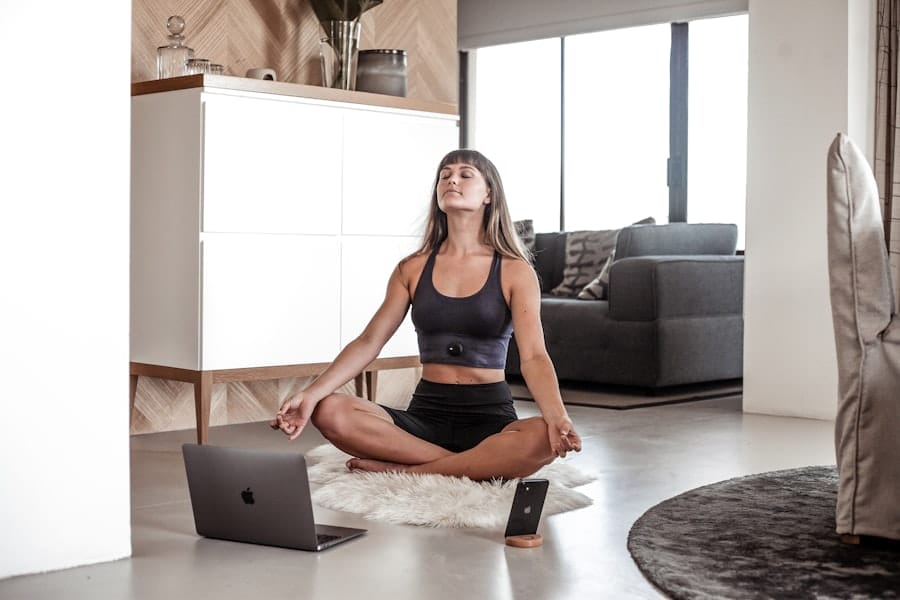
Practicing mindfulness and meditation is like giving your mind a much-needed vacation from the chaos of everyday life—a chance to hit pause on the relentless stream of thoughts that often cloud our judgment and increase our stress levels. Mindfulness involves being fully present in the moment without judgment; it encourages us to observe our thoughts and feelings without getting swept away by them. This practice can be as simple as savoring each bite of your meal or taking a few moments each day to focus on your breath while sitting quietly in nature (or even in your living room if nature feels too far away).
Meditation takes mindfulness a step further by providing structured techniques for calming the mind and body. Whether it’s guided meditation through an app or simply sitting in silence with your eyes closed for ten minutes each day, meditation offers profound benefits for reducing stress and enhancing overall well-being. You might find yourself chuckling at how difficult it is to quiet your mind at first—thoughts about grocery lists or upcoming deadlines may pop up like unwelcome guests at a party!
However, with practice comes progress; over time, you’ll likely discover greater clarity and peace within yourself. By incorporating mindfulness and meditation into your routine, you’re not just managing stress; you’re cultivating a deeper connection with yourself.
Creating a Balanced and Realistic Schedule
Creating a balanced and realistic schedule is akin to crafting a masterpiece—one that reflects both your aspirations and limitations while allowing room for spontaneity (because let’s face it: life rarely goes according to plan). A well-structured schedule helps prevent overwhelm by breaking tasks into manageable chunks while ensuring that there’s time for relaxation and self-care amidst the hustle and bustle of daily life. Start by identifying priorities: what absolutely must get done today?
What can wait until tomorrow? By distinguishing between urgent tasks and those that can be postponed without consequence, you’ll create space for flexibility. It’s also essential to build buffer time into your schedule—those precious moments between appointments or tasks where you can breathe deeply or grab a snack without feeling rushed!
Remember that perfectionism has no place here; life is messy and unpredictable! Embrace the idea that some days will go off-script—and that’s perfectly okay! By creating a balanced schedule that accommodates both productivity and leisure time, you’ll cultivate an environment where stress has less power over you.
After all, life should be more than just checking off boxes on a to-do list; it should be about savoring each moment along the way!
Effective stress management is crucial for maintaining mental well-being, and one insightful resource on this topic is the article on preparing for the future, which discusses various strategies to cope with anxiety about what lies ahead. You can read more about these strategies in the article here. This article provides practical tips that can help individuals navigate their stress and build resilience in the face of uncertainty.