
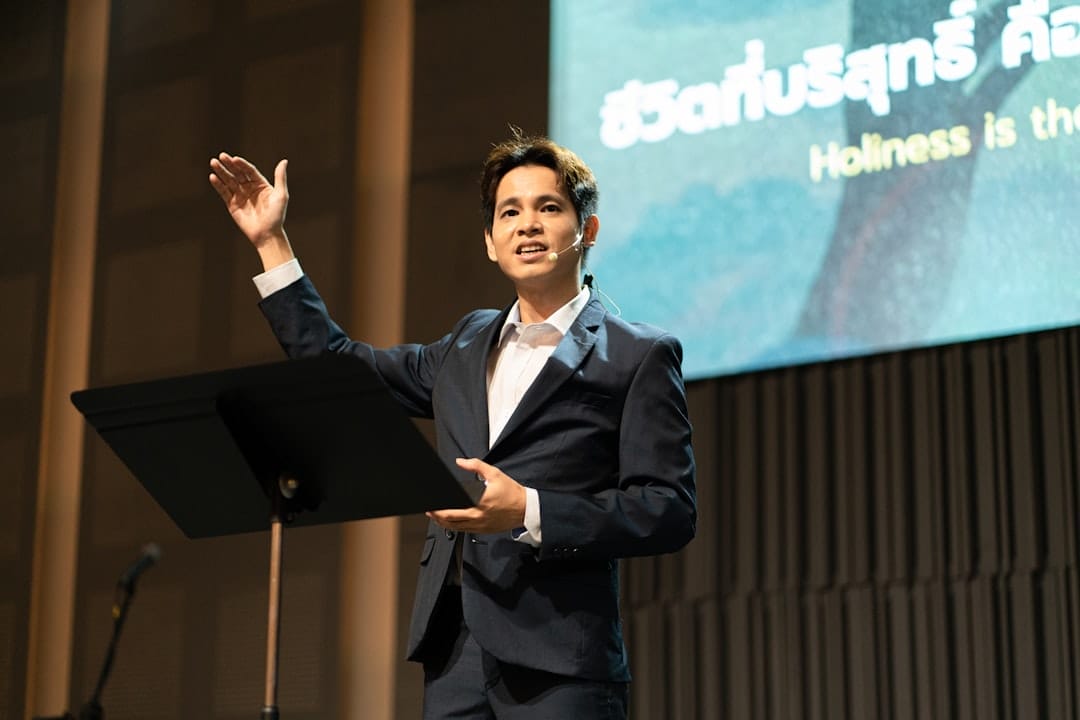
The quest for inspiration, that intangible spark that propels us from the humdrum to the heroic, has long been a cornerstone of human endeavour. In the modern corporate landscape, this quest often culminates in a surprisingly transactional solution: the booking of a professional motivational speaker. These peripatetic purveyors of passion, these maestros of motivation, are increasingly sought after by organisations eager to ignite a fire in their teams, foster innovation, or simply inject a much-needed dose of optimism into the collective psyche. But how does one navigate this often-unpredictable market, where charisma can be as currency and earnestness occasionally masks artifice? Let us embark on a journey through the labyrinthine world of booking motivational speakers, separating the genuine catalysts from the mere sound and light shows.
The Siren Call of Inspiration: Why Book a Speaker?
Before delving into the practicalities, it behoves us to examine the fundamental allure of the motivational speaker. Why, in an age saturated with self-help literature and readily available TED Talks, do organisations still invest significant resources in bringing a live speaker to their event?
Boosting Morale and Engagement: The Psychological Lift
One of the most frequently cited reasons for booking a motivational speaker is the desire to boost morale and engagement. A speaker, with their carefully crafted narratives and impassioned delivery, can act as a circuit breaker,
disrupting established patterns of thought and injecting a fresh perspective. Consider the weary sales team, facing diminishing returns and the relentless pressure of targets. A speaker who has overcome seemingly insurmountable odds, whether in business, sport, or personal life, can provide a powerful antidote to cynicism and burnout, reminding individuals of their inherent capabilities and the potential for triumph. This is not merely an emotional uplift; psychological studies suggest that positive emotions can broaden an individual’s thought-action repertoire, making them more resilient and open to new ideas.
Reinforcing Company Values and Vision: The Corporate Evangelist
Beyond individual uplift, motivational speakers are often employed as articulate champions of corporate values and vision. A well-chosen speaker can seamlessly weave the organisation’s mission into their broader narrative of success and resilience, making abstract principles tangible and relatable. Imagine a company launching a new sustainability initiative; a speaker who has built a successful enterprise on eco-conscious principles can be far more impactful than a slide deck on corporate social responsibility. They become, in essence, a corporate evangelist, translating abstract ideals into actionable inspiration, thereby fostering a deeper emotional connection between employees and the company’s strategic objectives.
Facilitating Change and Innovation: The Disruptive Catalyst
Organisations in an era of rapid technological and societal change face the constant challenge of adapting and innovating. Motivational speakers, particularly those with a background in entrepreneurship, technology, or disruptive thinking, can serve as a potent catalyst for embracing change. By sharing stories of overcoming technological hurdles, disrupting established industries, or navigating periods of intense uncertainty, they can equip audiences with the mental frameworks and courage necessary to experiment and evolve. They may not offer a blueprint, but they can certainly provide the spark that encourages teams to draw their own.
If you’re considering booking motivational speakers for your next event, you might find it beneficial to explore the insights shared in a related article on the future of book publishing and non-fiction literature. This piece delves into the evolving landscape of the industry and how it intersects with motivational speaking, providing valuable context for event organisers. To read more about this intriguing topic, visit this article.
Deciphering the Offering: Types of Motivational Speakers
The motivational speaking landscape is a vibrant and diverse ecosystem, populated by individuals from almost every conceivable walk of life. Understanding these categories is crucial for selecting a speaker whose expertise and narrative align most effectively with your event’s objectives.
The Inspirational Leader: From Boardroom to Beyond
This category encompasses individuals who have achieved significant success in business, politics, or professional leadership roles. Their narratives often focus on strategic thinking, team building, overcoming corporate adversity, and the qualities of effective leadership.
Key characteristics: Experience in high-stakes environments, demonstrable leadership achievements, often possess a gravitas that commands attention.
Typical messages: Strategic vision, resilience in leadership, fostering a high-performance culture.
The Proverbial Underdog: Tales of Triumph Against Adversity
These speakers are often individuals who have faced exceptional personal challenges – a debilitating illness, a catastrophic failure, or significant social disadvantage – and emerged victorious. Their stories are powerful testaments to the human spirit’s capacity for resilience and perseverance.
Key characteristics: A compelling personal narrative of overcoming adversity, often deeply emotive and inspiring, emphasises grit and determination.
Typical messages: Resilience, mental fortitude, the power of belief, finding opportunity in adversity.
The Sporting Hero: Discipline, Dedication, and the Drive to Win
Drawing parallels between the sporting arena and the corporate world is a time-honoured motivational strategy. Olympic athletes, professional sports team captains, and coaches often leverage their experiences in competition to illustrate principles of teamwork, discipline, goal setting, and performing under pressure.
Key characteristics: Proven track record of sporting achievement, ability to translate athletic principles into transferable business lessons, often possess an infectious energy.
Typical messages: Teamwork, goal setting, perseverance, mental toughness, high performance.
The Innovator and Futurist: Charting the Path Ahead
These speakers are often at the forefront of technological advancement, scientific discovery, or disruptive business models. Their focus is on future trends, innovation, adapting to change, and fostering a forward-thinking mindset.
Key characteristics: Deep expertise in a specific field, often provocative and thought-provoking, challenges conventional wisdom.
Typical messages: Embracing change, fostering innovation, understanding future trends, cultivating a growth mindset.
The Specialist Practitioner: Niche Expertise with Broader Appeal
This category includes individuals who have developed specific expertise in areas such as mental well-being, productivity, communication skills, or creativity. While their focus might be narrower, their insights can have broad applications across various professional contexts.
Key characteristics: Deep knowledge in a specific domain, often offers actionable strategies and tools, can be highly engaging through practical application.
Typical messages: Mindfulness, effective communication, creative problem-solving, stress management.
The Booking Odyssey: Navigating the Speaker Market
Having established the ‚why‘ and surveyed the ‚what‘, we now turn to the ‚how‘. The process of booking a motivational speaker can range from a straightforward transaction to a protracted negotiation, depending on the speaker’s profile and your organisation’s budget.
Defining Your Objectives and Budget: The North Star
Before embarking on any speaker search, it is imperative to clearly define your objectives. What specific outcome are you hoping to achieve? Is it increased sales, improved team collaboration, or a renewed sense of purpose? Be brutally honest with yourself. This clarity will serve as your guiding star, preventing you from being swayed by impressive bios that, while compelling, may not align with your strategic needs. Simultaneously, establish a realistic budget. Speaker fees can vary wildly, from a few hundred pounds for emerging talent to six figures for globally recognised figures.
Research and Shortlisting: The Digital Deep Dive
The digital age has democratised access to information, and speaker research is no exception. Begin by exploring reputable speaker bureaus, which act as intermediaries and often have extensive rosters. Look for testimonials, watch speaking reels, and scrutinise their online presence. Consider their previous client list – have they spoken to similar organisations? Don’t shy away from independent research; LinkedIn, professional associations, and industry publications can unearth hidden gems. Create a shortlist of 3-5 speakers who appear to meet your criteria for content, style, and budget.
The Art of the Pitch: Crafting a Compelling Invitation
Once you have your shortlist, it’s time to craft an invitation that stands out. Remember, high-demand speakers receive numerous requests. Your pitch should be concise, professional, and clearly articulate:
- Your organisation: Who are you and what do you do?
- The event: Date, location, audience demographics, and the desired atmosphere.
- Your objectives: How specifically do you believe this speaker can help you achieve your goals? Be specific – avoid generic flattery.
- Budget indication: Be upfront about your budget range to avoid wasted time.
Contractual Nuances and Logistics: Dotting the I’s and Crossing the T’s
Congratulations, you’ve piqued their interest! Now comes the practical, and at times, meticulous, stage of contracting. This isn’t merely about fees; it encompasses a myriad of details that, if overlooked, can lead to significant headaches.
Fees and Payment Schedules: Clarify the total fee, what it includes (travel, accommodation, preparation time), and the payment schedule (e.g., deposit upon booking, balance before the event).
Rider Requirements: Speakers, particularly those with a significant profile, often have a „rider“ – a list of requirements covering everything from AV equipment to specific dietary needs. Review this carefully and ensure your venue can accommodate them.
Content and Customisation: Discuss content expectations. Will the speaker tailor their presentation to your audience and objectives? How much lead time do they need for customisation?
Travel and Accommodation: Who is responsible for booking and paying for flights, hotels, and ground transportation? Establish clear protocols.
Intellectual Property and Recording: Clarify what, if any, recording of the presentation is permitted and for what purpose (internal use, external marketing, etc.).
Cancellation Policy: Understand the terms under which either party can cancel and any associated penalties. This is a critical clause that is often overlooked in the initial excitement.
Beyond the Podium: Maximising Impact and Avoiding Pitfalls
The speaker’s performance on stage is only one element of a successful motivational event. The savvy organiser understands that the real work begins before the event and continues long after the applause fades.
Pre-Event Engagement: Setting the Stage for Success
Don’t treat the speaker as a hired gun to be parachuted in on the day. Facilitate a strong connection between the speaker and your organisation beforehand.
Briefing Calls: Schedule detailed briefing calls well in advance. Share insights into your company culture, current challenges, and specific buzzwords or jargon to avoid.
Audience Insights: Provide the speaker with detailed information about your audience – their roles, seniority, typical challenges, and what truly resonates with them. The more context they have, the more tailored and impactful their message will be.
Internal Communication: Build anticipation! Promote the speaker’s appearance internally, highlighting why they are relevant and what attendees can expect to gain.
During the Event: The Art of Facilitation
Your role during the event is crucial for ensuring a seamless experience for both the speaker and the audience.
Technical Support: Ensure all AV equipment is tested and working flawlessly. A technical glitch can undermine even the most powerful message.
Time Management: Keep the event on schedule, respecting the speaker’s allotted time and allowing for Q&A if planned.
Engaging Introduction: Craft a compelling introduction that establishes the speaker’s credibility and connects their message to your event’s theme. Avoid simply reading their bio verbatim.
Post-Event Reinforcement: Sustaining the Spark
The energy and inspiration generated by a motivational speaker can be fleeting if not actively reinforced.
Follow-Up Resources: Encourage the speaker to provide any supplementary materials – book recommendations, articles, or practical frameworks – that attendees can access after the event.
Internal Discussion and Action Planning: Organise follow-up discussions within teams to reflect on the speaker’s message and collectively brainstorm how to translate insights into actionable steps.
Feedback Mechanisms: Collect feedback from attendees, not only on the speaker’s performance but also on the long-term impact of their message. This provides valuable data for future event planning.
When considering the impact of motivational speakers on personal and professional development, it is essential to explore various resources that delve into the psychology behind motivation and fear of the future. An insightful article that addresses these themes can be found at this link, where the author discusses the balance between anxiety about the future and the courage to embrace it. This perspective can greatly enhance your understanding of how to select the right speaker for your event, ensuring they resonate with your audience’s needs and aspirations.
The Cynic’s Corner: Acknowledging the Limitations
While the benefits of a well-chosen motivational speaker are undeniable, it would be disingenuous to present an unvarnishedly optimistic picture. There are, inevitably, limitations and potential pitfalls.
Firstly, the „motivational high“ can be ephemeral. Without genuine leadership committed to fostering a culture of continuous improvement and providing the necessary resources, even the most inspiring words can fade into distant echoes. Speakers are catalysts, not miracle workers; they can ignite a fire, but they cannot keep it burning if the organisational kindling is damp.
Secondly, some speakers, unfortunately, prioritise rhetoric over substance. Their narratives may be compelling, but upon closer inspection, lack practical application or demonstrable evidence. As with any significant investment, due diligence is paramount; scrutinise their background, verify their claims, and seek out genuine substance beneath the polished delivery.
Finally, the choice of speaker reflects on the organisation itself. An inappropriate or poorly vetted speaker can inadvertently cause more harm than good, alienating audiences or sending unintended messages. The selection process, therefore, is not merely a logistical exercise but a strategic one, imbued with the potential to shape perceptions and influence behaviour for better or for worse.
In conclusion, booking a motivational speaker is an art form, a delicate dance between aspiration and reality. When executed thoughtfully, with clear objectives, meticulous research, and diligent follow-up, it can be a powerful investment in human capital, injecting vitality, fostering collaboration, and inspiring individuals to reach for their often-untapped potential. Approach it with an open mind, a critical eye, and a pragmatic understanding of both its immense possibilities and its inherent limitations. Your audience, and indeed your organisation, will thank you for it.
FAQs
What should I consider when booking a motivational speaker?
When booking a motivational speaker, consider their area of expertise, speaking style, audience relevance, availability, and fees. It is also important to review their previous engagements and testimonials to ensure they align with your event’s goals.
How far in advance should I book a motivational speaker?
It is advisable to book a motivational speaker at least three to six months in advance. Popular speakers often have busy schedules, so early booking helps secure your preferred date and allows ample time for planning.
What are the typical costs involved in hiring a motivational speaker?
Costs vary widely depending on the speaker’s experience, reputation, and travel requirements. Fees can range from a few hundred to several thousand pounds. Additional expenses may include travel, accommodation, and any special equipment needed.
Can motivational speakers tailor their presentations to specific audiences?
Yes, many motivational speakers offer customised presentations tailored to the specific needs and interests of your audience. It is important to discuss your objectives and audience profile with the speaker beforehand to ensure the content is relevant and impactful.
How do I evaluate the effectiveness of a motivational speaker after the event?
Effectiveness can be evaluated through audience feedback, surveys, and observing changes in motivation or behaviour post-event. Reviewing video recordings and gathering testimonials can also help assess the speaker’s impact.