

Psychology coaching is a fascinating blend of traditional psychological principles and modern coaching techniques, designed to help individuals navigate the often tumultuous waters of personal and professional life. Imagine a life where you have a personal GPS, guiding you through the maze of your thoughts, emotions, and behaviors. That’s essentially what psychology coaching aims to provide. It’s not therapy in the conventional sense; rather, it’s a proactive approach that focuses on setting and achieving goals while enhancing self-awareness and emotional intelligence. Coaches draw from psychological theories to help clients understand their motivations, overcome obstacles, and cultivate a mindset geared toward growth.
At its core, psychology coaching is about empowerment. It’s like having a personal trainer for your mind, but instead of lifting weights, you’re lifting the heavy burdens of self-doubt, procrastination, and fear of failure. Coaches utilize various techniques, including cognitive-behavioral strategies, mindfulness practices, and motivational interviewing, to help clients identify their strengths and weaknesses. The ultimate goal is to foster resilience and adaptability, enabling individuals to thrive in an ever-changing world. So, if you’ve ever felt like you’re stuck in a rut or just need a little nudge to reach your potential, psychology coaching might just be the ticket to your personal renaissance.
Key Takeaways
- Psychology coaching combines psychological principles with coaching techniques to support personal growth and mental well-being.
- Benefits include improved self-awareness, goal achievement, stress management, and enhanced emotional resilience.
- Finding a local psychology coach involves researching credentials, reading reviews, and seeking recommendations.
- Choosing the right coach depends on their expertise, coaching style, and your personal comfort with them.
- Psychology coaching sessions focus on setting goals, exploring challenges, and developing actionable strategies for lasting change.
Benefits of Psychology Coaching
The benefits of psychology coaching are as diverse as the individuals who seek it. One of the most significant advantages is the enhancement of self-awareness. Through guided reflection and insightful questioning, clients can uncover the underlying beliefs and patterns that shape their behavior. This newfound awareness often leads to “aha” moments—those delightful instances when everything clicks into place, and you finally understand why you keep sabotaging your own success. With this clarity comes the ability to make more informed choices, paving the way for personal growth and transformation.
Moreover, psychology coaching can significantly improve emotional regulation. In a world where stress seems to be the only constant, learning how to manage emotions effectively is akin to discovering a hidden superpower. Coaches equip clients with tools to navigate their feelings, helping them respond rather than react to challenging situations. This emotional agility not only enhances personal relationships but also boosts professional performance. Imagine walking into a high-stakes meeting with the calmness of a Zen master instead of the anxiety of a cat in a room full of rocking chairs. That’s the kind of transformation psychology coaching can facilitate.
Finding a Psychology Coach Near Me

Finding a psychology coach near you can feel like searching for a needle in a haystack—if that haystack were also on fire and filled with distractions like social media notifications and Netflix binges. However, fear not!
The quest for the perfect coach can be navigated with a bit of strategy and determination.
Start by leveraging online resources; websites dedicated to coaching directories can help you filter options based on location, specialty, and even client reviews. It’s like shopping for shoes online but with fewer blisters and more emotional breakthroughs.
Another effective approach is to tap into your network. Ask friends, family, or colleagues if they’ve had any positive experiences with psychology coaches. Word-of-mouth recommendations can often lead you to hidden gems that might not appear in online searches. Plus, there’s something comforting about knowing that someone you trust has already vetted your potential coach—like having a buddy system for your mental health journey. Once you’ve compiled a list of candidates, don’t hesitate to reach out for initial consultations; many coaches offer free or low-cost introductory sessions to help you gauge compatibility.
How to Choose the Right Psychology Coach
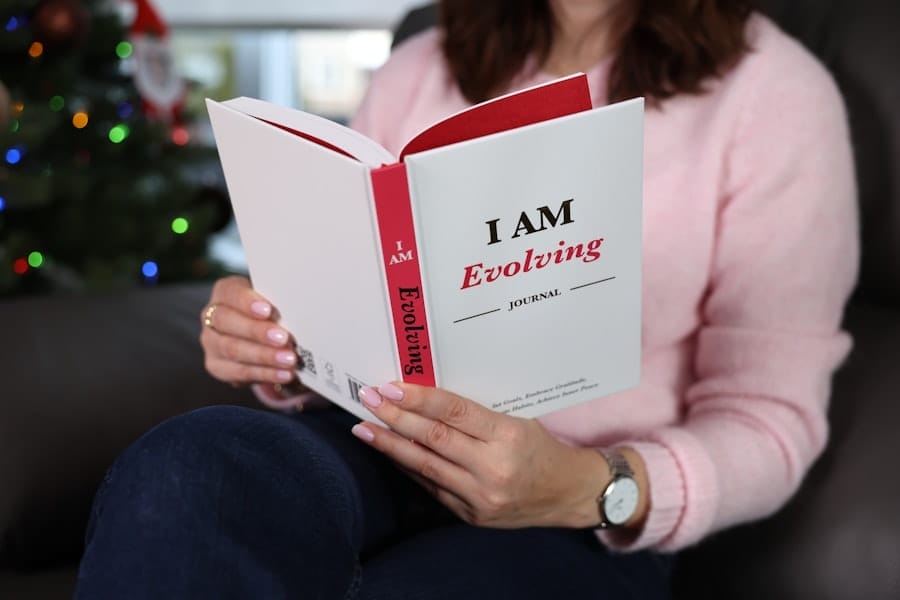
Choosing the right psychology coach is akin to selecting a dance partner; you want someone who complements your style while also challenging you to step outside your comfort zone. Start by considering what specific goals you want to achieve through coaching. Are you looking to enhance your career prospects, improve your relationships, or simply gain a better understanding of yourself? Different coaches have varying areas of expertise, so aligning your needs with their specialties is crucial.
Once you’ve narrowed down your options based on expertise, it’s time to consider the coach’s approach and personality. Some coaches may adopt a more structured methodology, while others might take a more fluid and intuitive approach. It’s essential to find someone whose style resonates with you; after all, you’ll be sharing your innermost thoughts and feelings with them. During initial consultations, pay attention not only to their qualifications but also to how comfortable you feel in their presence. A good rapport can make all the difference in your coaching journey—think of it as finding that perfect pair of jeans that fit just right.
What to Expect from Psychology Coaching Sessions
Entering a psychology coaching session can feel like stepping into an alternate universe where your worries are put on pause for an hour or so. Expect an environment that is both supportive and challenging—a safe space where you can explore your thoughts without judgment while also being pushed to confront uncomfortable truths. Sessions typically begin with check-ins about your week or any pressing issues on your mind. This isn’t just small talk; it’s an opportunity for your coach to gauge where you are emotionally and mentally.
As the session progresses, expect a mix of guided discussions and practical exercises tailored to your goals. Your coach may introduce various techniques—such as visualization exercises or journaling prompts—to help you gain insights into your thought patterns and behaviors. It’s not uncommon for sessions to feel like an emotional rollercoaster; one moment you might be laughing at a humorous anecdote shared by your coach, and the next you could find yourself grappling with deep-seated fears or insecurities. But fear not! This ebb and flow is all part of the process, leading you toward greater self-discovery and empowerment.
The Role of Psychology Coaching in Personal Development
Psychology coaching plays a pivotal role in personal development by acting as both a catalyst and a compass for growth. In today’s fast-paced world, where change is the only constant, having someone in your corner who understands the intricacies of human behavior can be invaluable. Coaches help clients set realistic goals while also encouraging them to dream big—because who doesn’t want to be the next Elon Musk or Oprah Winfrey? By breaking down larger aspirations into manageable steps, coaches empower individuals to take actionable strides toward their desired outcomes.
Furthermore, psychology coaching fosters resilience—a quality that is increasingly essential in our unpredictable lives. Through various techniques such as reframing negative thoughts or practicing gratitude, clients learn how to bounce back from setbacks with grace and determination. This resilience not only enhances personal development but also translates into improved relationships and professional success. After all, when you’re equipped with the tools to navigate life’s challenges, you become less likely to crumble under pressure and more likely to emerge stronger than before.
Psychology Coaching for Mental Health and Well-being
While psychology coaching is often associated with goal-setting and personal development, its impact on mental health and well-being cannot be overstated. In fact, many individuals turn to coaching as a proactive measure to enhance their mental health before issues escalate into more significant concerns. Coaches provide valuable support in managing stress, anxiety, and even mild depression by equipping clients with coping strategies tailored to their unique circumstances.
Moreover, psychology coaching emphasizes holistic well-being—addressing not just mental health but also physical health and emotional balance. Coaches often encourage clients to adopt healthy habits such as regular exercise, mindfulness practices, and balanced nutrition as part of their overall wellness journey. This integrative approach fosters a sense of harmony between mind and body, leading to improved mental clarity and emotional stability. In essence, psychology coaching serves as a preventive measure against mental health challenges while also promoting overall well-being.
Incorporating Psychology Coaching into Your Life
Incorporating psychology coaching into your life doesn’t have to feel like adding another item to your already overflowing plate; rather, it can be an enriching experience that enhances your overall quality of life. Start by setting aside dedicated time for coaching sessions—consider it an investment in yourself that pays dividends in personal growth and fulfillment. Whether it’s weekly or bi-weekly sessions, consistency is key; think of it as nurturing a plant—you wouldn’t expect it to flourish if you only watered it sporadically.
Additionally, consider integrating coaching principles into your daily routine outside of formal sessions.
This could involve journaling about your thoughts and feelings or practicing mindfulness techniques learned during sessions.
By actively engaging with the concepts discussed in coaching, you reinforce your learning and create lasting change in your life. Remember that personal development is not a sprint but rather a marathon; embrace the journey with patience and curiosity as you navigate the twists and turns along the way.
In conclusion, psychology coaching offers a unique blend of support and empowerment for individuals seeking personal growth and enhanced well-being. With its focus on self-awareness, emotional regulation, and resilience-building, it serves as an invaluable resource in today’s fast-paced world. So whether you’re looking for guidance in achieving specific goals or simply seeking greater clarity in your life’s direction, consider embarking on this transformative journey with a psychology coach by your side—because who wouldn’t want a little extra help navigating this wild ride we call life?