

Consciousness, that elusive enigma that has baffled philosophers, scientists, and the occasional barista for centuries, is often described as the state of being aware of and able to think about one’s own existence, thoughts, and surroundings. It’s the internal monologue that narrates our lives, the voice that reminds us to pick up milk on the way home, and the nagging whisper that tells us we really shouldn’t have had that third slice of cake. But what exactly is it? Is it merely a by-product of brain activity, or is it something more profound? The truth is, consciousness is a bit like trying to catch smoke with your bare hands; the more you grasp at it, the more it slips away.
At its core, consciousness can be divided into two main components: the phenomenal and the access consciousness. The phenomenal aspect refers to the subjective experience of being aware—those vivid sensations and feelings that make life so rich and colourful. Access consciousness, on the other hand, is more about the information we can report and use in our decision-making processes. Imagine a theatre: phenomenal consciousness is the dazzling performance on stage, while access consciousness is the audience’s ability to discuss what they’ve just seen over a pint afterwards. This duality raises questions about how these two aspects interact and whether one can exist without the other.
Summary
- Consciousness is a complex and multifaceted aspect of human experience, fundamental to self-awareness.
- Psychological study of consciousness has evolved significantly from early introspection to modern scientific approaches.
- Altered states of consciousness, such as dreams and meditation, offer insights into the mind’s flexibility.
- Neuroscience is uncovering the brain mechanisms underlying conscious experience, linking biology with awareness.
- Future research aims to deepen understanding of consciousness, with implications for mental health and philosophy.
The History of Consciousness in Psychology
The journey of understanding consciousness in psychology is akin to a rollercoaster ride through a funhouse—full of twists, turns, and moments that make you question your sanity. In the early days, consciousness was often viewed through a philosophical lens, with thinkers like Descartes famously declaring, “Cogito, ergo sum” or “I think, therefore I am.” This assertion laid the groundwork for modern psychology by suggesting that self-awareness is fundamental to existence. However, it wasn’t until the late 19th century that psychology began to emerge as a distinct scientific discipline, with figures like Wilhelm Wundt establishing laboratories dedicated to studying consciousness through introspection.
As psychology evolved, so did its approach to consciousness. Behaviourism, which dominated much of the early 20th century, largely dismissed consciousness as an unobservable phenomenon, focusing instead on observable behaviours. This was a bit like trying to understand a symphony by only listening to the sound of a metronome—accurate in its own right but woefully inadequate for capturing the full experience. It wasn’t until cognitive psychology emerged in the 1950s and 60s that researchers began to reintegrate consciousness into their studies, exploring how mental processes influence behaviour. This shift marked a significant turning point in psychology’s relationship with consciousness, paving the way for more nuanced explorations of the mind.
The Role of Consciousness in Human Experience

Consciousness plays a pivotal role in shaping our human experience; it’s the lens through which we perceive reality and navigate our daily lives.
From the mundane to the extraordinary, our conscious awareness allows us to reflect on our thoughts and feelings, make decisions, and engage with others.
It’s what enables us to appreciate a beautiful sunset or feel empathy for a friend in distress. Without consciousness, life would be akin to watching a film on mute—visually stimulating but devoid of emotional depth.
Moreover, consciousness is not just a passive observer; it actively shapes our experiences. Our beliefs, memories, and expectations colour our perceptions and influence how we interpret events. For instance, two people can witness the same incident but come away with entirely different interpretations based on their unique conscious experiences. This subjectivity highlights the complexity of human experience and underscores why understanding consciousness is crucial for comprehending human behaviour. It’s a reminder that we are not merely robots responding to stimuli; we are intricate beings with rich inner lives.
Exploring Altered States of Consciousness
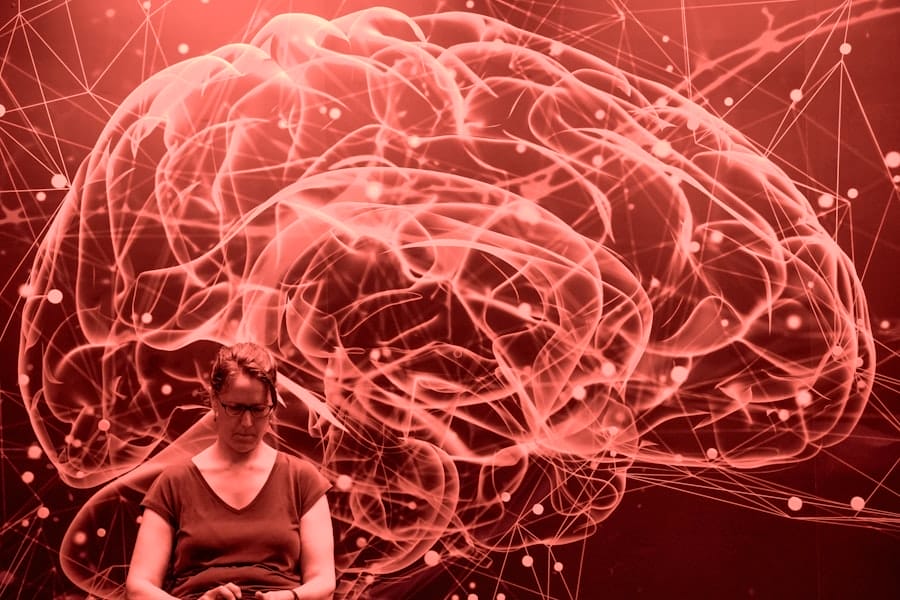
Altered states of consciousness (ASCs) are like those unexpected detours on a road trip—sometimes disorienting but often leading to fascinating discoveries. These states can be induced by various factors, including sleep, meditation, drugs, or even extreme physical exertion. Each ASC offers a unique perspective on consciousness and challenges our conventional understanding of reality. For example, during deep sleep, we may lose awareness of our surroundings entirely, yet our brains remain active, processing information and consolidating memories.
Meditation is another intriguing avenue for exploring ASCs. Practitioners often report experiences of heightened awareness or profound stillness that can lead to transformative insights about themselves and their place in the universe. On the flip side, substances like psychedelics can induce vivid hallucinations and altered perceptions of time and space. While these experiences can be exhilarating or terrifying, they also raise important questions about the nature of reality and how our brains construct it. Are these altered states glimpses into deeper truths about consciousness or mere tricks played by our neurochemistry? The answer remains tantalisingly elusive.
The Neuroscience of Consciousness
As we delve into the neuroscience of consciousness, we find ourselves navigating a labyrinthine landscape filled with neurons firing and synapses snapping like popcorn in a microwave. Neuroscientists have made significant strides in understanding how brain activity correlates with conscious experience. Techniques such as functional magnetic resonance imaging (fMRI) allow researchers to observe which areas of the brain light up during various tasks or experiences. This has led to fascinating insights into how different brain regions contribute to aspects of consciousness.
One prominent theory is the Global Workspace Theory (GWT), which posits that consciousness arises from the integration of information across various brain networks.
Imagine your brain as a bustling theatre where different performers (brain regions) vie for attention on stage (conscious awareness).
Only those performers that capture the audience’s attention (the global workspace) make it into the spotlight of conscious thought. This theory helps explain why certain thoughts or sensations become prominent while others fade into the background noise of our mental chatter. However, despite these advances, many questions remain unanswered: What exactly constitutes conscious experience? How do we bridge the gap between subjective awareness and objective brain activity?
The Philosophical Implications of Consciousness
The exploration of consciousness inevitably leads us down philosophical rabbit holes that can leave even the most seasoned thinkers scratching their heads in bewilderment. One of the most enduring questions is whether consciousness is purely a product of physical processes in the brain or if it exists independently in some ethereal realm. This debate has given rise to various philosophical positions—materialism asserts that everything about consciousness can be explained by physical processes, while dualism posits that mind and body are distinct entities.
Another intriguing philosophical conundrum is the problem of other minds: how can we know that other beings experience consciousness in the same way we do? Just because someone appears to be awake and responsive doesn’t guarantee they share our subjective experiences. This leads us to ponder whether consciousness is an inherently private affair—an intimate dialogue between oneself and one’s thoughts—or if it can be shared and understood across different minds. Such questions challenge our assumptions about empathy and connection in human relationships.
Consciousness and Mental Health
The relationship between consciousness and mental health is a complex tapestry woven from threads of biology, psychology, and social context. Mental health conditions often involve disruptions in conscious experience—whether it’s anxiety clouding one’s ability to focus on the present moment or depression casting a shadow over one’s sense of self-worth. Understanding these disruptions is crucial for developing effective treatments and interventions.
Therapeutic approaches such as mindfulness-based therapies aim to cultivate greater awareness of one’s thoughts and feelings, helping individuals reconnect with their conscious experience in a more positive way. By fostering an attitude of acceptance towards one’s thoughts rather than becoming entangled in them, individuals can learn to navigate their mental health challenges with greater resilience. This highlights how enhancing our understanding of consciousness can lead to practical applications that improve well-being.
The Future of Consciousness Research in Psychology
As we gaze into the crystal ball of consciousness research, it becomes clear that we are only scratching the surface of this profound mystery. Advances in technology are opening new avenues for exploration—think brain-computer interfaces that could one day allow us to communicate directly with machines using only our thoughts! Such developments raise ethical questions about privacy and autonomy but also hold promise for enhancing our understanding of consciousness itself.
Moreover, interdisciplinary collaboration between psychology, neuroscience, philosophy, and even art could yield fresh insights into this age-old enigma. As researchers continue to unravel the complexities of consciousness, we may find ourselves not only better equipped to understand ourselves but also more compassionate towards others as we recognise the shared struggles inherent in human experience. The future of consciousness research is not just about answering questions; it’s about embracing the wonder and mystery that comes with being alive in this extraordinary world.
In conclusion, consciousness remains one of humanity’s most captivating puzzles—a blend of science, philosophy, and personal experience that invites us all to ponder what it means to be truly aware. As we continue this journey into understanding ourselves and each other through the lens of consciousness, let us do so with curiosity and an open heart—after all, life is far too short not to marvel at its complexities!
FAQs
What is consciousness in psychology?
Consciousness in psychology refers to the state of being aware of and able to think about one’s own existence, sensations, thoughts, and surroundings. It encompasses the experience of wakefulness and self-awareness.
How do psychologists study consciousness?
Psychologists study consciousness through various methods including behavioural experiments, brain imaging techniques like fMRI and EEG, and by analysing subjective reports of experiences. These approaches help to understand how conscious awareness arises and functions.
What are the different levels of consciousness?
The different levels of consciousness typically include full consciousness (awake and aware), altered states of consciousness (such as during sleep, hypnosis, or meditation), and unconsciousness (such as in deep sleep or coma). Each level reflects varying degrees of awareness and responsiveness.
What is the role of consciousness in cognitive processes?
Consciousness plays a crucial role in cognitive processes by enabling attention, decision-making, problem-solving, and self-reflection. It allows individuals to process information deliberately and adapt behaviour based on awareness of their environment and internal states.
Can consciousness be altered or controlled?
Yes, consciousness can be altered or controlled through various means such as meditation, hypnosis, psychoactive substances, and certain medical interventions. These methods can change perception, awareness, and cognitive functioning temporarily or, in some cases, more permanently.