
Stress represents a ubiquitous element of contemporary life, manifesting through various triggers including work deadlines, excessive workloads, and daily responsibilities.
In modern society, where physical threats are considerably reduced, this ancient response system can contribute to numerous mental health conditions, including anxiety disorders, depression, and psychological overwhelm.
The psychological effects of stress are both diverse and significant. Stress can impair cognitive function, compromising decision-making abilities and reducing concentration levels. Individuals experiencing stress frequently report mental fatigue and difficulty maintaining focus, often described as cognitive fog.
This condition can substantially impact daily functioning and productivity. Research indicates that chronic stress exposure can lead to structural and functional changes in the brain, potentially resulting in long-term cognitive impairment. Consequently, whilst stress may appear to be a minor inconvenience, it represents a serious health concern that requires appropriate recognition and management.
Summary
- Stress significantly affects mental well-being and requires effective management.
- Relaxation techniques like mindfulness and meditation promote inner peace.
- Breathing exercises are powerful tools for immediate stress relief.
- Regular physical activity helps in reducing stress and improving mood.
- A calming home environment and healthy lifestyle choices support stress management.
The Importance of Relaxation Techniques for Stress Relief
In the battle against stress, relaxation techniques are akin to the secret weapons in our arsenal. They are the soothing balm for our frazzled nerves, offering a respite from the chaos of daily life.
Whether it’s through deep breathing exercises, progressive muscle relaxation, or simply taking a moment to enjoy a cup of tea in silence, these practices allow us to step back from the whirlwind and regain control over our thoughts and emotions. Moreover, relaxation techniques are not just about finding a moment of peace; they are about cultivating resilience. By incorporating these practices into our daily routines, we can build a buffer against the inevitable stresses that life throws our way.
Imagine being able to face that looming deadline with a calm mind instead of a racing heart! It’s not just wishful thinking; it’s entirely achievable with consistent practice. The beauty of relaxation techniques lies in their accessibility; they can be done anywhere, anytime—no yoga mat required.
So whether you’re stuck in traffic or waiting for your coffee to brew, taking a few moments to centre yourself can make all the difference.
Mindfulness and Meditation: A Path to Inner Peace

Mindfulness and meditation have become buzzwords in recent years, often touted as the panacea for all of life’s ills. But what do they really entail? At their essence, mindfulness is about being present in the moment—fully engaging with our thoughts, feelings, and surroundings without judgement.
It’s about noticing the world around us, from the sound of birds chirping outside to the taste of that delightful biscuit you’re nibbling on (because let’s be honest, biscuits make everything better). Meditation takes this concept a step further by providing structured techniques to cultivate mindfulness and achieve a state of inner peace. The benefits of mindfulness and meditation extend far beyond mere relaxation; they can fundamentally alter our relationship with stress.
Research has shown that regular practice can reduce anxiety levels, improve focus, and even enhance emotional regulation. Picture this: instead of spiralling into panic at the thought of an impending deadline, you pause, take a deep breath, and approach the task with clarity and purpose. It sounds almost too good to be true, doesn’t it?
Yet countless individuals have experienced this transformation firsthand. By dedicating just a few minutes each day to mindfulness or meditation, we can create a sanctuary within ourselves—a place where stress cannot intrude.
The Power of Breathing Exercises for Relaxation
Breathing exercises may sound deceptively simple—after all, we do it all day long without even thinking about it—but harnessing the power of our breath can be a game-changer in managing stress. When we’re stressed, our breathing tends to become shallow and rapid, which only exacerbates feelings of anxiety. By consciously slowing down our breath and focusing on deep inhalations and exhalations, we can activate the body’s relaxation response and signal to our minds that it’s time to calm down.
There are various techniques to explore when it comes to breathing exercises. One popular method is the 4-7-8 technique: inhale for four counts, hold for seven counts, and exhale for eight counts. It’s like giving your lungs a mini workout while simultaneously sending your stress packing.
Not only does this practice help reduce tension in the moment, but it also trains us to respond more calmly to stressors in the future. So next time you find yourself on the brink of a meltdown—perhaps after receiving yet another email from your boss—take a moment to breathe deeply. You might just find that you emerge from the experience feeling more centred and less like a tightly wound spring ready to snap.
The Role of Physical Activity in Stress Management
When it comes to managing stress, physical activity is often hailed as one of the most effective remedies available. Exercise releases endorphins—the body’s natural mood lifters—creating a sense of euphoria often referred to as the “runner’s high.” But let’s be honest: not everyone is keen on running marathons or sweating it out at the gym. The good news is that physical activity doesn’t have to be intense or structured; even a brisk walk around the block can work wonders for your mental state.
Engaging in regular physical activity not only helps alleviate stress but also promotes better sleep and boosts self-esteem—two factors that are crucial for maintaining mental well-being. Whether you prefer dancing like nobody’s watching in your living room or taking up gardening (yes, digging in dirt counts as exercise), finding an activity you enjoy is key. The goal is not just to burn calories but to create moments of joy and connection with your body.
So put on those trainers (or wellies) and get moving; your mind will thank you for it!
The Benefits of Aromatherapy and Essential Oils for Relaxation

Aromatherapy has been used for centuries as a means of promoting relaxation and well-being. The simple act of inhaling pleasant scents can have profound effects on our mood and stress levels. Essential oils derived from plants contain compounds that can influence our emotions and physiological responses—lavender for calming effects, peppermint for invigoration, and citrus scents for uplifting spirits.
It’s like having nature’s own little pharmacy at your fingertips! Incorporating aromatherapy into your daily routine can be as easy as adding a few drops of essential oil to your bath or using an oil diffuser while you work from home (because who doesn’t want their workspace to smell like a spa?). The ritual of using these scents can also serve as a reminder to take a moment for yourself amidst life’s chaos.
So whether you’re feeling frazzled after a long day or simply want to create a serene atmosphere at home, consider reaching for those essential oils—they might just be the aromatic hug you didn’t know you needed.
The Impact of Healthy Eating on Stress Levels
It’s no secret that what we eat affects how we feel; after all, you wouldn’t fuel a Ferrari with cheap petrol! Similarly, nourishing our bodies with wholesome foods can have a significant impact on our stress levels. A diet rich in fruits, vegetables, whole grains, and lean proteins provides essential nutrients that support brain health and emotional well-being.
Conversely, indulging in processed foods high in sugar and unhealthy fats may offer temporary comfort but ultimately leads to energy crashes and mood swings—like riding an emotional rollercoaster without any safety harness. Moreover, certain foods have been shown to have specific stress-reducing properties. For instance, omega-3 fatty acids found in fish have been linked to lower levels of anxiety and depression.
Dark chocolate (yes, you read that right) contains compounds that can boost serotonin levels—the feel-good hormone—making it an excellent choice for those stressful days when you need a little pick-me-up. So next time you’re feeling overwhelmed, consider reaching for a healthy snack instead of that bag of crisps; your body (and mind) will thank you for it.
Creating a Relaxing Environment at Home for Stress Relief
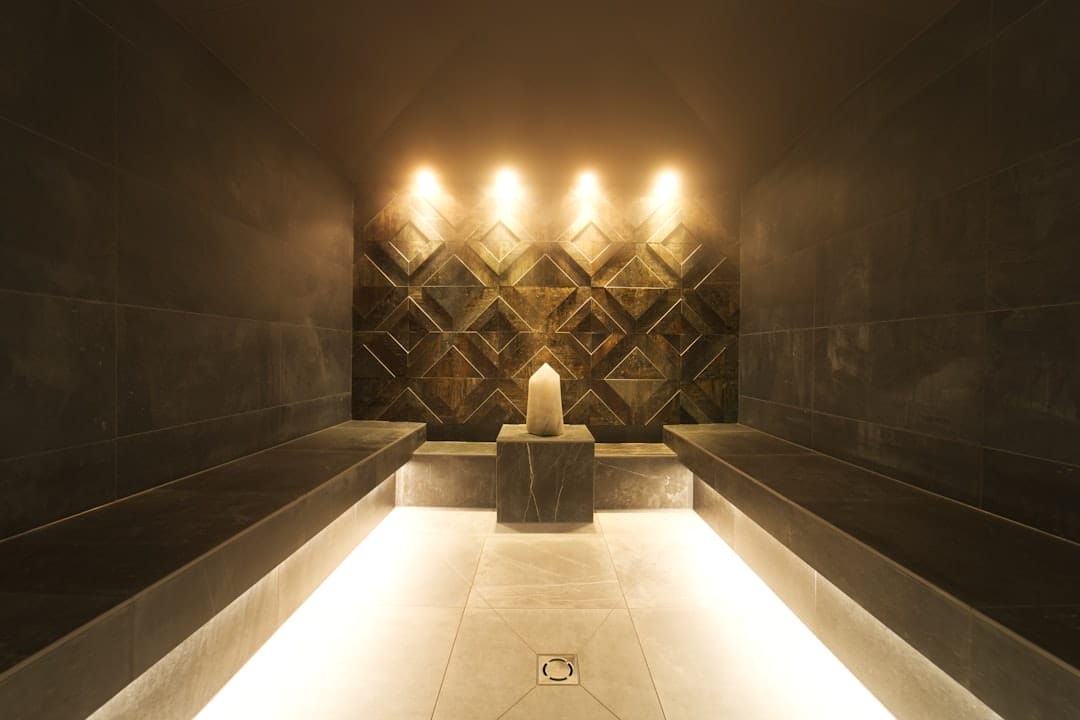
Finally, let’s talk about creating an environment conducive to relaxation—a sanctuary where stress cannot intrude. Our surroundings play a significant role in shaping our mental state; cluttered spaces often lead to cluttered minds. Taking time to declutter and organise your living space can work wonders for your overall sense of calm.
Consider incorporating elements that promote tranquillity: soft lighting, soothing colours, and comfortable furnishings all contribute to an atmosphere where relaxation can flourish. Additionally, personal touches such as plants or artwork that brings you joy can enhance your space further. The goal is to create an oasis where you can retreat after a long day—a place where you can unwind with a good book or simply enjoy some quiet time with your thoughts.
Remember that relaxation is not merely an absence of stress; it’s an active pursuit of peace and contentment within ourselves and our environments. So go ahead—transform your home into your personal haven; after all, if you’re going to escape from reality, you might as well do it in style!
FAQs
What is stress therapy?
Stress therapy refers to a range of treatments and techniques designed to help individuals manage and reduce stress. It can include psychological counselling, relaxation methods, lifestyle changes, and sometimes medication, all aimed at improving mental and physical well-being.
What are common methods used in stress therapy?
Common methods include cognitive behavioural therapy (CBT), mindfulness meditation, breathing exercises, progressive muscle relaxation, and biofeedback. Some people also benefit from physical activities like yoga or tai chi as part of their stress management.
Who can benefit from stress therapy?
Anyone experiencing significant stress that affects their daily life, work, or relationships may benefit from stress therapy. It is particularly helpful for those dealing with chronic stress, anxiety, depression, or stress-related physical symptoms.
How long does stress therapy usually take?
The duration of stress therapy varies depending on the individual’s needs and the severity of their stress. Some may see improvement after a few sessions, while others might require ongoing therapy over several months.
Is stress therapy covered by the NHS?
In the UK, some forms of stress therapy, such as counselling or CBT, may be available through the NHS, often via a referral from a GP. However, waiting times can vary, and private therapy is also an option.
Can stress therapy prevent physical health problems?
While stress therapy primarily targets mental health, reducing stress can also help prevent or alleviate physical health issues linked to stress, such as high blood pressure, headaches, and digestive problems.
Are there any risks associated with stress therapy?
Stress therapy is generally safe. However, some individuals might initially feel uncomfortable discussing personal issues. It is important to work with a qualified therapist to ensure appropriate support and guidance.
How can I find a qualified stress therapist?
You can find qualified stress therapists through professional bodies such as the British Association for Counselling and Psychotherapy (BACP) or the UK Council for Psychotherapy (UKCP). Your GP can also provide recommendations.