
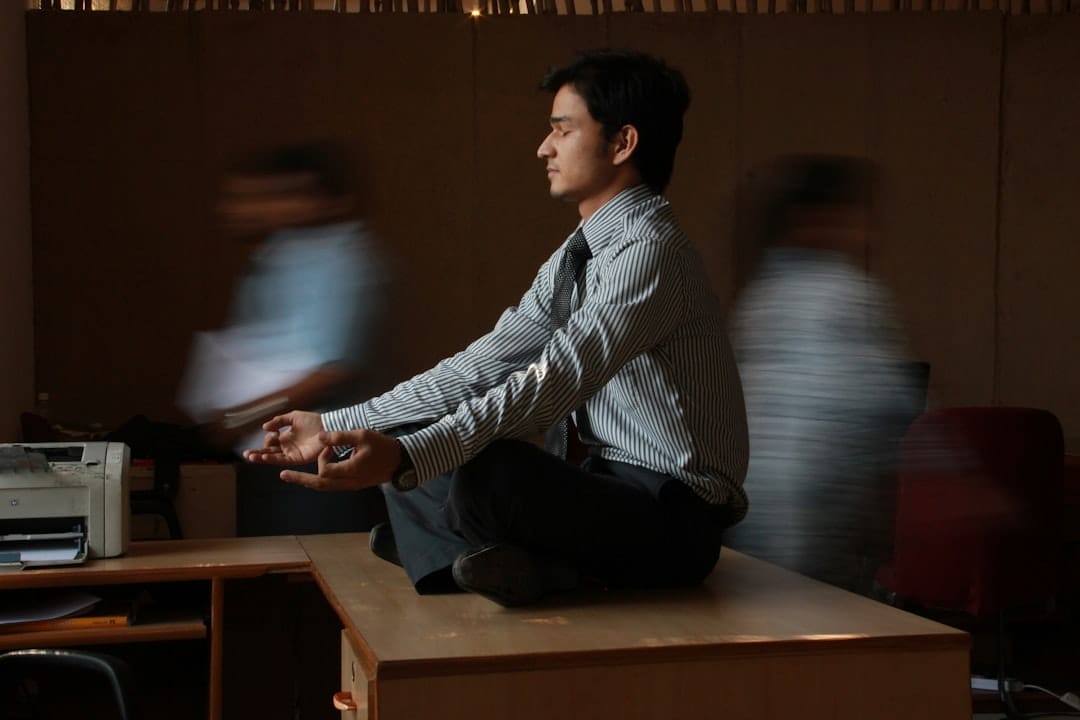
Within educational institutions, student counsellors play a crucial and often underappreciated role.
Student counsellors bridge the gap between academic achievement and emotional well-being, particularly important given the increasing academic pressures and complex social dynamics that young people face today.
Student counsellors create supportive environments where students feel secure discussing their concerns and goals. They provide assistance to those dealing with academic stress, peer pressure, family difficulties, and other challenges associated with growing up. Through guidance and support, these professionals help students develop resilience and practical coping strategies that extend beyond their school years.
Summary
- Student counselors play a vital role in supporting students‘ emotional and academic well-being within educational institutions.
- They provide essential emotional support, helping students navigate personal and social challenges.
- Academic guidance and career counseling are key functions, assisting students in making informed decisions about their futures.
- Maintaining confidentiality and building trust are fundamental to effective student counseling.
- Collaboration with teachers and parents enhances the support system, while addressing mental health and special educational needs remains a critical focus.
The Role of Student Counselors in Providing Emotional Support
Emotional support is perhaps the most visible aspect of a student counselor’s role, and it is here that their impact can be profoundly felt. Imagine a student sitting alone at lunch, their mind swirling with anxiety about exams, friendships, or family expectations. Enter the student counselor, armed not with a magic wand but with empathy, understanding, and a listening ear.
This simple act of being present can transform a student’s day, providing them with the reassurance that they are not alone in their struggles. Counselors employ various techniques to help students articulate their feelings and navigate their emotional landscapes. Whether through one-on-one sessions or group workshops, they create safe spaces where students can explore their thoughts without fear of judgment.
This emotional support is crucial in helping students develop self-awareness and emotional regulation skills. In a society that often prioritises academic performance over mental health, student counselors remind us that emotional well-being is not just an add-on; it is foundational to success in all areas of life.
Academic Guidance and Career Counseling: The Student Counselor’s Role

While emotional support is vital, student counselors also play a significant role in academic guidance and career counselling. As students grapple with choices about subjects, exams, and future careers, the pressure can be overwhelming. Here, the counselor steps in as a knowledgeable guide, helping students navigate the labyrinth of academic requirements and career options.
They assist in identifying strengths and interests, ensuring that students make informed decisions that align with their aspirations. Moreover, career counselling has evolved into a multifaceted process that goes beyond simply handing out brochures about university courses or vocational training. Today’s student counselors are equipped to discuss emerging job markets, skills needed for future careers, and even the importance of networking—yes, even for teenagers who might still think “networking” is something you do with your Wi-Fi connection.
By providing tailored advice and resources, student counselors empower students to envision their futures with clarity and confidence.
The Importance of Confidentiality and Trust in Student Counseling
Confidentiality is the bedrock upon which effective student counseling is built. Students must feel secure in the knowledge that their conversations with counselors will remain private; otherwise, they may hesitate to share their innermost thoughts and fears. This trust is not easily earned; it requires consistent professionalism and an unwavering commitment to ethical standards.
When students know they can speak freely without fear of repercussions, they are more likely to engage fully in the counseling process. The delicate balance between confidentiality and the need to inform parents or teachers about serious issues can be a tightrope walk for counselors. They must navigate this landscape with care, ensuring that students feel supported while also safeguarding their well-being.
This nuanced approach fosters an environment where students can explore sensitive topics—be it mental health struggles or family dynamics—without feeling exposed or vulnerable. In this way, confidentiality becomes not just a policy but a powerful tool for building trust and rapport.
The Role of Student Counselors in Addressing Mental Health Issues
In recent years, mental health has emerged from the shadows into the spotlight, and rightly so. The role of student counselors in addressing mental health issues has never been more critical. With rising rates of anxiety, depression, and other mental health challenges among young people, these professionals are on the front lines, providing essential support to those in need.
They are trained to recognise signs of distress and intervene appropriately, whether through direct counselling or by referring students to specialised services. Counselors also play an educational role in promoting mental health awareness within schools. By organising workshops and seminars on topics such as stress management and mindfulness, they equip students with tools to cope with life’s challenges proactively.
This preventative approach not only helps individual students but also fosters a culture of openness around mental health issues within the school community. In doing so, student counselors contribute to breaking down stigma and encouraging students to seek help when they need it most.
Supporting Students with Special Educational Needs: The Student Counselor’s Role

The landscape of education is diverse, encompassing students with varying abilities and needs. Student counselors play a crucial role in supporting those with special educational needs (SEN), ensuring that every student has access to the resources they require to succeed. This involves working closely with teachers to develop Individual Education Plans (IEPs) tailored to each student’s unique challenges and strengths.
By advocating for these students within the school system, counselors help create an inclusive environment where everyone can thrive. Moreover, student counselors often serve as liaisons between families and educational institutions. They provide guidance to parents navigating the complexities of special education services while also offering emotional support to students who may feel isolated or misunderstood.
This holistic approach ensures that students with SEN receive not only academic assistance but also the emotional backing necessary for their overall development. In this way, student counselors champion inclusivity and equity within educational settings.
Collaborating with Teachers and Parents: The Student Counselor’s Role
Collaboration is key in any educational setting, and student counselors are adept at fostering partnerships between teachers, parents, and students. They act as mediators who facilitate communication among all parties involved in a student’s education. By working closely with teachers, counselors can provide insights into a student’s emotional state or behavioural challenges that may affect their learning experience.
This collaborative approach ensures that teachers are better equipped to support their students academically while being mindful of their emotional needs. Engaging parents in this process is equally important. Student counselors often organise workshops or informational sessions aimed at educating parents about adolescent development and mental health issues.
By empowering parents with knowledge and resources, counselors help create a supportive home environment that complements the work being done at school. This synergy between home and school is vital for fostering student success; after all, it takes a village—or at least a well-coordinated team—to raise a child.
The Future of Student Counseling: Challenges and Opportunities
As we look towards the future of student counseling, it is clear that both challenges and opportunities lie ahead. The increasing prevalence of mental health issues among young people presents an urgent need for more resources and trained professionals in schools. However, this challenge also opens doors for innovation in how counseling services are delivered—think teletherapy sessions or digital mental health resources that can reach students beyond school hours.
Moreover, as societal attitudes towards mental health continue to evolve positively, there is an opportunity for student counseling to become more integrated into the educational experience rather than viewed as an ancillary service. Schools may begin to prioritise mental health initiatives alongside academic performance metrics, recognising that emotional well-being is integral to overall success. In this brave new world of education, student counselors will undoubtedly play a pivotal role in shaping resilient individuals who are not only academically proficient but also emotionally intelligent.
In conclusion, student counselors are indispensable assets within educational institutions. Their multifaceted roles encompass providing emotional support, academic guidance, addressing mental health issues, supporting special educational needs, and fostering collaboration among teachers and parents. As we navigate an increasingly complex world, the importance of these professionals cannot be overstated; they are not just guiding students through school but preparing them for life beyond its walls.
With challenges ahead come opportunities for growth and innovation—an exciting prospect for both student counselors and the students they serve.
FAQs
What is a student counsellor?
A student counsellor is a professional who provides emotional, psychological, and academic support to students. They help students manage personal issues, mental health concerns, and educational challenges to promote overall well-being and academic success.
What qualifications does a student counsellor need?
Typically, a student counsellor holds a degree in psychology, counselling, social work, or a related field. Many also have specialised training or certification in counselling techniques and experience working with young people or in educational settings.
What services do student counsellors offer?
Student counsellors offer a range of services including one-on-one counselling, group therapy, crisis intervention, academic guidance, stress management strategies, and referrals to external mental health services if necessary.
Who can access student counselling services?
Student counselling services are generally available to all enrolled students at educational institutions, including schools, colleges, and universities. Some institutions may also offer support to prospective students or alumni.
Is student counselling confidential?
Yes, student counselling is confidential. Counsellors adhere to strict confidentiality policies, only sharing information with others if there is a risk of harm to the student or others, or if required by law.
How can a student make an appointment with a counsellor?
Students can usually make an appointment by contacting the counselling centre directly via phone, email, or through an online booking system provided by their institution.
What issues can student counsellors help with?
Student counsellors can assist with a variety of issues including anxiety, depression, stress, relationship problems, academic pressure, grief, self-esteem, and adjustment to university life.
Are student counselling services free?
In many educational institutions in the UK, student counselling services are provided free of charge. However, this can vary depending on the institution and the level of service required.
How long do counselling sessions typically last?
Counselling sessions usually last between 30 to 60 minutes. The number of sessions depends on the student’s needs and the counselling service’s policies.
Can student counselling be done online?
Yes, many institutions offer online or telephone counselling sessions, especially to accommodate students who cannot attend in person or during times of remote learning.