
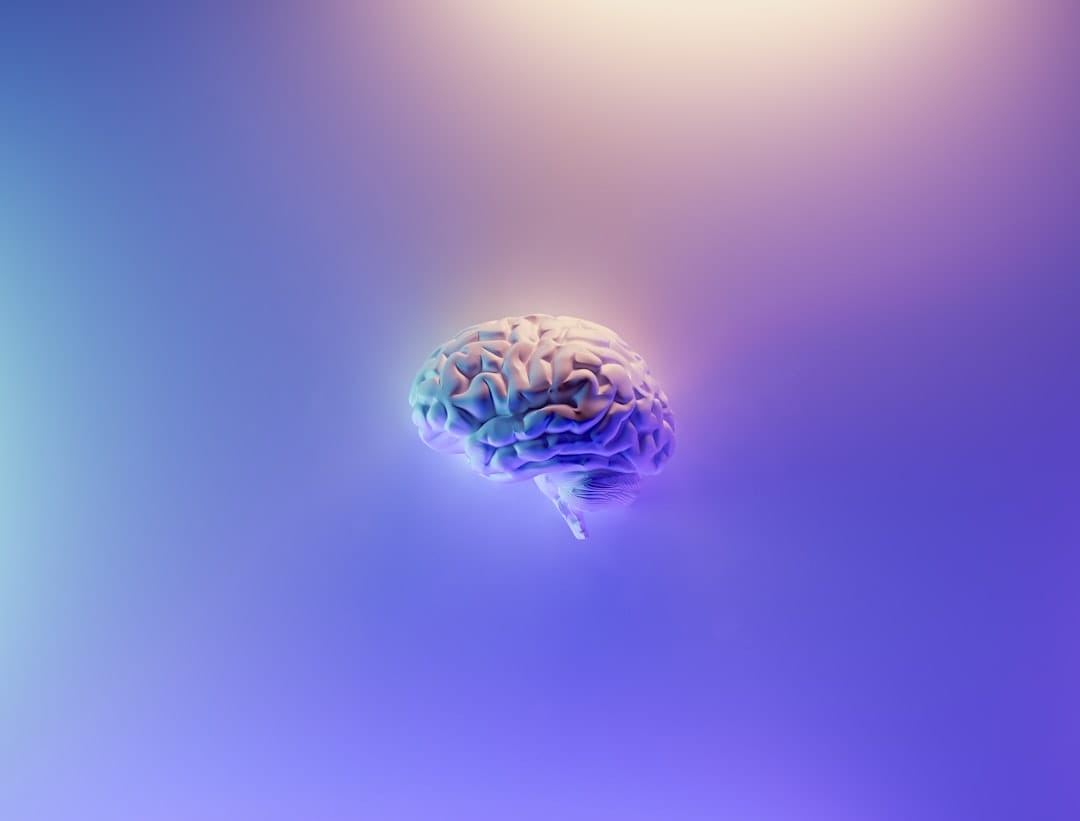
The history of psychology and neuroscience is a tale as old as time—or at least as old as the ancient Greeks, who were the original thinkers, philosophers, and amateur psychologists. Back in the day, they were busy pondering the nature of the mind while simultaneously trying to figure out how to make a decent olive oil. Fast forward a few centuries, and we find ourselves in the 19th century, where psychology began to emerge as a distinct scientific discipline. Wilhelm Wundt, often dubbed the father of experimental psychology, opened the first psychological laboratory in Leipzig in 1879. This was a pivotal moment, akin to the invention of sliced bread, but with more introspection and fewer carbs.
Meanwhile, neuroscience was lurking in the shadows, waiting for its moment to shine. The term „neuroscience“ itself didn’t even exist until the 20th century, but the study of the nervous system has roots that stretch back to ancient Egypt, where they believed the heart was the seat of intelligence. It wasn’t until the advent of advanced imaging techniques and a deeper understanding of neuroanatomy that neuroscience began to flourish. The two fields have been on a collision course ever since, with psychology often borrowing insights from neuroscience to better understand human behaviour. It’s a bit like a dance—sometimes they lead, sometimes they follow, but they’re always moving together in a somewhat awkward yet fascinating rhythm.
Summary
- Psychology and neuroscience have evolved together, shaping our understanding of the mind and brain.
- Neuroscience provides crucial insights into the biological basis of psychological disorders.
- Psychological research informs and guides advancements in neuroscience methodologies.
- Integrating neuroscience into psychological interventions enhances treatment effectiveness.
- Ethical collaboration is essential for responsible progress in interdisciplinary research.
The Relationship Between Psychology and Neuroscience
The relationship between psychology and neuroscience is akin to that of a couple who have been together for so long that they can finish each other’s sentences—sometimes with alarming accuracy. Psychology focuses on understanding behaviour and mental processes, while neuroscience delves into the biological underpinnings of those processes. Together, they form a dynamic duo that can unravel the complexities of the human experience. Imagine Sherlock Holmes and Dr Watson, but instead of solving crimes, they’re deciphering why you can’t stop binge-watching reality TV.
This partnership has led to significant advancements in our understanding of how the brain influences behaviour. For instance, cognitive psychology has benefited immensely from neuroscientific discoveries about memory and learning. Techniques such as functional magnetic resonance imaging (fMRI) have allowed researchers to observe brain activity in real-time, providing insights into how different regions of the brain contribute to various psychological functions. This synergy has not only enriched both fields but has also given rise to new sub-disciplines like neuropsychology, which sits comfortably at the intersection of these two realms.
The Role of Neuroscience in Understanding Psychological Disorders

Neuroscience plays a crucial role in demystifying psychological disorders, transforming them from mere labels into complex conditions rooted in biology. Gone are the days when mental health issues were attributed solely to character flaws or moral failings—thank goodness! Today, we know that disorders such as depression, anxiety, and schizophrenia have intricate neurobiological components. For instance, research has shown that imbalances in neurotransmitters like serotonin and dopamine can significantly impact mood and behaviour. It’s as if our brains are little chemical factories, and when something goes awry on the production line, chaos ensues.
Moreover, neuroscience has provided valuable insights into the structural and functional abnormalities associated with various psychological disorders. Brain imaging studies have revealed differences in brain structure and activity patterns among individuals with mental health conditions compared to those without. This knowledge not only helps clinicians diagnose disorders more accurately but also paves the way for targeted interventions. Understanding that a person’s struggles may stem from tangible brain changes rather than personal shortcomings can be incredibly empowering—like discovering that your inability to remember where you left your keys is not just a sign of age but rather a brain quirk.
The Impact of Psychological Research on Neuroscience

While neuroscience has certainly made strides in understanding psychological phenomena, it would be remiss not to acknowledge the reciprocal influence of psychological research on neuroscience. Psychological theories and findings often guide neuroscientific inquiries, shaping hypotheses about brain function and behaviour. For example, cognitive theories about attention and perception have inspired neuroscientists to explore how specific neural circuits are involved in these processes. It’s a bit like a game of intellectual ping-pong—each discipline serves up ideas that the other can smash back with newfound insights.
Furthermore, psychological research has illuminated the importance of context and environment in shaping behaviour, prompting neuroscientists to consider how external factors influence brain function. This holistic approach is essential for understanding complex behaviours that cannot be reduced to mere biology. For instance, studies on social psychology have shown how group dynamics can affect individual decision-making processes, leading neuroscientists to investigate how social interactions might alter neural pathways. In this way, psychological research acts as a compass for neuroscientific exploration, ensuring that researchers remain grounded in real-world applications.
The Use of Neuroscience in Psychological Interventions
Neuroscience has revolutionised psychological interventions by providing evidence-based approaches that are tailored to individual needs. Gone are the days when therapy consisted solely of sitting on a couch and recounting childhood traumas—though that still happens occasionally! Today’s therapeutic landscape is enriched by neuroscientific insights that inform practices such as cognitive-behavioural therapy (CBT) and mindfulness-based interventions. These approaches are not just based on anecdotal evidence; they are grounded in rigorous research that demonstrates their efficacy in altering brain function and improving mental health outcomes.
For instance, neurofeedback—a technique that allows individuals to gain awareness and control over their brain activity—has emerged as an innovative intervention for various psychological disorders. By providing real-time feedback on brain activity, individuals can learn to regulate their emotions and behaviours more effectively. This is akin to having a personal trainer for your brain—who wouldn’t want that? As neuroscience continues to unveil the intricacies of brain function, we can expect even more sophisticated interventions that harness this knowledge to promote mental well-being.
The Future of Interdisciplinary Research in Psychology and Neuroscience
The future of interdisciplinary research in psychology and neuroscience looks brighter than a disco ball at a 1970s party. As technology advances and our understanding of both fields deepens, we can anticipate an explosion of collaborative efforts aimed at tackling some of humanity’s most pressing challenges. From understanding the neurobiological basis of addiction to exploring how social media impacts mental health, the potential for groundbreaking discoveries is limitless.
Moreover, interdisciplinary research fosters innovation by encouraging diverse perspectives and methodologies. Psychologists bring their expertise in behaviour and cognition, while neuroscientists contribute their knowledge of brain structure and function. Together, they can develop comprehensive models that account for both biological and psychological factors—essentially creating a more complete picture of human experience. As we move forward into an increasingly complex world, this collaborative spirit will be vital for addressing issues such as mental health stigma and access to care.
Ethical Considerations in the Intersection of Psychology and Neuroscience
As with any burgeoning field, the intersection of psychology and neuroscience raises important ethical considerations that cannot be ignored. With great power comes great responsibility—or so they say! As researchers delve deeper into the workings of the human mind and brain, questions about consent, privacy, and potential misuse of findings become paramount. For instance, advancements in neuroimaging techniques could lead to situations where individuals’ brain data is used without their consent or understanding—a scenario that would make even George Orwell raise an eyebrow.
Additionally, there is a risk that neuroscientific findings could be oversimplified or misinterpreted in popular discourse. The notion that “it’s all in your brain” can inadvertently downplay the significance of environmental factors and personal agency in shaping behaviour. It’s crucial for researchers to communicate their findings responsibly and ensure that they do not contribute to harmful stereotypes or misconceptions about mental health conditions. As we navigate this brave new world of psychological neuroscience, ethical considerations must remain at the forefront of our discussions.
The Importance of Collaboration in Advancing Knowledge in Psychology and Neuroscience
Collaboration is the secret sauce that will propel psychology and neuroscience into new realms of understanding—like adding chocolate chips to cookie dough! By working together, researchers from both fields can pool their expertise and resources to tackle complex questions that neither discipline could address alone. This collaborative spirit fosters creativity and innovation while also ensuring that research findings are robust and applicable across various contexts.
Moreover, interdisciplinary collaboration can help bridge gaps between theory and practice. Psychologists can inform neuroscientists about real-world behaviours that need investigation, while neuroscientists can provide psychologists with insights into the biological mechanisms underlying those behaviours.
This synergy not only enhances our understanding of human experience but also leads to more effective interventions for mental health issues.
In an era where mental health challenges are increasingly prevalent, collaboration between psychology and neuroscience is not just beneficial—it’s essential for advancing knowledge and improving lives.
In conclusion, the intertwined histories of psychology and neuroscience have paved the way for a rich tapestry of knowledge that continues to evolve. As these fields collaborate more closely than ever before, we stand on the brink of exciting discoveries that promise to deepen our understanding of ourselves—our minds, our brains, and everything in between. So let us raise a toast (preferably with something non-alcoholic for clarity’s sake) to this dynamic duo! Here’s hoping they continue their dance well into the future!
FAQs
What is the relationship between psychology and neuroscience?
Psychology is the scientific study of behaviour and mental processes, while neuroscience focuses on the structure and function of the nervous system, particularly the brain. The two fields are closely related, as neuroscience provides biological insights that help explain psychological phenomena.
How do neuroscientists study the brain?
Neuroscientists use various techniques such as brain imaging (e.g., MRI, fMRI, PET scans), electrophysiology, and molecular biology to study brain activity, structure, and function. These methods allow researchers to observe how different brain areas contribute to behaviour and cognition.
What role does psychology play in understanding mental health?
Psychology helps identify, diagnose, and treat mental health disorders by studying behaviour, emotions, and cognitive processes. It also develops therapeutic approaches, such as cognitive-behavioural therapy, which are informed by neuroscientific findings about brain function.
Can neuroscience explain human behaviour completely?
While neuroscience provides valuable insights into the biological basis of behaviour, it does not fully explain all aspects of human behaviour. Psychological, social, and environmental factors also play crucial roles, making behaviour a complex interplay of multiple influences.
What are some common applications of psychology and neuroscience?
Applications include improving mental health treatments, enhancing learning and memory, developing brain-computer interfaces, understanding neurological disorders, and informing public policy on issues like addiction and education. Both fields contribute to advances in medicine, technology, and social sciences.