
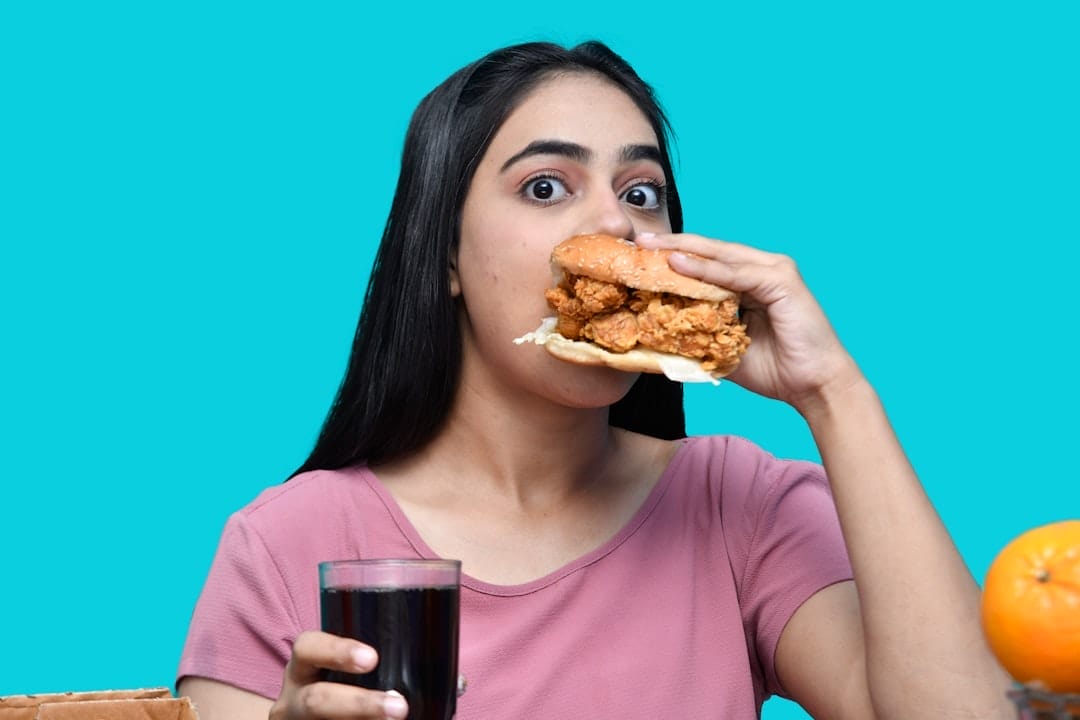
Food psychology is a fascinating field that delves into the intricate relationship between our minds and our eating habits. It’s a realm where the delectable meets the psychological, and where the simple act of munching on a biscuit can reveal a treasure trove of insights about our behaviours, emotions, and even our identities. Imagine, if you will, a world where your choice of breakfast cereal could be a window into your soul. Are you a Frosties person, or do you lean towards the more sophisticated muesli? Each choice tells a story, and food psychology seeks to decode these narratives.
At its core, food psychology examines how our thoughts, feelings, and social contexts influence what we eat. It’s not just about hunger; it’s about the myriad of factors that lead us to reach for that second slice of cake or opt for a salad instead of chips. From the tantalising aroma wafting from the kitchen to the guilt that follows a late-night binge, food psychology encompasses a broad spectrum of human experience. As we embark on this culinary journey through the mind, we’ll uncover how marketing, emotions, culture, and even our own psychological quirks shape our relationship with food.
Summary
- Food psychology explores the complex relationship between food and the human mind, including the influence of emotions, culture, and marketing on food choices.
- Marketing and advertising play a significant role in shaping food preferences and consumption habits, often leading to unhealthy eating behaviours.
- Emotions, such as stress, boredom, and happiness, can greatly impact eating behaviour, leading to emotional eating and overeating.
- Social and cultural factors, such as family traditions and peer influence, can significantly influence food preferences and eating habits.
- Food addiction and overeating are psychological issues that can be influenced by biological, psychological, and social factors, leading to negative impacts on physical and mental health.
The Influence of Marketing and Advertising on Food Choices
Ah, marketing—the art of persuasion that can turn a humble potato into a must-have luxury item. The food industry is a veritable playground for marketers who wield their tools with the finesse of a magician pulling rabbits out of hats. With clever slogans, eye-catching packaging, and the occasional celebrity endorsement, they create an irresistible allure around products that may not be as wholesome as they appear. Ever noticed how those glossy ads for sugary cereals feature cartoon mascots frolicking in fields of happiness? It’s all part of the grand illusion designed to make you believe that eating a bowl of sugar-coated goodness will somehow elevate your morning routine to a level of bliss previously reserved for unicorns and rainbows.
But it’s not just about the visuals; it’s about the psychology behind them. Marketers tap into our desires and fears, crafting narratives that resonate with our innermost cravings. They know that we’re not just buying food; we’re buying experiences, identities, and sometimes even self-worth. The result? A shopping cart filled with items that reflect not just our hunger but also our aspirations. The next time you find yourself reaching for that overpriced organic quinoa, consider whether it’s truly your taste buds at play or if it’s the siren call of marketing whispering sweet nothings into your ear.
The Role of Emotions in Eating Behaviour

If food had feelings, it would probably need therapy. Our emotional states have a profound impact on what we eat and how much we consume. Picture this: you’ve had a long day at work, and all you want is a comforting bowl of pasta. It’s not just about sustenance; it’s about seeking solace in carbs. This phenomenon, often referred to as emotional eating, highlights how we turn to food as a coping mechanism during times of stress, sadness, or even joy. Who hasn’t celebrated a promotion with cake or drowned their sorrows in ice cream after a breakup? Food becomes intertwined with our emotional landscape, serving as both a balm and a trigger.
However, this relationship can be a double-edged sword. While indulging in comfort food can provide temporary relief, it can also lead to patterns of overeating and guilt. The cycle of emotional eating can create a complex web where food becomes both friend and foe. Understanding this dynamic is crucial for anyone looking to cultivate a healthier relationship with food. By recognising the emotions that drive our eating behaviours, we can begin to untangle the threads of comfort and guilt that often accompany our meals.
The Impact of Social and Cultural Factors on Food Preferences

Food is not consumed in isolation; it is deeply embedded in social and cultural contexts that shape our preferences and choices. From family traditions to cultural rituals, the foods we eat often reflect our backgrounds and identities. Think about it: what’s your go-to dish when you’re feeling nostalgic? For many, it’s likely tied to family gatherings or cultural celebrations—those moments when food transcends mere sustenance and becomes a vessel for memories and connections.
Moreover, social influences play a significant role in shaping our eating habits. Peer pressure can extend beyond the teenage years; adults too can find themselves swayed by social norms surrounding food. Whether it’s the latest health trend or the newest Instagrammable brunch spot, our choices are often influenced by what’s deemed acceptable or desirable within our social circles. This interplay between culture, community, and individual preference creates a rich tapestry of eating behaviours that varies widely across different societies.
The Psychology of Food Addiction and Overeating
Food addiction is a term that has gained traction in recent years, drawing parallels between substance abuse and compulsive eating behaviours. For some individuals, certain foods—particularly those high in sugar and fat—can trigger cravings akin to those experienced by drug addicts. The brain’s reward system lights up in response to these foods, creating a cycle of pleasure and desire that can be difficult to break. It’s as if your brain is throwing a party every time you indulge in chocolate cake, while simultaneously ignoring the RSVP for moderation.
Overeating can stem from various psychological factors, including stress, boredom, or even habit. The act of consuming large quantities of food can provide temporary relief from negative emotions but often leads to feelings of shame and regret afterward. This vicious cycle can be challenging to escape, as individuals grapple with both the physical and emotional ramifications of their eating behaviours. Understanding the psychology behind food addiction is essential for developing effective strategies to combat it and foster healthier habits.
The Connection Between Mindful Eating and Psychological Well-being
In an age where multitasking has become the norm—even at mealtimes—mindful eating emerges as a refreshing antidote to our chaotic relationship with food. Mindful eating encourages individuals to slow down and savour each bite, paying attention to the flavours, textures, and sensations that accompany their meals.
This practice not only enhances the eating experience but also fosters a deeper connection between mind and body.
Research suggests that mindful eating can lead to improved psychological well-being by promoting awareness of hunger cues and reducing emotional eating tendencies. By cultivating mindfulness around food choices, individuals can develop a more balanced approach to eating—one that prioritises nourishment over mindless consumption. It’s about tuning into your body’s signals rather than succumbing to external pressures or emotional triggers. In essence, mindful eating transforms meals from mere obligations into opportunities for self-care and reflection.
Strategies for Overcoming Unhealthy Eating Habits
Breaking free from unhealthy eating habits requires more than just willpower; it demands a strategic approach rooted in self-awareness and understanding. One effective strategy is to keep a food diary—a simple yet powerful tool that encourages individuals to track their eating patterns and identify triggers for unhealthy choices. By documenting what you eat and how you feel at each meal, you can gain valuable insights into your relationship with food.
Another approach involves setting realistic goals that focus on gradual changes rather than drastic overhauls. Instead of vowing to eliminate all junk food from your diet (a promise as likely to last as New Year’s resolutions), consider incorporating more whole foods into your meals or experimenting with healthier recipes. Small changes can lead to significant results over time, making the journey towards healthier eating feel less daunting.
Additionally, seeking support from friends or joining community groups focused on healthy eating can provide motivation and accountability. Sharing experiences with others who are on similar journeys can foster camaraderie and encouragement—because let’s face it: sometimes we all need someone to remind us that we’re not alone in our quest for better health.
The Future of Food Psychology Research and Applications
As we look ahead, the field of food psychology is poised for exciting developments that could revolutionise our understanding of eating behaviours. With advancements in technology and neuroscience, researchers are increasingly able to explore the intricate connections between brain function and food choices. Imagine a future where personalised nutrition plans are tailored not just to your physical needs but also to your psychological profile—where your diet is designed with your unique cravings and emotional triggers in mind.
Moreover, as society becomes more aware of mental health issues related to eating behaviours, there is potential for greater integration of psychological principles into dietary guidelines and public health initiatives. By addressing the psychological aspects of eating alongside nutritional education, we can create more holistic approaches to health that empower individuals to make informed choices without guilt or shame.
In conclusion, food psychology offers invaluable insights into the complex interplay between our minds and our plates. By understanding the influences of marketing, emotions, culture, addiction, mindfulness, and social factors on our eating behaviours, we can begin to navigate our culinary landscapes with greater awareness and intention.
As we continue to explore this rich field of study, one thing remains clear: our relationship with food is as multifaceted as the dishes we enjoy—and perhaps even more deliciously complicated!
FAQs
What is food psychology?
Food psychology is the study of how psychological factors influence our eating habits, food choices, and overall relationship with food. It explores the impact of emotions, attitudes, beliefs, and behaviours on our dietary decisions.
How does food psychology affect our eating habits?
Food psychology can influence our eating habits in various ways, such as through emotional eating, food cravings, portion control, and the development of food preferences. It also plays a role in the development of eating disorders and disordered eating patterns.
What are some common psychological factors that influence food choices?
Common psychological factors that influence food choices include stress, boredom, social influences, cultural influences, advertising, body image, self-esteem, and past experiences with food. These factors can impact the types of foods we crave, the amount of food we consume, and our overall relationship with food.
How can understanding food psychology help improve our relationship with food?
Understanding food psychology can help individuals develop a healthier relationship with food by identifying and addressing emotional triggers for overeating, learning to make mindful food choices, and developing a more positive body image. It can also help individuals recognise and challenge unhelpful beliefs and attitudes about food and eating.
What are some practical applications of food psychology in everyday life?
Practical applications of food psychology in everyday life include mindful eating practices, cognitive behavioural strategies for managing food cravings, understanding the impact of food marketing on our choices, and developing a more balanced and positive approach to nutrition and eating.