

Ah, love! That delightful concoction of butterflies, heart palpitations, and the inexplicable urge to share your last slice of pizza. But what if I told you that this seemingly whimsical emotion has deep roots in our biology? Yes, indeed! The evolution of love is not merely a poetic notion; it’s a fascinating journey through the annals of human history, shaped by survival instincts and reproductive strategies. Our ancestors didn’t just fall in love for the sake of it; they were driven by a primal need to ensure the continuation of their genes. Romantic attraction, in its most basic form, can be traced back to the need for procreation and the nurturing of offspring.
As we evolved, so did our understanding of love. It transformed from a mere biological imperative into a complex emotional experience. The early humans who formed strong pair bonds were more likely to raise successful offspring, thus passing on their genes. This evolutionary advantage led to the development of romantic attraction as a mechanism to foster long-term partnerships. Today, while we may not be hunting mammoths or gathering berries, the remnants of this biological basis still linger in our hearts. We find ourselves drawn to certain traits—be it physical appearance or personality characteristics—that signal genetic fitness and compatibility. So, the next time you find yourself swooning over someone’s smile, remember: it’s not just romance; it’s evolution at work!
Summary
- Romantic attraction has deep biological roots shaped by evolution.
- Attachment styles significantly influence relationship dynamics and stability.
- Hormones like oxytocin and dopamine play key roles in feelings of love and attraction.
- Partner selection is guided by psychological factors including personality and compatibility.
- Effective communication is crucial for maintaining healthy and fulfilling romantic relationships.
The Role of Attachment Theory in Romantic Relationships
Now that we’ve established that love has its roots in biology, let’s delve into the psychological realm with attachment theory—a concept that explains how our early relationships with caregivers shape our romantic entanglements. Developed by John Bowlby and Mary Ainsworth, attachment theory posits that the bonds we form in childhood influence our ability to connect with others as adults. If you were lucky enough to have a nurturing caregiver who showered you with affection, you might find yourself gravitating towards secure relationships. Conversely, if your childhood was more akin to a soap opera—full of drama and emotional unavailability—you may struggle with intimacy and trust.
Attachment styles—secure, anxious, avoidant, and disorganised—play a pivotal role in how we navigate romantic relationships. A secure attachment style often leads to healthier, more fulfilling partnerships, while those with anxious or avoidant tendencies may find themselves caught in a cycle of emotional turmoil. Understanding these patterns can be enlightening; it’s like having a cheat sheet for your love life! By recognising your attachment style and that of your partner, you can work towards fostering a more harmonious relationship. After all, love is not just about finding the right person; it’s also about being the right person.
The Impact of Hormones on Love and Attraction

Ah, hormones—the mischievous little gremlins that can turn even the most rational among us into blithering romantics! When it comes to love and attraction, hormones play a starring role in this theatrical production we call romance. Oxytocin, often dubbed the “love hormone,” is released during moments of intimacy and bonding. It’s what makes cuddling feel so darn good and why you might feel an overwhelming urge to squeeze your partner after a particularly lovely dinner. This hormone fosters trust and connection, making it easier for couples to navigate the ups and downs of their relationship.
But wait! There’s more! Enter dopamine, the brain’s very own pleasure chemical. When you’re infatuated with someone, dopamine levels soar, leading to feelings of euphoria and excitement. It’s no wonder that new love feels like riding a rollercoaster—your heart races, your palms sweat, and you can’t help but grin like a Cheshire cat. However, as relationships mature, the initial rush may fade as oxytocin takes centre stage, promoting deeper emotional bonds rather than the heady thrill of infatuation. Understanding this hormonal dance can help couples appreciate the different phases of their relationship and embrace the changes that come with time.
The Psychology of Attraction: Understanding the Factors that Influence Partner Selection
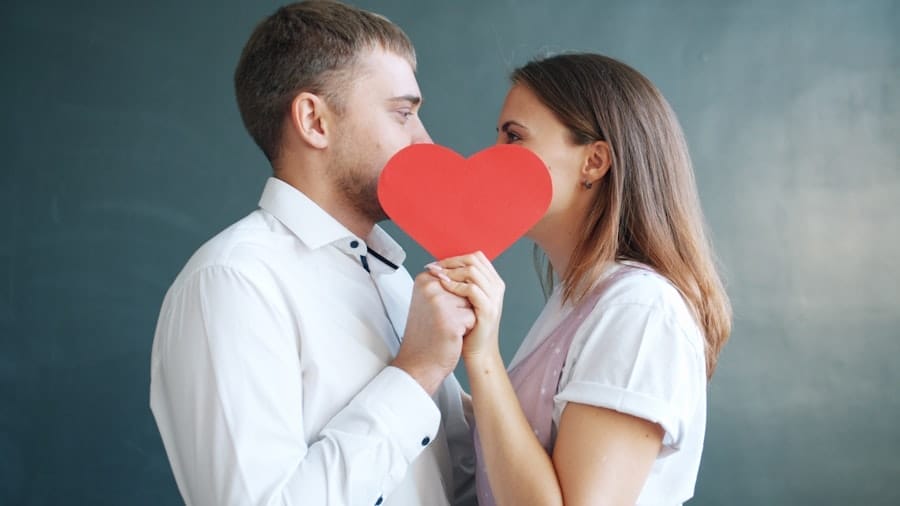
Attraction is a curious beast—an intricate tapestry woven from various threads of psychology, culture, and personal experience. While physical appearance often takes centre stage in the initial attraction phase (thank you, societal standards), deeper factors come into play as relationships develop. Personality traits, shared values, and even humour can significantly influence partner selection. After all, who wouldn’t want to be with someone who can make them laugh until they snort?
Moreover, cultural influences cannot be overlooked. Our upbringing shapes our perceptions of attractiveness and desirability.
For instance, some cultures may prioritise traits like wealth or social status, while others may value kindness and empathy above all else.
This cultural lens adds another layer of complexity to the already convoluted world of attraction. In essence, understanding what draws us to certain individuals can illuminate our own desires and preferences—like holding up a mirror to our romantic inclinations. So next time you find yourself smitten with someone who seems utterly incompatible on paper, remember: attraction is as much about chemistry as it is about context.
Love and the Brain: Unpacking the Neurological Processes Behind Romantic Feelings
Let’s take a moment to venture into the labyrinthine corridors of the brain—the epicentre of our thoughts, emotions, and yes, love! When we fall head over heels for someone, our brains undergo a remarkable transformation. Neuroimaging studies have shown that romantic love activates specific areas in the brain associated with reward processing and motivation. It’s like your brain is throwing a party every time you see your beloved! The ventral tegmental area (VTA), responsible for releasing dopamine, lights up like a Christmas tree when you’re around someone you adore.
But it’s not all fireworks and confetti; love can also trigger stress responses in the brain. The amygdala—the region responsible for processing emotions—can become hyperactive during times of relationship uncertainty or conflict. This duality highlights the complexity of romantic feelings; love can be both exhilarating and anxiety-inducing. Understanding these neurological processes can provide valuable insights into our emotional responses and help us navigate the tumultuous waters of romance with greater awareness.
The Power of Love: Examining the Psychological Benefits of Being in a Romantic Relationship
Love isn’t just a whimsical notion; it comes with tangible psychological benefits that can enhance our overall well-being. Numerous studies have shown that individuals in healthy romantic relationships tend to experience lower levels of stress and anxiety. The emotional support provided by a partner can act as a buffer against life’s inevitable challenges—like dealing with that pesky flat tyre or navigating family drama during the holidays. In essence, love can be a powerful antidote to life’s trials and tribulations.
Moreover, being in a loving relationship can boost self-esteem and foster personal growth. A supportive partner encourages us to pursue our passions and dreams while providing a safe space for vulnerability. This nurturing environment allows individuals to flourish both personally and professionally. So while love may sometimes feel like an emotional rollercoaster, it also offers a safety harness that keeps us grounded during life’s wild rides.
Love and Communication: Understanding the Importance of Effective Interpersonal Interactions
Ah, communication—the lifeblood of any successful relationship! It’s not enough to simply feel love; we must also express it effectively to ensure our partners understand our needs and desires. Miscommunication can lead to misunderstandings that spiral into conflicts faster than you can say “I’m sorry.” Active listening, empathy, and open dialogue are essential components of healthy communication in romantic relationships.
Moreover, non-verbal communication plays a significant role in conveying affection and understanding. A gentle touch or a warm smile can speak volumes when words fail us. Couples who prioritise effective communication are better equipped to navigate challenges together, fostering deeper emotional connections over time. So whether you’re discussing your dreams for the future or simply sharing your day’s highlights over dinner, remember: communication is key!
The Psychology of Breakups: Exploring the Emotional and Cognitive Impact of Relationship Dissolution
Ah, breakups—the bittersweet end to what was once a beautiful chapter in our lives. The emotional fallout from a breakup can be profound, often leaving individuals grappling with feelings of loss and heartache. Psychologically speaking, breakups trigger a range of emotions—from sadness and anger to relief and liberation—creating a complex tapestry of feelings that can be difficult to navigate.
Cognitively, breakups can lead to rumination—a tendency to dwell on past events—which can hinder healing and personal growth. However, understanding this process can empower individuals to move forward more effectively. Embracing self-compassion and seeking support from friends or professionals can facilitate recovery from heartbreak. Ultimately, while breakups are undeniably painful experiences, they also offer opportunities for reflection and growth—like shedding an old skin to make way for new beginnings.
In conclusion, love is an intricate dance between biology, psychology, and interpersonal dynamics—a multifaceted phenomenon that shapes our lives in profound ways. From its evolutionary roots to its impact on our brains and well-being, understanding love allows us to navigate its complexities with greater awareness and appreciation. So whether you’re basking in the glow of new romance or healing from heartbreak, remember: love is an adventure worth embarking on!
FAQs
What is the psychology of love?
The psychology of love is the scientific study of how love affects human behaviour, emotions, and relationships. It explores the biological, cognitive, and social factors that influence how people experience and express love.
What are the main types of love according to psychological theories?
One widely recognised theory is Robert Sternberg’s Triangular Theory of Love, which identifies three components: intimacy, passion, and commitment. Different combinations of these components result in various types of love, such as romantic love, companionate love, and consummate love.
How does attachment theory relate to love?
Attachment theory suggests that early relationships with caregivers shape an individual’s patterns of attachment in adult romantic relationships. Secure, anxious, and avoidant attachment styles influence how people give and receive love, affecting relationship satisfaction and stability.
What role do hormones play in the experience of love?
Hormones such as oxytocin, dopamine, and serotonin play significant roles in the experience of love. Oxytocin is linked to bonding and trust, dopamine is associated with pleasure and reward, and serotonin influences mood and emotional regulation during romantic interactions.
Can love be measured scientifically?
Yes, psychologists use various tools and scales to measure aspects of love, such as the Passionate Love Scale and the Love Attitudes Scale. These instruments assess feelings, behaviours, and attitudes related to love to better understand its psychological dimensions.