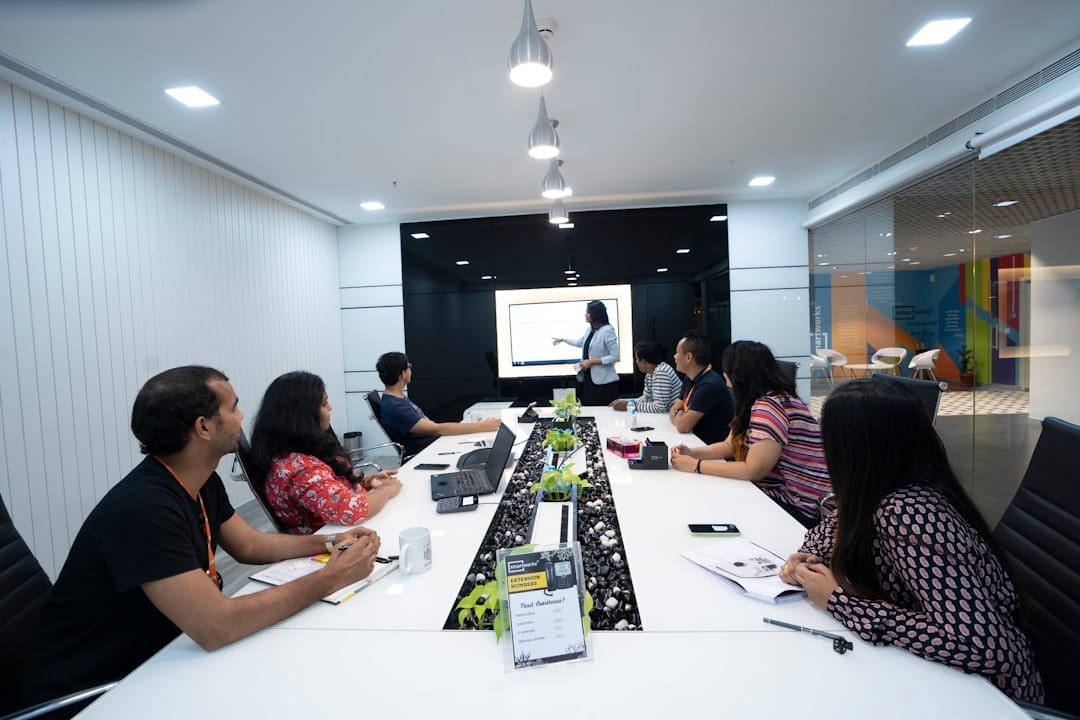
The advent of technology has fundamentally transformed the workplace, reshaping how tasks are performed and how employees interact with one another. From the introduction of computers in the 1980s to the rise of cloud computing and mobile devices in the 21st century, technology has streamlined processes, enhanced productivity, and facilitated communication across geographical boundaries. For instance, tools such as project management software and collaborative platforms like Slack and Microsoft Teams have enabled teams to work together seamlessly, regardless of their physical location.
This shift has not only improved efficiency but has also fostered a culture of transparency and accountability, as team members can easily track progress and share updates in real-time. Moreover, technology has also played a pivotal role in data management and analysis. Businesses now have access to vast amounts of data that can be harnessed to inform decision-making processes.
Advanced analytics tools allow organisations to identify trends, forecast future performance, and tailor their strategies accordingly. For example, companies like Amazon utilise sophisticated algorithms to analyse customer behaviour, enabling them to personalise marketing efforts and enhance customer satisfaction. However, this reliance on technology also raises concerns about data privacy and security, necessitating robust measures to protect sensitive information from cyber threats.
Summary
- Technology has revolutionised the workplace, increasing efficiency and connectivity.
- Remote and flexible working arrangements are becoming more common, offering employees greater work-life balance.
- Embracing diversity and inclusion in the workplace leads to a more innovative and productive environment.
- Continuous learning and upskilling are essential for employees to stay competitive in a rapidly evolving job market.
- Artificial intelligence and automation will play a significant role in shaping the future of work, requiring adaptability from employees and employers alike.
The Rise of Remote and Flexible Working
The COVID-19 pandemic accelerated the trend towards remote and flexible working arrangements, a shift that was already gaining momentum prior to 2020. Many organisations were compelled to adapt quickly to a remote work model, leading to a significant re-evaluation of traditional workplace norms. Employees discovered the benefits of working from home, including reduced commuting time, increased flexibility in managing personal responsibilities, and the ability to create a personalised work environment.
This newfound autonomy has led to higher job satisfaction for many, as individuals can tailor their work schedules to better fit their lifestyles. As businesses have recognised the advantages of remote work, many have adopted hybrid models that combine both in-office and remote working. This flexibility not only caters to diverse employee preferences but also allows organisations to tap into a broader talent pool, unrestricted by geographical limitations.
For instance, companies can now hire skilled professionals from different regions or countries, fostering a more diverse workforce. However, this shift also presents challenges, such as maintaining team cohesion and ensuring effective communication across dispersed teams. Employers must invest in technology and strategies that promote collaboration and engagement among remote workers to mitigate these issues.
Embracing Diversity and Inclusion in the Workplace

Diversity and inclusion have emerged as critical components of modern organisational culture. Companies are increasingly recognising that a diverse workforce brings a wealth of perspectives, ideas, and experiences that can drive innovation and improve problem-solving capabilities. Research has shown that diverse teams are more creative and perform better than their homogeneous counterparts.
For example, McKinsey’s studies have consistently demonstrated a correlation between diversity in leadership teams and financial performance, highlighting the business case for fostering an inclusive environment. To truly embrace diversity and inclusion, organisations must go beyond mere representation; they must cultivate an inclusive culture where all employees feel valued and empowered to contribute. This involves implementing policies that promote equity in hiring practices, providing training on unconscious bias, and creating platforms for underrepresented voices to be heard. Companies like Salesforce have made significant strides in this area by committing to equal pay for equal work and actively working to increase the representation of women and minorities within their workforce. By prioritising diversity and inclusion, organisations not only enhance their reputation but also position themselves for long-term success in an increasingly competitive marketplace.
The Importance of Continuous Learning and Upskilling
In an era characterised by rapid technological advancements and shifting market demands, continuous learning and upskilling have become essential for both employees and organisations. The traditional model of education, where individuals acquire knowledge once and apply it throughout their careers, is no longer sufficient. Instead, professionals must engage in lifelong learning to remain relevant in their fields.
This need for ongoing development is particularly evident in industries such as technology, where new tools and methodologies emerge at a breakneck pace. Organisations are recognising the importance of fostering a culture of continuous learning by providing employees with opportunities for professional development. This can take various forms, including workshops, online courses, mentorship programmes, and access to industry conferences.
For instance, companies like Google offer employees a range of learning resources through their internal platforms, encouraging them to pursue new skills that align with both personal interests and organisational goals. By investing in employee development, organisations not only enhance their workforce’s capabilities but also improve employee retention rates, as individuals are more likely to stay with companies that prioritise their growth.
The Role of Artificial Intelligence and Automation in the Future of Work
Artificial intelligence (AI) and automation are poised to revolutionise the future of work by transforming how tasks are performed across various industries. While these technologies offer significant benefits in terms of efficiency and productivity, they also raise important questions about the future of employment. AI can automate repetitive tasks such as data entry or customer service inquiries, freeing up human workers to focus on more complex and creative aspects of their roles.
For example, chatbots powered by AI can handle routine customer queries, allowing human agents to devote their time to resolving more intricate issues that require empathy and critical thinking. However, the rise of AI also presents challenges related to job displacement. As machines become capable of performing tasks traditionally carried out by humans, there is a growing concern about the potential loss of jobs in certain sectors.
To address this issue, it is crucial for organisations to adopt a proactive approach by reskilling their workforce. This involves identifying roles that may be at risk due to automation and providing training programmes that equip employees with the skills needed for emerging job opportunities. Companies like IBM have initiated initiatives aimed at retraining workers for roles in AI development and data analysis, demonstrating a commitment to ensuring that employees can thrive in an increasingly automated landscape.
Creating a Culture of Innovation and Adaptability

In today’s fast-paced business environment, fostering a culture of innovation and adaptability is paramount for organisational success. Companies must encourage employees to think creatively and embrace change rather than resist it. This requires creating an environment where experimentation is valued, and failure is seen as an opportunity for learning rather than a setback.
For instance, organisations like 3M have long been known for their commitment to innovation; they allocate a portion of employees’ time for personal projects that may lead to new products or improvements. Moreover, adaptability is essential for navigating the uncertainties of the modern marketplace. Businesses must be agile enough to respond quickly to changing consumer preferences or market conditions.
This often involves adopting flexible organisational structures that empower teams to make decisions swiftly without being bogged down by bureaucratic processes. Companies such as Spotify exemplify this approach by employing cross-functional teams that can pivot quickly based on real-time feedback from users. By cultivating a culture that prioritises innovation and adaptability, organisations position themselves not only to survive but also to thrive amidst constant change.
Balancing Work and Wellbeing in the Modern Workplace
As the boundaries between work and personal life continue to blur, prioritising employee wellbeing has become increasingly important for organisations seeking to maintain a healthy workforce. The rise of remote working has highlighted the need for individuals to establish boundaries that protect their mental health while still fulfilling professional responsibilities. Employers are recognising that supporting employee wellbeing is not merely a moral obligation but also a strategic imperative; happy employees are more engaged, productive, and likely to remain with the company.
To promote wellbeing in the workplace, organisations are implementing various initiatives aimed at supporting mental health and work-life balance. This includes offering flexible working hours, providing access to mental health resources such as counselling services or wellness programmes, and encouraging regular breaks throughout the day. For example, companies like Buffer have adopted policies that promote transparency around mental health challenges while providing employees with tools to manage stress effectively.
By fostering an environment that prioritises wellbeing, organisations can create a more resilient workforce capable of navigating the challenges of modern work.
The Future of Leadership and Management in a Changing Work Environment
The evolving landscape of work necessitates a rethinking of traditional leadership and management styles. As organisations embrace remote work, diversity initiatives, and technological advancements, leaders must adapt their approaches to effectively guide their teams through these changes. The future leader will need to possess emotional intelligence, empathy, and strong communication skills to foster trust among team members who may be geographically dispersed.
Furthermore, leaders must embrace a more collaborative approach that empowers employees at all levels to contribute ideas and take ownership of their work. This shift from top-down management to a more participative style encourages innovation while enhancing employee engagement. Companies like Zappos exemplify this approach by promoting a flat organisational structure where employees are encouraged to voice their opinions and participate in decision-making processes actively.
As the workplace continues to evolve, leaders who prioritise collaboration and adaptability will be better equipped to navigate the complexities of modern business environments while inspiring their teams towards shared goals.
In exploring the evolving landscape of the workplace, it’s crucial to understand the impact of paradigm shifts within change management. A pertinent article that delves into this topic is “The Role of the Paradigm Shift in Change Management” by Stephan Meyer. This piece examines how fundamental changes in business paradigms influence management strategies and the broader implications for the future of work. For those interested in a deeper exploration of this subject, the article can be accessed here. It provides insightful perspectives that are essential for professionals navigating the complexities of modern organisational environments.