
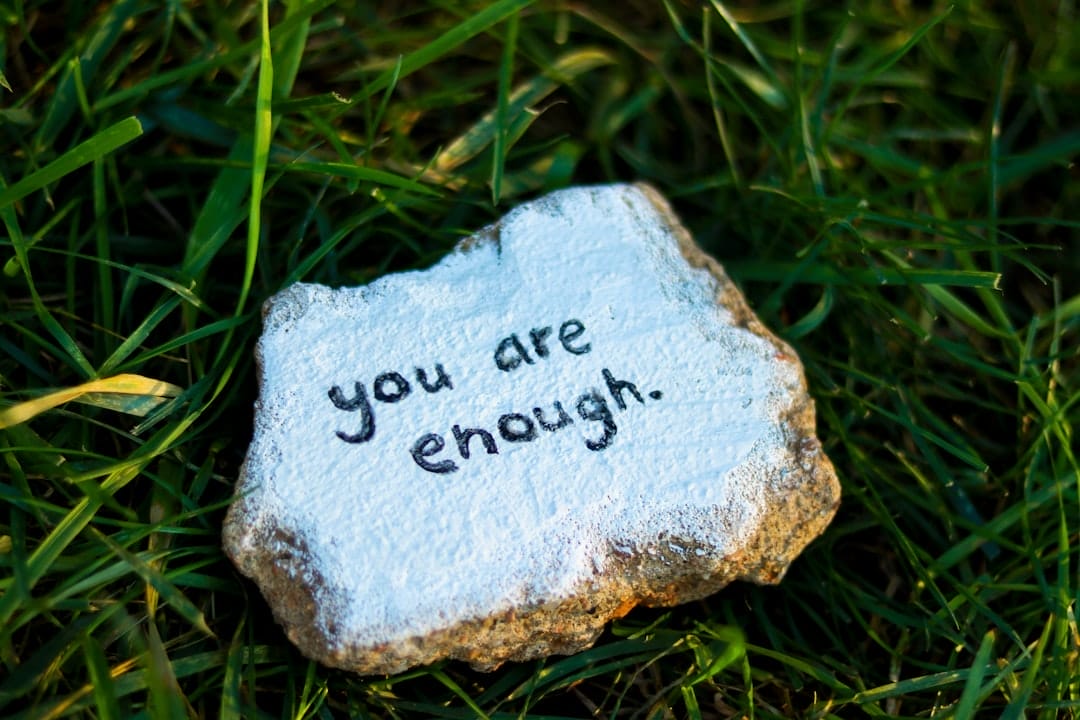
Self-esteem, that elusive quality we all seem to chase like a cat after a laser pointer, is essentially the way we perceive our own worth. It’s the internal dialogue that whispers sweet nothings or, conversely, hurls insults at us when we least expect it. In simpler terms, self-esteem is the opinion we hold about ourselves, a cocktail of confidence and self-respect shaken with a splash of self-acceptance. It can be as fragile as a soap bubble or as robust as a well-aged cheese, depending on our experiences and the messages we receive from the world around us.
But let’s not get too carried away with the romantic notion of self-esteem. It’s not merely about feeling good in a bubble bath with a glass of wine; it’s a complex interplay of thoughts, emotions, and behaviours that can fluctuate wildly from day to day. One moment you might feel like the king or queen of the world, and the next, you’re questioning your very existence because you forgot to put the bins out. Self-esteem is influenced by myriad factors, including upbringing, social interactions, and even the occasional unsolicited comment from a well-meaning friend. It’s a rollercoaster ride that can leave you exhilarated or queasy, depending on how you navigate the twists and turns.
Summary
- Self-esteem is the overall opinion we have of ourselves and our abilities.
- Childhood experiences, such as parental support and peer relationships, play a crucial role in the development of self-esteem.
- Low self-esteem can contribute to mental health issues such as anxiety and depression.
- Healthy self-esteem is essential for forming and maintaining positive relationships.
- Building and maintaining healthy self-esteem involves practicing self-care, setting boundaries, and challenging negative thoughts.
The Development of Self-Esteem in Childhood
Ah, childhood—the golden years when our self-esteem is shaped like a lump of clay in the hands of well-meaning adults. From the moment we take our first wobbly steps, we are bombarded with messages about our worth. Parents, teachers, and peers all play pivotal roles in this formative process. A child who receives praise for their efforts in school or their artistic endeavours is likely to develop a healthy sense of self-worth. Conversely, a child who faces constant criticism or neglect may find their self-esteem plummeting faster than a lead balloon.
The development of self-esteem is not a linear journey; it’s more akin to a game of Snakes and Ladders. One moment you’re climbing up the ladder of confidence, buoyed by compliments and encouragement, and the next, you’re sliding down a snake of doubt and insecurity. Children are particularly sensitive to feedback, and their self-esteem can be easily influenced by the opinions of those around them. This is why it’s crucial for caregivers to foster an environment where children feel safe to express themselves and make mistakes without fear of harsh judgement. After all, nobody wants to grow up feeling like they’re perpetually stuck in the “loser” lane.
The Impact of Self-Esteem on Mental Health

Now, let’s talk about the rather serious side of self-esteem: its impact on mental health. It’s no secret that low self-esteem can lead to a veritable buffet of mental health issues, including anxiety, depression, and even more severe conditions if left unchecked. When individuals don’t believe in their own worth, they may find themselves trapped in a vicious cycle of negative thoughts and behaviours that can be incredibly difficult to escape. It’s like being stuck in a hamster wheel—exerting all that energy but getting nowhere fast.
On the flip side, those with healthy self-esteem tend to have better coping mechanisms and resilience when faced with life’s inevitable challenges. They are more likely to seek help when needed and engage in positive self-talk rather than wallowing in self-pity. This doesn’t mean they’re immune to life’s trials; rather, they approach difficulties with a sense of agency and belief in their ability to overcome obstacles. In essence, self-esteem acts as a protective shield against the slings and arrows of life, allowing individuals to navigate their mental health with greater ease and confidence.
The Influence of Self-Esteem on Relationships

Self-esteem doesn’t just affect how we feel about ourselves; it also plays a significant role in how we interact with others. Think about it: if you don’t believe you’re worthy of love and respect, how can you expect others to treat you that way? Low self-esteem can lead to unhealthy relationship patterns, such as seeking validation from others or tolerating toxic behaviour because one feels undeserving of better treatment. It’s like wearing a sign that says “please walk all over me” without even realising it.
Conversely, individuals with healthy self-esteem are more likely to establish boundaries and engage in mutually respectful relationships. They understand their worth and are less likely to settle for less than they deserve. This doesn’t mean they won’t face challenges; every relationship has its ups and downs. However, those with strong self-esteem are generally better equipped to communicate their needs and navigate conflicts without resorting to passive-aggressive tactics or emotional manipulation. In short, self-esteem is the bedrock upon which healthy relationships are built—without it, you might as well be trying to construct a house on quicksand.
Strategies for Building and Maintaining Healthy Self-Esteem
So how does one go about building this elusive thing called healthy self-esteem? Fear not! There are strategies aplenty for those willing to roll up their sleeves and get to work. First on the list is positive self-talk—yes, that means banishing the inner critic who delights in pointing out your flaws like a particularly nasty game show host. Instead, try replacing those negative thoughts with affirmations that celebrate your strengths and accomplishments. It may feel silly at first—like talking to yourself in the mirror—but over time, it can help reshape your internal narrative.
Another effective strategy is setting realistic goals and celebrating small victories along the way. Instead of aiming for perfection (which is as attainable as finding a unicorn), focus on progress. Each step forward is an opportunity to acknowledge your efforts and build confidence. Surrounding yourself with supportive people who uplift rather than undermine your self-worth is also crucial. After all, nobody needs a friend who constantly reminds them of their shortcomings—unless you’re auditioning for a role in a tragicomedy.
The Role of Self-Esteem in Success and Achievement
Self-esteem is often touted as a key ingredient in the recipe for success—like flour in a cake or caffeine in your morning coffee. When individuals believe in their abilities, they are more likely to take risks and pursue opportunities that can lead to achievement. This doesn’t mean that self-esteem guarantees success; rather, it provides the motivation and confidence needed to chase after goals with gusto. Think of it as your personal cheerleader—one that doesn’t require pom-poms but still manages to get you fired up.
Moreover, high self-esteem can foster resilience in the face of setbacks. When things don’t go according to plan (and let’s be honest, when do they ever?), those with healthy self-esteem are more likely to view failures as learning experiences rather than definitive proof of inadequacy. This mindset allows them to bounce back more quickly and continue striving for their goals. In contrast, low self-esteem can lead individuals to give up at the first sign of trouble, convinced that they were never meant for greatness in the first place. So if you’re looking for success, start by nurturing that inner champion—you might just surprise yourself with what you can achieve.
Overcoming Low Self-Esteem
Overcoming low self-esteem is akin to climbing Mount Everest—daunting but not impossible with the right tools and mindset. The first step is recognising that low self-esteem is not an immutable trait; it’s something that can be changed with effort and dedication.
Acknowledging your feelings is crucial; after all, you can’t fix what you don’t acknowledge exists!
Once you’ve taken stock of your self-perception, it’s time to challenge those negative beliefs head-on. Ask yourself: are these thoughts based on facts or mere assumptions? Often, you’ll find that they’re more fiction than reality.
Another effective approach is engaging in activities that promote self-discovery and personal growth. Whether it’s picking up a new hobby, volunteering for a cause you care about, or simply stepping outside your comfort zone, these experiences can help build confidence and provide evidence that you are capable of more than you think. Surrounding yourself with positive influences—friends who lift you up rather than drag you down—is equally important. Remember: you are the average of the five people you spend the most time with; choose wisely!
Seeking Professional Help for Self-Esteem Issues
Sometimes, despite our best efforts, we find ourselves stuck in a quagmire of low self-esteem that feels insurmountable. In such cases, seeking professional help can be an invaluable step towards healing and growth. Therapists and counsellors are trained to help individuals navigate their feelings and develop healthier thought patterns. They can provide tools tailored specifically to your needs—think of them as personal trainers for your mental health.
Therapy isn’t just for those who are “broken”; it’s for anyone looking to improve their relationship with themselves and others. Engaging in therapy can help uncover underlying issues contributing to low self-esteem—be it past trauma or negative experiences—and provide strategies for overcoming these hurdles. So if you find yourself feeling like an imposter in your own life or struggling with feelings of inadequacy, don’t hesitate to reach out for support. After all, even superheroes need sidekicks sometimes!
FAQs
What is self-esteem in psychology?
Self-esteem in psychology refers to a person’s overall sense of self-worth or personal value. It involves a person’s beliefs about themselves, their abilities, and their worthiness.
What are the factors that influence self-esteem?
Several factors can influence a person’s self-esteem, including their upbringing, social interactions, achievements, body image, and the feedback they receive from others. Additionally, mental health issues, such as depression or anxiety, can also impact self-esteem.
How does low self-esteem affect individuals?
Low self-esteem can have a significant impact on an individual’s mental and emotional well-being. It can lead to feelings of inadequacy, depression, anxiety, and a lack of motivation. It can also affect relationships and overall quality of life.
How can individuals improve their self-esteem?
There are several strategies individuals can use to improve their self-esteem, including practicing self-compassion, setting realistic goals, challenging negative thoughts, seeking support from others, and engaging in activities that bring a sense of accomplishment.
What role does self-esteem play in mental health?
Self-esteem plays a crucial role in mental health, as it can influence how individuals cope with stress, handle challenges, and maintain a positive outlook on life. Individuals with healthy self-esteem are generally better equipped to navigate life’s ups and downs.