
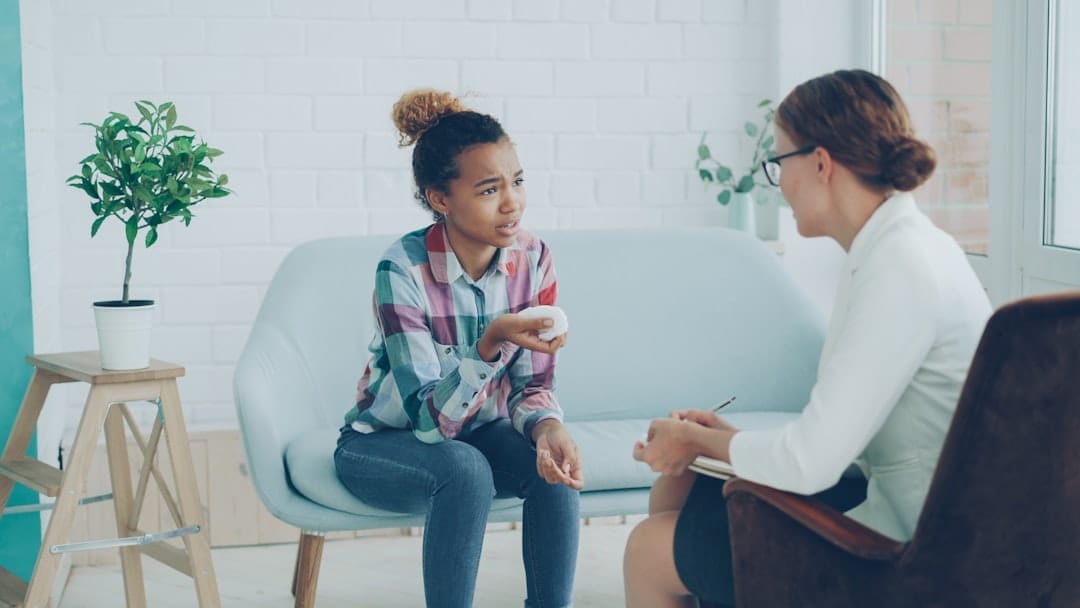
In a world that often feels like a chaotic circus, where the tightrope walkers are our emotions and the clowns are our misunderstandings, social counselors emerge as the unsung heroes, wielding their capes of empathy and understanding. They are the navigators of the tumultuous seas of human interaction, steering individuals towards healthier relationships and fostering a sense of community. The importance of social counselors cannot be overstated; they are the glue that holds together the fragile fabric of our social lives, helping us to stitch up the rips and tears caused by miscommunication, conflict, and emotional distress.
Empowering relationships is not merely about resolving conflicts; it’s about nurturing connections that can withstand the test of time. Social counselors play a pivotal role in this process, providing individuals with the tools they need to communicate effectively, understand one another, and build trust. In an age where digital interactions often replace face-to-face conversations, the need for skilled professionals who can guide us back to meaningful connections is more crucial than ever. They remind us that behind every screen is a person with feelings, fears, and dreams, and that fostering genuine relationships is essential for our mental well-being.
Summary
- Social counselors play a vital role in fostering and empowering healthy relationships.
- Effective social counselors possess key skills such as empathy, communication, and problem-solving.
- Their work positively impacts both individuals and wider communities by addressing interpersonal challenges.
- Social counselors actively tackle social inequality and injustice through their supportive interventions.
- Emerging trends and innovations are shaping the future of social counselling to better empower relationships.
Understanding the Role of a Social Counselor in Building Healthy Relationships
At the heart of social counselling lies a profound understanding of human behaviour and the complexities of interpersonal dynamics. Social counselors are trained to identify patterns in relationships that may lead to dysfunction or distress.
They act as facilitators, helping individuals articulate their feelings and thoughts in a safe environment.
This role is akin to that of a skilled conductor leading an orchestra; each individual is an instrument, and it is the counselor’s job to ensure that they harmonise rather than clash.
Moreover, social counselors are adept at recognising the unique context of each relationship. They understand that no two partnerships are alike; what works for one couple may not work for another. By employing various therapeutic techniques, they tailor their approach to meet the specific needs of their clients. This bespoke service is vital in building healthy relationships, as it acknowledges the individuality of each person involved. In essence, social counselors are not just problem solvers; they are relationship architects, constructing solid foundations upon which enduring connections can flourish.
The Skills and Qualities Needed to be an Effective Social Counselor

To don the mantle of a social counselor is to possess a unique blend of skills and qualities that enable one to navigate the intricate web of human emotions. Empathy stands at the forefront; it is the ability to step into another’s shoes and truly understand their perspective. Without this essential quality, a counselor risks becoming just another voice in a sea of noise, rather than a beacon of support. Empathy allows counselors to forge genuine connections with their clients, creating an atmosphere of trust where individuals feel safe to share their innermost thoughts.
In addition to empathy, effective communication skills are paramount. A social counselor must be able to articulate complex ideas in a manner that is both accessible and relatable. This involves not only speaking but also listening—an art form in itself. Active listening enables counselors to pick up on subtle cues and underlying emotions that may not be immediately apparent. Furthermore, adaptability is crucial; each session can take unexpected turns, and a skilled counselor must be prepared to pivot their approach as needed. These qualities combined create a powerful toolkit for fostering understanding and healing within relationships.
The Impact of Social Counselors on Individuals and Communities
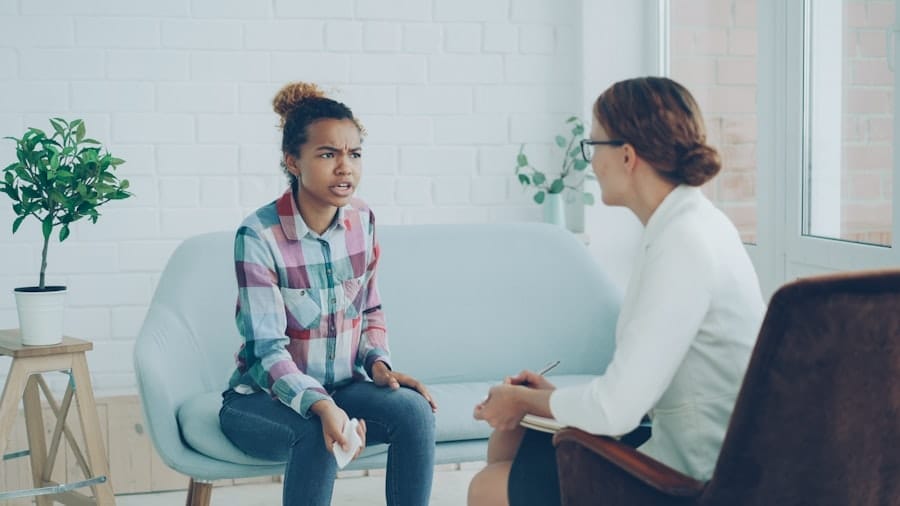
The impact of social counselors extends far beyond individual sessions; it ripples through communities, creating a more cohesive social fabric. When individuals learn to navigate their relationships more effectively, they contribute to a culture of understanding and respect. This transformation can lead to reduced conflict within families, workplaces, and neighbourhoods, ultimately fostering a sense of belonging and community spirit. Social counselors act as catalysts for change, empowering individuals not only to improve their personal lives but also to uplift those around them.
Moreover, the influence of social counselors can be seen in broader societal contexts. By addressing issues such as mental health stigma and promoting open dialogue about emotional well-being, they help to create environments where individuals feel valued and heard. This shift in perspective can lead to increased community engagement and support networks, as people become more willing to reach out for help or offer assistance to others. In essence, social counselors are not just mending broken relationships; they are laying the groundwork for healthier communities where empathy and understanding reign supreme.
How Social Counselors Help Individuals Navigate Interpersonal Challenges
Navigating interpersonal challenges can often feel like traversing a minefield; one wrong step can lead to emotional explosions that leave lasting scars. Social counselors provide invaluable support during these tumultuous times, guiding individuals through the labyrinth of their emotions with patience and expertise.
They help clients identify the root causes of their challenges—be it communication breakdowns, unresolved conflicts, or differing expectations—and work collaboratively to develop strategies for resolution.
One of the most significant ways social counselors assist individuals is by equipping them with effective communication skills. They teach clients how to express their feelings assertively without resorting to aggression or passive-aggressiveness—a delicate balance that many struggle to achieve. By fostering open dialogue and encouraging vulnerability, counselors empower individuals to confront their challenges head-on rather than avoiding them. This proactive approach not only resolves immediate issues but also strengthens relationships in the long run, creating a foundation for healthier interactions in the future.
The Role of Social Counselors in Addressing Social Inequality and Injustice
Social inequality and injustice are pervasive issues that permeate every aspect of society, often manifesting in strained relationships and community discord. Social counselors play a crucial role in addressing these systemic problems by advocating for those who may feel voiceless or marginalised. They work tirelessly to create inclusive spaces where individuals from diverse backgrounds can come together to share their experiences and perspectives.
By raising awareness about social injustices and promoting equity within relationships, social counselors help dismantle barriers that prevent meaningful connections from forming. They encourage clients to examine their own biases and assumptions while fostering empathy towards others’ experiences. This process not only benefits individuals but also contributes to a more just society where everyone has the opportunity to thrive. In this way, social counselors become agents of change, challenging societal norms and advocating for a world where equality reigns supreme.
The Collaborative Approach of Social Counselors in Empowering Relationships
Collaboration is at the heart of effective social counselling; it is not merely about one person imparting wisdom upon another but rather a partnership built on mutual respect and understanding. Social counselors recognise that clients are experts in their own lives, possessing valuable insights into their experiences and challenges. By adopting a collaborative approach, counselors empower individuals to take an active role in their healing journey.
This partnership often involves setting goals together—whether it’s improving communication skills within a romantic relationship or navigating family dynamics more effectively. Counselors guide clients through this process, providing support while allowing them the autonomy to make choices that resonate with their values and aspirations. This empowerment fosters a sense of ownership over one’s relationships, leading to more sustainable changes that endure long after counselling sessions have concluded.
The Future of Social Counseling: Trends and Innovations in Empowering Relationships
As we look towards the future of social counseling, it is clear that innovation will play a pivotal role in shaping how we empower relationships. The rise of technology has already begun to transform the landscape of counselling; online platforms offer greater accessibility for individuals seeking support from the comfort of their homes. Virtual counselling sessions have become increasingly popular, breaking down geographical barriers and allowing clients from diverse backgrounds to connect with skilled professionals.
Moreover, there is a growing emphasis on integrating holistic approaches into social counseling practices. Mindfulness techniques, art therapy, and community-based interventions are gaining traction as effective tools for fostering emotional well-being and strengthening relationships. As society continues to evolve, so too will the methods employed by social counselors—adapting to meet the needs of an ever-changing world while remaining steadfast in their commitment to empowering individuals and communities alike.
In conclusion, social counselors are indispensable allies in our quest for healthier relationships and stronger communities. Their unique blend of skills, empathy, and collaborative spirit enables them to navigate the complexities of human interaction with grace and understanding. As we move forward into an uncertain future, let us recognise the vital role these professionals play in shaping our social landscape—one empowered relationship at a time.
FAQs
What is the role of a social counsellor?
A social counsellor provides support and guidance to individuals facing personal, social, or psychological challenges. They help clients develop coping strategies, improve relationships, and enhance their overall well-being.
What qualifications are required to become a social counsellor?
Typically, a social counsellor needs a degree in social work, counselling, psychology, or a related field. Professional accreditation or registration with a recognised body, such as the British Association for Counselling and Psychotherapy (BACP), is often required.
Where do social counsellors typically work?
Social counsellors can work in a variety of settings, including schools, hospitals, community centres, social service agencies, and private practice. They may also be employed by local authorities or charitable organisations.
What types of issues do social counsellors help with?
Social counsellors assist with a wide range of issues, including mental health problems, family difficulties, substance abuse, bereavement, relationship issues, and social isolation.
How does confidentiality work in social counselling?
Confidentiality is a fundamental principle in social counselling. Information shared by clients is kept private, except in cases where there is a risk of harm to the client or others, or when required by law. Social counsellors explain confidentiality limits at the start of their work with clients.