
Creativity, that elusive spark that ignites the imagination, is often relegated to the realms of artists, musicians, and writers. However, it is a fundamental aspect of human experience that transcends the boundaries of traditional art forms. At its core, creativity is about making connections, thinking outside the proverbial box, and finding novel solutions to everyday problems. It serves as a vital component of psychological well-being, acting as a balm for the soul in times of distress. When we engage in creative pursuits, we tap into a reservoir of potential that not only enriches our lives but also enhances our mental health.
The act of creating—whether it be through painting, writing, cooking, or even gardening—provides a sense of purpose and accomplishment.
This sense of achievement can be particularly potent in a world that often feels chaotic and overwhelming.
By engaging in creative activities, individuals can cultivate a sense of agency over their lives, fostering resilience in the face of adversity. In essence, creativity is not merely a pastime; it is a powerful tool for navigating the complexities of modern existence and nurturing our psychological well-being.
Summary
- Creativity plays a crucial role in promoting psychological well-being by providing an outlet for self-expression and emotional release.
- Engaging in creative activities can help manage stress and anxiety by allowing individuals to focus their energy on positive and productive pursuits.
- The therapeutic benefits of creativity include improved mood, increased self-awareness, and a sense of accomplishment and purpose.
- Using creativity as a tool for self-expression and emotional release can aid in processing and coping with difficult emotions and experiences.
- Cultivating creativity can enhance problem-solving skills and resilience, leading to improved overall well-being and a sense of empowerment.
How Creativity Can Help Manage Stress and Anxiety
In an age where stress and anxiety seem to be the unwelcome companions of daily life, creativity emerges as a formidable ally. Engaging in creative activities can serve as a form of escapism, allowing individuals to momentarily step away from their worries and immerse themselves in a world of imagination. Whether it’s doodling in a notebook during a particularly tedious meeting or losing oneself in the rhythm of a favourite song, creativity provides an outlet for pent-up emotions and stressors. It’s like giving your brain a mini-vacation—no passport required!
Moreover, the process of creating can be meditative in nature. When we focus on the act of making something—be it a piece of art or a delicious meal—we enter a state of flow where time seems to stand still. This state not only distracts us from our anxieties but also allows our minds to reset and recharge. Research has shown that engaging in creative activities can lower cortisol levels, the hormone associated with stress, thereby promoting a sense of calm and relaxation. So, the next time you feel the weight of the world on your shoulders, consider picking up a paintbrush or strumming a guitar; your mental health may just thank you for it.
The Therapeutic Benefits of Engaging in Creative Activities

The therapeutic benefits of creativity extend far beyond mere distraction; they delve into the very fabric of our emotional and psychological landscapes. Engaging in creative activities has been shown to improve mood, reduce symptoms of depression, and enhance overall emotional resilience. This is not just anecdotal fluff; numerous studies have demonstrated that art therapy and other creative modalities can lead to significant improvements in mental health outcomes. It’s as if creativity acts as a gentle nudge towards healing, encouraging individuals to explore their feelings and experiences in a safe and constructive manner.
Furthermore, creative expression can facilitate communication when words fail us. For many, articulating complex emotions can feel like trying to catch smoke with bare hands—frustrating and ultimately futile. However, through art, music, or writing, individuals can convey their innermost thoughts and feelings in ways that transcend verbal language. This form of expression can be particularly beneficial for those who have experienced trauma or loss, providing them with a means to process their experiences and begin the journey towards healing. In this light, creativity becomes not just an activity but a lifeline—a bridge connecting us to our emotions and to one another.
Using Creativity as a Tool for Self-expression and Emotional Release
Self-expression is an intrinsic human need; it’s how we communicate our identities, beliefs, and experiences to the world. Creativity serves as an invaluable tool for this expression, allowing individuals to articulate their thoughts and feelings in ways that resonate deeply with both themselves and others. Whether through painting a vibrant canvas or crafting poignant poetry, creative outlets provide a safe space for emotional release. It’s like opening a window on a stuffy day—suddenly, fresh air rushes in, invigorating the spirit.
Moreover, engaging in creative self-expression can lead to profound insights about oneself. As we create, we often uncover hidden emotions or thoughts that may have been lurking beneath the surface. This process can be cathartic; it allows us to confront our feelings head-on rather than burying them under layers of societal expectations or personal fears. In this way, creativity becomes not just an act of making but an act of understanding—an exploration of the self that can lead to greater self-awareness and acceptance.
Cultivating Creativity to Enhance Problem-solving and Resilience
Creativity is not solely confined to artistic endeavours; it is also an essential skill for problem-solving and resilience. In fact, some might argue that creativity is the secret ingredient that separates the average from the extraordinary when it comes to tackling life’s challenges. When faced with obstacles, those who can think creatively are often better equipped to devise innovative solutions. This ability to approach problems from different angles fosters resilience—a quality that enables individuals to bounce back from setbacks with renewed vigour.
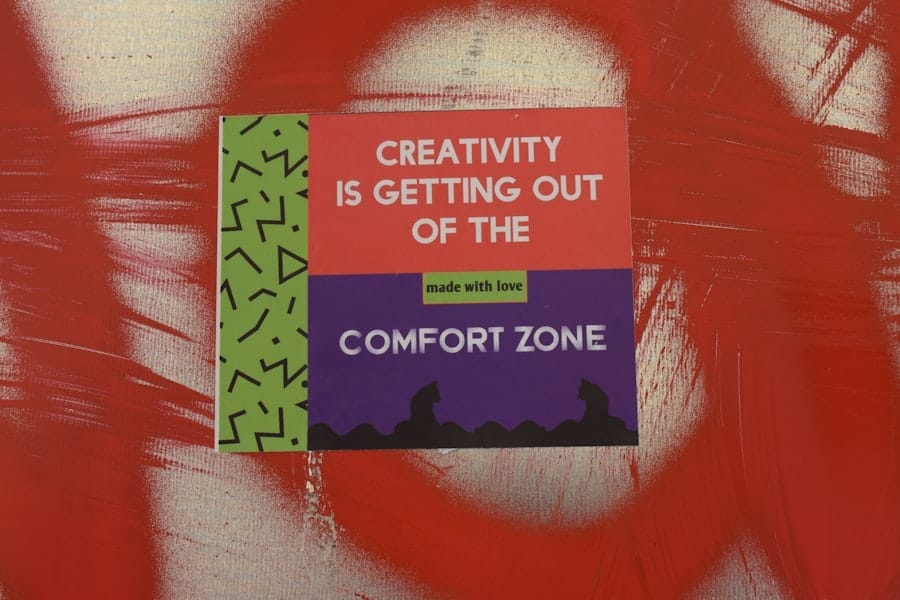
Cultivating creativity involves embracing curiosity and experimentation. It requires us to step outside our comfort zones and challenge conventional thinking. This mindset not only enhances our problem-solving abilities but also encourages adaptability—a crucial trait in today’s ever-changing world. By nurturing our creative instincts, we equip ourselves with the tools necessary to navigate life’s uncertainties with confidence and grace.
So go ahead—embrace your inner mad scientist!
Who knows what brilliant solutions you might concoct?
The Connection Between Creativity and Positive Self-esteem
The relationship between creativity and self-esteem is as intricate as a spider’s web—delicate yet remarkably strong. Engaging in creative activities can significantly boost self-esteem by providing individuals with opportunities for achievement and self-discovery. When we create something—be it a piece of art or a delicious dish—we experience a sense of accomplishment that reinforces our belief in our abilities. This newfound confidence can spill over into other areas of life, empowering us to take on new challenges with enthusiasm.
Moreover, creativity encourages self-acceptance by allowing us to embrace our unique perspectives and talents. In a world that often promotes conformity, engaging in creative expression reminds us that our individuality is something to be celebrated rather than suppressed. This celebration of self fosters positive self-esteem and encourages us to embrace our quirks and idiosyncrasies with pride. So whether you’re belting out off-key notes in the shower or attempting to master the art of sourdough baking (with varying degrees of success), remember that your creative journey is uniquely yours—and that’s something worth celebrating!
Incorporating Creativity into Daily Life for Improved Mental Health
Incorporating creativity into daily life doesn’t require grand gestures or elaborate plans; it can be as simple as infusing small moments with imaginative flair. Whether it’s doodling during your morning coffee or experimenting with new recipes for dinner, finding ways to weave creativity into your routine can have profound effects on your mental health. These small acts of creation serve as reminders that life is not merely about productivity but also about joy and exploration.
Moreover, setting aside dedicated time for creative pursuits can be incredibly beneficial for mental well-being. Just as we schedule meetings or appointments, carving out time for creativity signals to ourselves that our mental health matters. This intentionality fosters a sense of commitment to our well-being and encourages us to prioritise activities that bring us joy. So grab those watercolours or dust off that guitar; your mental health will thank you for it!
Harnessing the Power of Creativity for Overall Well-being
Ultimately, harnessing the power of creativity is about recognising its potential to enrich our lives on multiple levels. From managing stress and anxiety to enhancing self-esteem and resilience, creativity serves as a multifaceted tool for overall well-being. It invites us to explore our emotions, connect with others, and navigate life’s challenges with grace and humour.
As we embrace our creative instincts—no matter how quirky or unconventional—we open ourselves up to new possibilities and experiences. We learn to celebrate our uniqueness while fostering connections with others who share our passions. In this way, creativity becomes not just an individual pursuit but a collective journey towards greater understanding and compassion.
So let us raise our paintbrushes high and embrace the chaos of creation! After all, life is too short to play it safe; let’s revel in the delightful messiness of being human—and perhaps discover along the way that creativity is not just an escape but an essential ingredient for living well.
FAQs
What is creativity in psychology?
Creativity in psychology refers to the ability to generate new and valuable ideas, solutions, or products. It involves the process of thinking divergently, making connections between seemingly unrelated concepts, and producing original and innovative outcomes.
How is creativity measured in psychology?
Creativity in psychology is measured using various methods, including divergent thinking tests, such as the Torrance Tests of Creative Thinking, which assess an individual’s ability to generate multiple solutions to a given problem. Other measures include self-report questionnaires, observational assessments, and creative performance tasks.
What are the factors that influence creativity in psychology?
Several factors influence creativity in psychology, including cognitive abilities, such as flexibility, fluency, and originality of thinking, as well as personality traits, such as openness to experience, curiosity, and persistence. Environmental factors, such as social and cultural influences, also play a role in shaping an individual’s creativity.
What are the benefits of fostering creativity in psychology?
Fostering creativity in psychology has numerous benefits, including enhanced problem-solving skills, increased adaptability to change, improved emotional well-being, and greater innovation in various domains, such as science, technology, and the arts. Creativity also plays a crucial role in personal and professional development.
How can creativity be enhanced in psychology?
Creativity can be enhanced in psychology through various strategies, such as encouraging curiosity and exploration, providing opportunities for diverse experiences and perspectives, promoting a supportive and inclusive environment, and offering training in creative thinking techniques, such as brainstorming and mind mapping. Additionally, engaging in activities that stimulate the imagination, such as art, music, and storytelling, can also enhance creativity.