

Mihaly Csikszentmihalyi, a Hungarian psychologist born in 1934, has made a significant contribution to our understanding of happiness and creativity. His most notable contribution to psychology is the concept of “flow”—a state of complete immersion in an activity where individuals experience optimal engagement and focus. Flow represents a psychological state in which a person becomes fully absorbed in a task, losing awareness of time and self-consciousness.
This concept has become fundamental to positive psychology and has applications across numerous disciplines, including art, sports, and education. Csikszentmihalyi’s extensive research demonstrates that flow is not merely a transient experience but rather a sustained mental state capable of substantially enhancing quality of life and overall well-being. Csikszentmihalyi’s work extends beyond theoretical psychology, offering practical insights applicable to everyday experiences.
His research reveals that individuals frequently enter flow states when engaged in activities that match their skill level with appropriate challenge. In contemporary society, where digital distractions and constant connectivity present significant obstacles to sustained concentration, understanding the mechanisms of flow has become increasingly relevant. By recognising and cultivating conditions that facilitate flow, individuals can develop greater engagement with their work and leisure activities, thereby improving both productivity and life satisfaction.
Summary
- Mihaly Csikszentmihalyi pioneered the concept of flow, a state of deep focus and immersion.
- Flow occurs when challenges and skills are balanced, leading to heightened enjoyment and productivity.
- Experiencing flow enhances well-being, creativity, and performance in various aspects of life.
- Practical strategies can help individuals enter flow during daily tasks and professional work.
- Recognising and overcoming barriers is key to consistently accessing the flow state.
Understanding the concept of flow
Flow is that magical state where time seems to evaporate, and you become one with your activity. Imagine yourself painting a masterpiece, coding a complex programme, or even baking a soufflé that doesn’t collapse—everything else fades away, and you are left with pure focus and joy. Csikszentmihalyi describes flow as a state of optimal experience, characterised by complete absorption in what you are doing.
It’s like being in a trance but without the questionable side effects of questionable herbal teas or dubious meditation practices. To achieve flow, certain conditions must be met. First and foremost, there must be a balance between the challenge of the task and your skill level.
If you’re attempting to juggle flaming torches while still mastering the art of basic ball juggling, you might find yourself in a state of panic rather than flow. Conversely, if the task is too easy—like counting sheep—you may find your mind wandering to more pressing matters, such as what to have for dinner or whether your cat secretly judges you. The sweet spot lies in that delicate balance where your skills are stretched just enough to keep you engaged without sending you into a tailspin of anxiety.
The benefits of experiencing flow

Experiencing flow is akin to stumbling upon a hidden treasure chest filled with gold coins and chocolate—who wouldn’t want that? The benefits are manifold and extend beyond mere enjoyment. When we enter this state of heightened focus and engagement, our productivity skyrockets.
Tasks that once felt laborious become exhilarating challenges that we tackle with gusto. It’s as if we’ve been given a turbo boost for our brains, allowing us to accomplish more in less time while feeling utterly fulfilled. Moreover, flow has been linked to increased creativity and problem-solving abilities.
When we are fully immersed in an activity, our minds become more flexible and open to new ideas. It’s like unlocking a secret door in our brains that leads to an expansive garden of possibilities. This is particularly beneficial in creative fields where innovation is key.
Imagine an artist who finds themselves in flow while painting; their brush strokes become more fluid, their colours more vibrant, and their ideas more daring. The result? A masterpiece that not only captivates viewers but also leaves the artist feeling invigorated and inspired.
How to achieve flow in everyday life
Achieving flow in everyday life may sound like an elusive dream reserved for artists and athletes, but fear not! It’s entirely possible for the average Joe or Jane to tap into this state of blissful productivity. The first step is to identify activities that genuinely interest you—those tasks that make your heart race with excitement rather than dread.
Whether it’s gardening, writing poetry, or even assembling IKEA furniture (a true test of patience), finding your passion is crucial. Once you’ve identified your passion project, create an environment conducive to flow. This means minimising distractions—goodbye social media notifications and pesky emails!
Set aside dedicated time for your chosen activity and immerse yourself fully in it. Establishing clear goals can also help guide your focus; after all, wandering aimlessly through your task is unlikely to lead you to flow. Instead, break down larger projects into manageable chunks and celebrate small victories along the way.
Before you know it, you’ll be lost in the delightful whirlpool of flow, wondering how three hours have passed in what felt like mere minutes.
Flow in the workplace
Ah, the workplace—a realm often associated with endless meetings, coffee breaks that turn into gossip sessions, and the occasional existential crisis over whether one should really be working on that spreadsheet or contemplating life choices instead. However, introducing flow into this often mundane environment can transform it into a hub of creativity and productivity. Imagine a workplace where employees are not just clocking in and out but are genuinely engaged in their tasks—sounds like a utopian dream, doesn’t it?
To foster flow at work, employers must create an environment that encourages autonomy and mastery. This means allowing employees to take ownership of their projects and providing opportunities for skill development. When individuals feel empowered to tackle challenges head-on without micromanagement breathing down their necks, they are more likely to enter a state of flow.
Additionally, promoting collaboration can enhance the experience; brainstorming sessions where ideas bounce around like popcorn can lead to innovative solutions and a shared sense of accomplishment.
Flow in creative activities
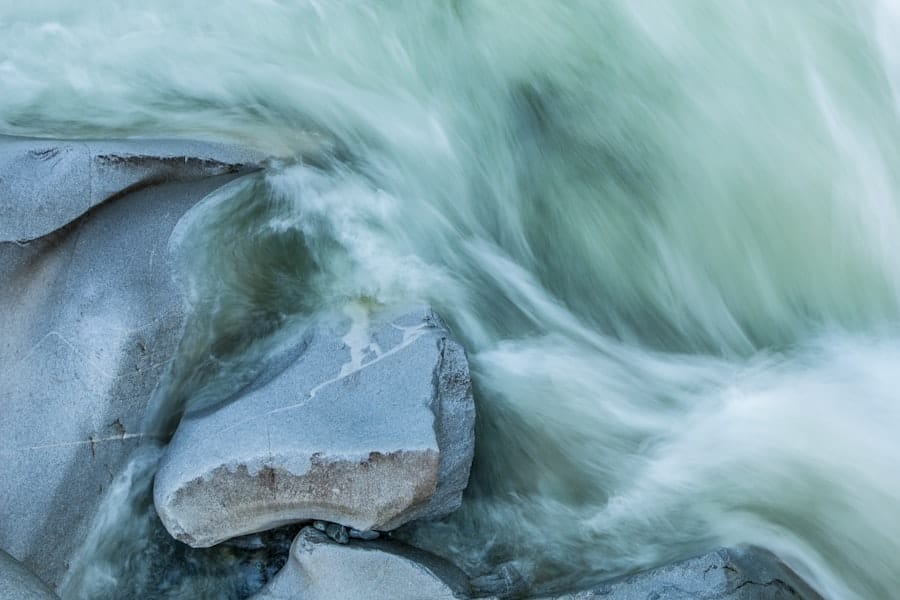
Creative activities are perhaps the most fertile ground for experiencing flow. Whether you’re strumming a guitar, sculpting clay into something resembling art (or at least an abstract interpretation), or writing the next great novel (or perhaps just a blog post), creativity thrives on immersion. In these moments of creation, we often lose ourselves entirely; the outside world fades away as we pour our hearts into our work.
To cultivate flow in creative pursuits, it’s essential to embrace experimentation and playfulness. Allow yourself to make mistakes; after all, some of the greatest masterpieces were born from happy accidents (thank you very much, Bob Ross). Set aside time for unstructured creative exploration—no pressure to produce something “worthy.” This freedom can lead to unexpected breakthroughs and moments of pure joy as you discover new facets of your creativity.
So grab that paintbrush or pen and let your imagination run wild; who knows what wonders await?
Overcoming obstacles to experiencing flow
While the allure of flow is undeniable, obstacles often lurk around every corner like pesky gremlins ready to sabotage our efforts. Distractions abound—be it the siren call of social media or the incessant notifications from your phone reminding you that someone has liked your latest post about your cat’s latest antics (which is undoubtedly important but not quite as crucial as achieving flow). To overcome these hurdles, one must cultivate discipline and mindfulness.
Establishing boundaries is key; designate specific times for focused work and stick to them like glue (or perhaps more like superglue). Create rituals that signal the beginning of your flow state—this could be as simple as brewing a cup of tea or lighting a candle. Additionally, practice mindfulness techniques to train your brain to stay present; meditation can be an excellent tool for honing this skill.
Embracing the power of flow
In conclusion, embracing the power of flow can transform our lives from mundane routines into vibrant tapestries woven with creativity and joy. Mihaly Csikszentmihalyi’s insights remind us that we have the ability to shape our experiences by seeking out activities that ignite our passions and engaging fully with them. Whether at work or during leisure time, finding ways to tap into this state can lead to increased productivity, enhanced creativity, and an overall sense of fulfilment.
May we all strive to find those moments where time stands still and we are fully immersed in what we love—because life is far too short to spend it merely existing when we could be thriving in a state of glorious flow!
FAQs
Who is Mihaly Csikszentmihalyi?
Mihaly Csikszentmihalyi was a Hungarian-American psychologist best known for his research on the concept of “flow,” a state of complete immersion and optimal experience in an activity.
What is the concept of flow?
Flow is a psychological state where a person is fully engaged, focused, and absorbed in an activity, often leading to a sense of enjoyment and fulfilment. It is characterised by a balance between challenge and skill.
How did Mihaly Csikszentmihalyi develop the theory of flow?
Csikszentmihalyi developed the theory of flow through extensive research involving interviews and observations of people engaged in various activities, including artists, athletes, and musicians, to understand what makes experiences deeply rewarding.
What are the key characteristics of flow?
Key characteristics of flow include intense concentration, a merging of action and awareness, a loss of self-consciousness, a sense of control, distortion of time perception, and intrinsic motivation.
In which fields is the concept of flow applied?
The concept of flow is applied in various fields such as psychology, education, sports, workplace productivity, and the arts to enhance performance and personal satisfaction.
Can anyone experience flow?
Yes, anyone can experience flow by engaging in activities that provide a good balance between their skill level and the challenge presented, allowing them to become fully absorbed in the task.
What benefits are associated with experiencing flow?
Experiencing flow can lead to increased happiness, improved performance, greater creativity, enhanced learning, and a stronger sense of personal fulfilment.
Is flow related to mindfulness?
While both flow and mindfulness involve focused attention, flow is characterised by complete immersion in an activity with a loss of self-awareness, whereas mindfulness emphasises present-moment awareness and acceptance.
Where can I learn more about Mihaly Csikszentmihalyi’s work?
You can learn more by reading Csikszentmihalyi’s books such as “Flow: The Psychology of Optimal Experience,” as well as academic articles and interviews available through educational and psychological resources.