
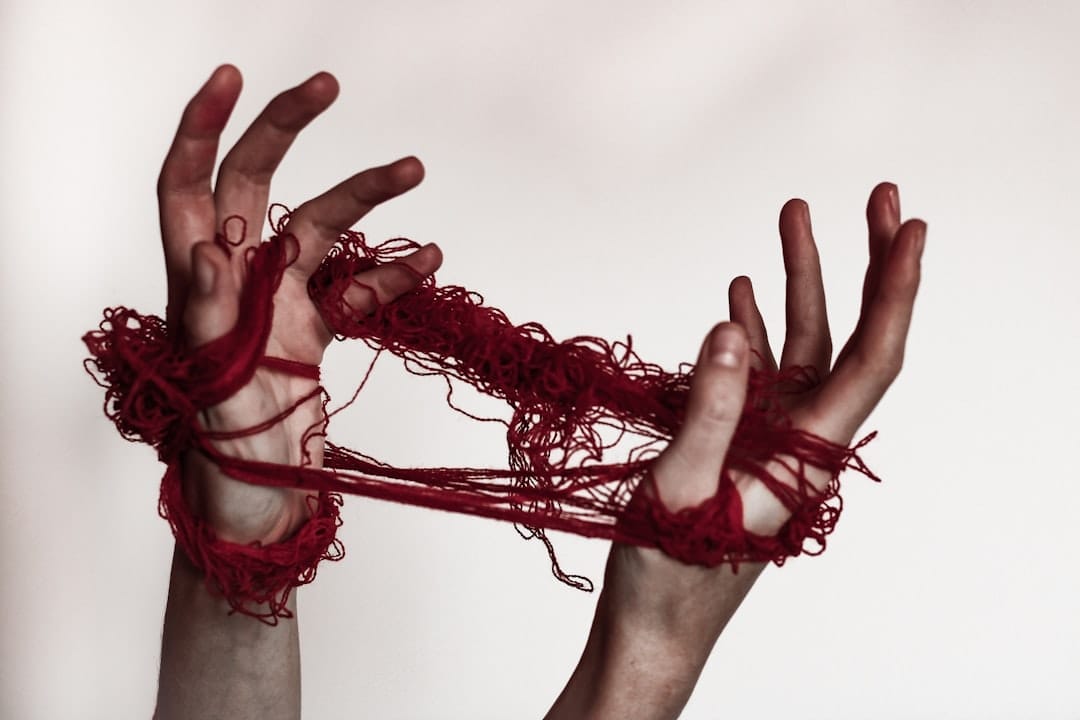
Pop culture is like a giant, glittering magnet, drawing in the masses with its shiny allure and tantalising promises of connection and belonging. It’s a phenomenon that transcends age, geography, and even common sense, weaving itself into the very fabric of our daily lives. From the latest chart-topping hits to viral TikTok dances, pop culture shapes our thoughts, behaviours, and even our identities. It’s a powerful force that can inspire movements, ignite passions, and sometimes, lead us down the rabbit hole of obsession. But what is it about pop culture that holds such sway over our minds?
At its core, pop culture serves as a mirror reflecting societal values, aspirations, and anxieties. It encapsulates the zeitgeist of an era, allowing us to make sense of the world around us. When we engage with pop culture—be it through music, film, or social media—we are not merely passive consumers; we are active participants in a shared narrative. This collective experience fosters a sense of community and belonging, as we bond over our favourite shows or debate the merits of the latest blockbuster. However, this connection can also lead to a blurring of lines between personal identity and cultural consumption, raising questions about authenticity and self-perception in an age where our lives are often curated for public consumption.
Summary
- Pop culture profoundly influences our thoughts and behaviours by tapping into shared societal values and emotions.
- Celebrity culture captivates us due to psychological factors like admiration, aspiration, and social identity.
- Nostalgia strengthens our emotional bonds with pop culture, providing comfort and a sense of continuity.
- Social media intensifies pop culture obsession, impacting mental health through constant exposure and social comparison.
- Fandom is driven by a need for belonging, identity, and emotional fulfilment, but can also lead to unhealthy obsession.
The Psychological Appeal of Celebrity Culture: Why We’re Drawn to Famous Figures
Ah, celebrities—the glittering demigods of our modern age! They strut across our screens, flaunting their wealth and beauty while we sit in our living rooms, popcorn in hand, dreaming of a life that seems just out of reach. But what is it about these famous figures that captivates us so? The allure of celebrity culture lies in its ability to provide an escape from the mundane realities of everyday life. For many, celebrities represent an idealised version of success, happiness, and glamour that we yearn for but often feel we can never attain.
Moreover, celebrities serve as a form of social currency. In a world where status is often determined by likes and followers, knowing the latest gossip about a celebrity can elevate one’s standing in social circles. This phenomenon is not merely superficial; it taps into our innate desire for connection and validation. When we idolise celebrities, we project our hopes and dreams onto them, creating a psychological bond that can feel deeply personal. Yet this relationship is often one-sided; while we invest emotionally in their lives, they remain blissfully unaware of our existence. This paradox can lead to feelings of inadequacy and longing as we compare our own lives to the curated perfection presented by these public figures.
The Role of Nostalgia in Pop Culture: How it Shapes Our Psychological Connection

Nostalgia is a powerful emotion that can transport us back to simpler times when life felt less complicated—like when we were blissfully unaware of adult responsibilities and the existential dread that comes with them. Pop culture taps into this sentiment with remarkable finesse, often reviving trends from yesteryear to evoke feelings of warmth and familiarity. Whether it’s a reboot of a beloved television series or a resurgence of 90s fashion, nostalgia serves as a comforting balm for our frayed nerves in an ever-changing world.
This psychological connection to nostalgia is not merely sentimental; it has profound implications for our mental well-being. Engaging with nostalgic pop culture can provide a sense of continuity and stability in our lives. It reminds us of who we are and where we come from, reinforcing our identities in a rapidly evolving society. However, there’s a fine line between healthy nostalgia and unhealthy fixation. When we cling too tightly to the past, we risk becoming trapped in a cycle of longing for what once was rather than embracing the present and future. Thus, while nostalgia can be a source of comfort, it can also hinder personal growth if we allow it to overshadow our current experiences.
The Impact of Social Media on Pop Culture Obsession: Exploring the Psychological Effects

In the age of social media, pop culture has become more accessible than ever before. Platforms like Instagram, Twitter, and TikTok have transformed the way we consume and engage with cultural phenomena. No longer are we passive observers; we are active participants in shaping trends and conversations. This shift has profound psychological implications, as social media amplifies our obsessions and creates echo chambers where certain narratives thrive while others fade into obscurity.
The immediacy of social media can lead to an intensified sense of urgency around pop culture phenomena. When a new series drops on Netflix or a celebrity scandal breaks, the race to consume and comment on it becomes a collective frenzy.
This can create a dopamine-fuelled cycle where the thrill of being “in the know” drives us to engage more deeply with pop culture content.
However, this constant barrage of information can also lead to feelings of anxiety and inadequacy as we struggle to keep up with the latest trends. The pressure to curate our online personas can result in a distorted sense of self-worth tied to our engagement with pop culture—a dangerous game that can leave us feeling more isolated than connected.
The Psychology of Fandom: What Drives People to Devote Themselves to a Pop Culture Phenomenon
Fandom is a curious beast—an all-consuming passion that can transform ordinary individuals into fervent devotees willing to go to great lengths for their beloved pop culture icons. But what drives this level of devotion?
At its core, fandom provides a sense of belonging and community that many people crave. In an increasingly fragmented world, fans find solace in shared interests and collective experiences that transcend geographical boundaries.
Moreover, fandom often serves as an outlet for self-expression and identity exploration. For many fans, their chosen pop culture phenomenon becomes intertwined with their personal narratives, shaping their values and beliefs. This deep emotional investment can foster resilience and provide comfort during challenging times. However, it’s essential to recognise that fandom can also lead to unhealthy behaviours when individuals become overly consumed by their obsessions. The line between passion and obsession can blur quickly, leading some fans to engage in toxic behaviours or alienate those around them in pursuit of their interests.
The Dark Side of Pop Culture: Examining the Psychological Risks of Obsession
While pop culture can be a source of joy and connection, it also harbours a darker side—one that reveals the psychological risks associated with obsession. When individuals become overly fixated on pop culture phenomena or celebrities, they may neglect other aspects of their lives, leading to isolation and disconnection from reality. This phenomenon is particularly pronounced among younger audiences who may struggle to differentiate between their online personas and their true selves.
Moreover, the pressure to conform to societal expectations surrounding pop culture can lead to feelings of inadequacy and low self-esteem. As individuals compare themselves to idealised representations presented in media—be it through flawless Instagram feeds or glamorous red carpet appearances—they may internalise unrealistic standards that contribute to mental health issues such as anxiety and depression. The quest for validation through pop culture engagement can become an exhausting cycle that ultimately detracts from genuine self-acceptance and personal growth.
The Evolution of Pop Culture: How Psychological Trends Shape and are Shaped by Media
Pop culture is not static; it evolves in tandem with societal changes and psychological trends. As our collective consciousness shifts—whether due to technological advancements or cultural movements—so too does the landscape of pop culture. For instance, the rise of social justice movements has influenced the types of narratives we see in film and television, pushing for greater representation and inclusivity in storytelling.
Conversely, pop culture also shapes psychological trends by reflecting societal anxieties and aspirations back at us. The themes explored in popular media often resonate with our lived experiences, providing insight into our collective psyche. As we grapple with issues such as climate change or political unrest, pop culture serves as both a mirror and a catalyst for change—challenging us to confront uncomfortable truths while also offering escapism from the chaos of reality.
The Future of Pop Culture Psychology: Predicting the Next Wave of Cultural Fascination
As we look ahead to the future of pop culture psychology, one thing is certain: change is inevitable. With advancements in technology continuing to reshape how we consume media—think virtual reality experiences or AI-generated content—the landscape will undoubtedly evolve in ways we cannot yet fully comprehend. However, one trend seems likely: an increasing emphasis on authenticity and mental health awareness within pop culture narratives.
As audiences become more discerning about the content they consume, there will likely be a growing demand for stories that reflect genuine human experiences rather than idealised fantasies. This shift could pave the way for more diverse voices and perspectives within mainstream media—challenging traditional norms while fostering greater empathy and understanding among audiences. Ultimately, the future of pop culture psychology will hinge on our ability to navigate this complex interplay between cultural consumption and psychological well-being—a balancing act that will require both introspection and innovation as we continue to shape our collective narrative in an ever-changing world.
FAQs
What is pop psychology?
Pop psychology refers to psychological concepts and theories that are presented in a simplified and accessible manner for the general public. It often appears in books, magazines, television shows, and online media, aiming to explain human behaviour and mental processes in everyday language.
How does pop psychology differ from academic psychology?
Pop psychology simplifies complex psychological research and theories to make them more understandable to a broad audience. In contrast, academic psychology relies on rigorous scientific methods, peer-reviewed studies, and detailed analysis. Pop psychology may sometimes lack the depth and accuracy found in scholarly work.
Is pop psychology considered reliable?
While pop psychology can provide useful insights and raise awareness about mental health and behaviour, it is not always reliable. Some information may be oversimplified, exaggerated, or based on anecdotal evidence rather than scientific research. It is important to consult qualified professionals or academic sources for accurate psychological advice.
What are common topics covered in pop psychology?
Common topics in pop psychology include self-help strategies, personality traits, relationships, motivation, emotional well-being, and cognitive biases. These subjects are often presented with practical tips and relatable examples to engage a wide audience.
Can pop psychology be helpful for personal development?
Yes, pop psychology can be helpful for personal development by introducing concepts that encourage self-reflection and positive behavioural changes. However, it should be used as a supplementary resource rather than a substitute for professional psychological treatment or academic study.