
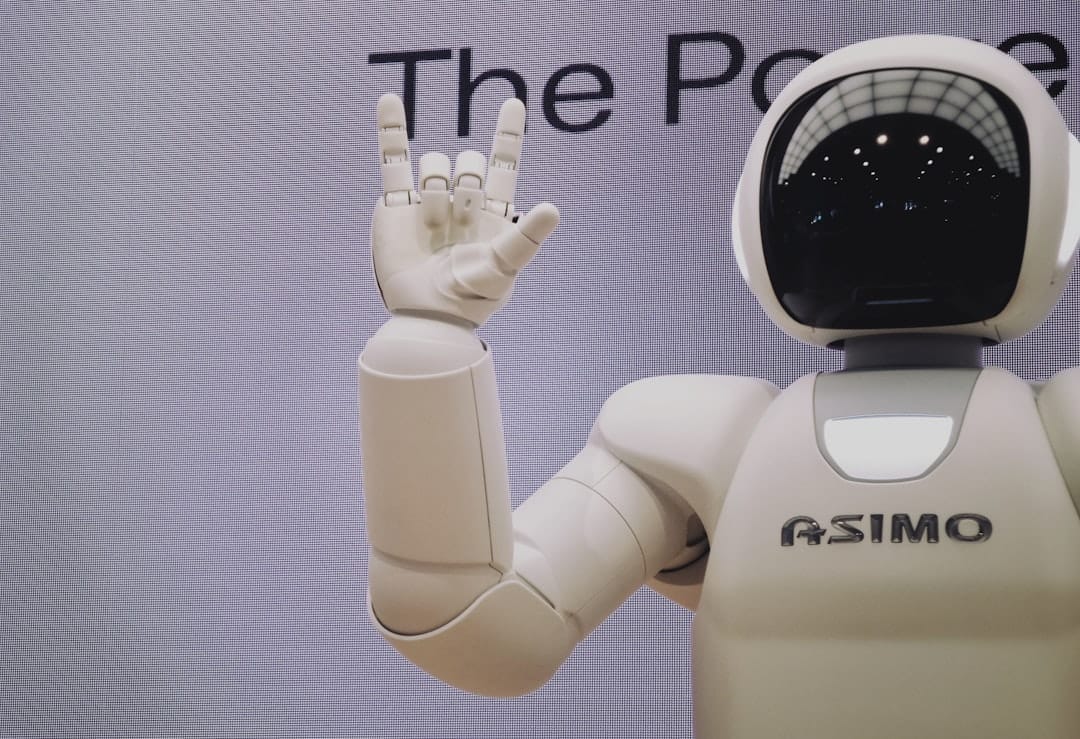
Artificial Intelligence (AI) has become the buzzword of the 21st century, a term that evokes both awe and trepidation.
This guest, with its uncanny ability to learn, adapt, and sometimes outsmart us, has the potential to revolutionise every aspect of our lives.
From the way we work to how we interact with one another, AI is not just a tool; it’s a transformative force that challenges our understanding of intelligence itself. As we stand on the precipice of this technological revolution, it’s essential to explore the myriad ways AI is reshaping industries and what that means for our future. In this brave new world, AI is not merely a futuristic concept confined to the realms of science fiction.
It’s here, and it’s making waves across various sectors. The question is no longer whether AI will impact our lives but rather how profoundly it will do so. As decision-makers, CEOs, and company owners, it’s crucial to embrace this change with open arms and a healthy dose of curiosity.
After all, resisting the tide of progress is akin to trying to hold back the ocean with a bucket. So, let’s dive into the fascinating world of AI and uncover its potential to revolutionise industries.
Summary
- Artificial Intelligence (AI) refers to the simulation of human intelligence processes by machines, particularly computer systems.
- In healthcare, AI is revolutionising patient care through predictive analytics, personalised treatment plans, and medical imaging analysis.
- AI is transforming manufacturing and automation by enabling predictive maintenance, quality control, and autonomous robots in production lines.
- The impact of AI on customer service includes chatbots, virtual assistants, and predictive analytics for personalised customer experiences.
- In finance and banking, AI is used for fraud detection, risk assessment, algorithmic trading, and customer service automation.
- The future of AI in transportation and logistics includes autonomous vehicles, route optimisation, and predictive maintenance for fleets.
- Ethical considerations and challenges of AI include data privacy, algorithmic bias, job displacement, and the potential for misuse of AI technologies.
- AI has the potential to revolutionise industries by improving efficiency, reducing costs, and enabling new capabilities that were previously impossible.
The Role of Artificial Intelligence in Healthcare
Enhancing Capabilities and Improving Patient Care
From analysing medical images to predicting patient outcomes, artificial intelligence is enhancing the capabilities of healthcare professionals and improving patient care in ways we never thought possible.
The Challenges of AI Integration
However, as we embrace these advancements, we must also acknowledge the challenges that come with them. The integration of artificial intelligence into healthcare raises questions about data privacy, ethical considerations, and the potential for bias in algorithms.
Navigating Complexities with Caution and Transparency
After all, we wouldn’t want an AI system deciding our fate based on flawed data or outdated assumptions. It’s imperative for healthcare leaders to navigate these complexities with caution and transparency, ensuring that the benefits of artificial intelligence are realised without compromising patient trust or safety.
Artificial Intelligence in Manufacturing and Automation

When it comes to manufacturing and automation, AI is like a well-oiled machine—pun intended. The industry has long been synonymous with efficiency and productivity, but AI takes this to a whole new level. With smart robots and predictive maintenance systems, manufacturers can optimise their operations, reduce downtime, and enhance product quality.
Picture a factory floor where machines communicate seamlessly with one another, anticipating issues before they arise and adjusting processes in real-time. This is not just a dream; it’s the future of manufacturing powered by AI. Yet, as we marvel at these advancements, we must also confront the elephant in the room: job displacement.
The rise of automation has sparked fears that machines will replace human workers en masse. While it’s true that some jobs may become obsolete, it’s essential to recognise that AI also creates new opportunities. The key lies in reskilling and upskilling the workforce to adapt to this changing landscape.
Rather than fearing the machines, we should embrace them as partners in progress, working together to build a more efficient and innovative manufacturing sector.
The Impact of Artificial Intelligence on Customer Service
In the world of customer service, AI is transforming the way businesses interact with their clients. Gone are the days of long hold times and frustrating automated phone menus. Today’s consumers expect instant gratification, and AI is stepping up to meet those demands.
Chatbots and virtual assistants are now commonplace, providing 24/7 support and resolving issues at lightning speed. Imagine having a personal assistant who never sleeps, never takes a break, and always remembers your preferences—this is the reality that AI brings to customer service.
Customers still crave genuine interactions and empathy, especially when dealing with complex issues. Striking the right balance between automation and human engagement is essential for businesses looking to build lasting relationships with their customers. After all, no one wants to feel like they’re talking to a robot—unless they’re ordering pizza from a futuristic pizzeria.
Artificial Intelligence in Finance and Banking
The finance and banking sector has long been at the forefront of technological innovation, but AI is taking things up a notch. From fraud detection to algorithmic trading, AI is revolutionising how financial institutions operate. Imagine a world where suspicious transactions are flagged in real-time, where investment strategies are optimised by machine learning algorithms, and where personalised financial advice is just a click away.
This is not just wishful thinking; it’s the reality that AI is helping to create in the financial landscape. Yet, as we embrace these advancements, we must also grapple with the ethical implications of AI in finance. The use of algorithms can lead to unintended consequences, such as discrimination in lending practices or market manipulation.
It’s imperative for financial leaders to approach AI with caution and responsibility, ensuring that their systems are transparent and fair. After all, trust is the currency of finance, and any erosion of that trust can have far-reaching consequences.
The Future of Artificial Intelligence in Transportation and Logistics
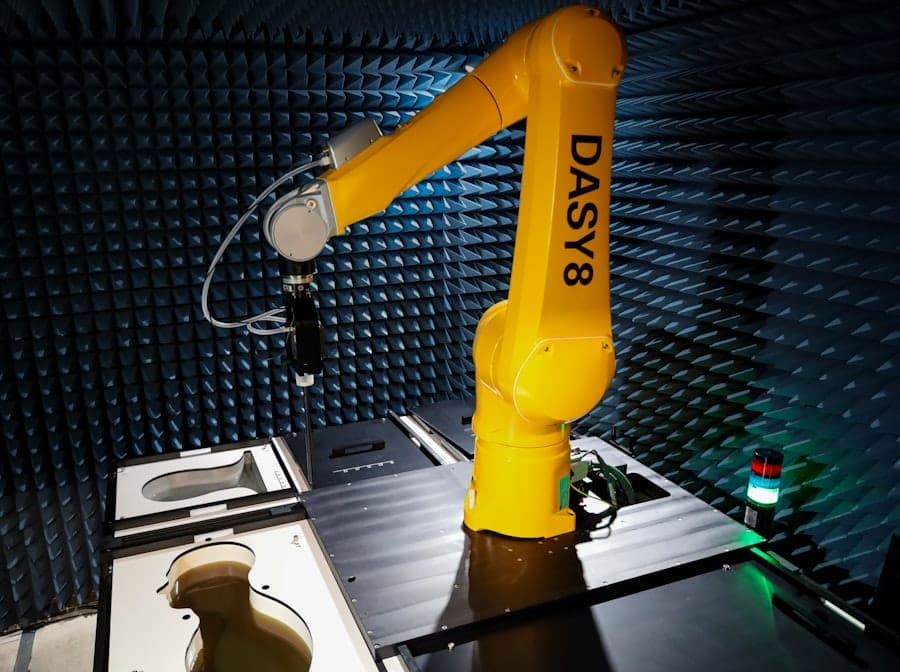
Streamlining Operations with Predictive Analytics
With predictive analytics and real-time data processing, logistics companies can streamline their operations and deliver goods more efficiently than ever before.
Challenges Ahead
However, as we embrace this brave new world of transport powered by AI, we must also consider the challenges that lie ahead. Issues such as regulatory hurdles, infrastructure limitations, and public acceptance will play a crucial role in shaping the future of autonomous vehicles and smart logistics systems.
Collaboration and Innovation
It’s essential for industry leaders to engage with policymakers and stakeholders to create an environment conducive to innovation while addressing concerns about safety and ethics.
Ethical Considerations and Challenges of Artificial Intelligence
As we navigate the exciting landscape of AI innovation, we must also confront the ethical considerations that accompany these advancements. The rapid development of AI technologies raises important questions about accountability, transparency, and bias. Who is responsible when an autonomous vehicle gets into an accident?
How do we ensure that algorithms are free from bias and discrimination? These are not just theoretical dilemmas; they are real challenges that require thoughtful solutions. Moreover, as decision-makers in various industries embrace AI, it’s crucial to foster a culture of ethical responsibility within organisations.
This means prioritising diversity in tech teams, conducting regular audits of algorithms for fairness, and engaging in open dialogue about the implications of AI on society. By taking proactive steps to address these challenges, we can harness the power of AI while ensuring that it serves as a force for good rather than a source of division.
The Potential of Artificial Intelligence in Revolutionising Industries
In conclusion, artificial intelligence holds immense potential to revolutionise industries across the board. From healthcare to finance, manufacturing to transportation, AI is reshaping how we work and live in ways we could only dream of a few decades ago. However, as we embrace this technological revolution, it’s essential to approach it with both enthusiasm and caution.
By fostering a culture of innovation while prioritising ethical considerations, we can unlock the full potential of AI while ensuring that it benefits society as a whole. As decision-makers and leaders in your respective fields, you have the power to shape the future of AI in your industries. Embrace change with courage and vision; after all, progress often comes from stepping outside our comfort zones.
Let us not shy away from the challenges ahead but rather face them head-on with creativity and determination. The future is bright for those willing to harness the power of artificial intelligence—so let’s roll up our sleeves and get to work!