

Human emotions are a labyrinthine tapestry, woven from threads of joy, sorrow, anger, and love, each hue contributing to the intricate design of our psychological landscape. At first glance, one might assume that emotions are straightforward, easily categorised into neat boxes labelled ‘happy’, ‘sad’, or ‘angry’. However, delve a little deeper, and you’ll find that emotions are more akin to a chaotic artist’s palette, where colours bleed into one another, creating shades that defy simple classification. Take, for instance, the bittersweet feeling of nostalgia—a cocktail of happiness and sadness that can leave one simultaneously smiling and weeping. It’s a reminder that our emotional experiences are rarely black and white; they exist in a spectrum of greys, often leaving us perplexed and questioning our own feelings.
Moreover, the complexity of human emotions is compounded by the fact that they are not static. They ebb and flow like the tides, influenced by a myriad of factors including our environment, relationships, and even the weather. One moment you might feel elated after receiving good news, only to be plunged into despair by a fleeting thought or an unexpected event. This emotional volatility can be both exhilarating and exhausting, leading to a rollercoaster of experiences that can leave us feeling disoriented. Understanding this complexity is crucial; it allows us to navigate our emotional landscape with greater awareness and empathy towards ourselves and others. After all, if we can appreciate the intricate dance of emotions within ourselves, we may just find it easier to extend that understanding to those around us.
Summary
- Human emotions are intricate and influenced by multiple internal and external factors.
- Early childhood experiences significantly shape adult behaviour and personality.
- Cognitive biases often affect our decision-making processes unconsciously.
- Social and cultural environments play a crucial role in psychological development.
- Self-awareness and emotional intelligence are vital for effective personal growth.
The Influence of Childhood Experiences on Adult Behaviour
Childhood is often described as the formative period of our lives, a time when our experiences lay the groundwork for our future selves. It’s a bit like planting a garden; the seeds we sow in our early years can blossom into beautiful flowers or become tangled in weeds that choke our potential. The influence of childhood experiences on adult behaviour is profound and multifaceted. For instance, a child raised in a nurturing environment may grow into an adult who is confident and secure in their relationships. Conversely, a child who faces neglect or trauma may carry the scars of their early experiences into adulthood, manifesting as anxiety or difficulty in forming healthy connections.
Yet, it’s not merely the presence or absence of nurturing that shapes us; it’s also the lessons we learn from our surroundings. Children are astute observers, soaking up the behaviours and attitudes of those around them like sponges. If they witness kindness and empathy, they are likely to emulate those traits. However, if they are exposed to hostility or indifference, they may internalise those patterns, leading to a cycle of dysfunction that can be hard to break. This is where the irony lies: while we often believe we are masters of our own destinies, much of our adult behaviour is intricately linked to the experiences we had as children. Recognising this connection can be both liberating and daunting; it offers the possibility of change while also highlighting the weight of our past.
The Role of Cognitive Biases in Decision Making

Cognitive biases are like the mischievous gremlins of our minds, subtly distorting our perceptions and influencing our decisions without us even realising it. These mental shortcuts can lead us astray, causing us to make choices based on flawed reasoning rather than objective reality. For example, the confirmation bias tempts us to seek out information that supports our pre-existing beliefs while ignoring evidence that contradicts them. It’s as if we’re wearing rose-tinted glasses that filter out anything unpleasant or inconvenient. This bias can be particularly insidious in today’s information age, where social media algorithms curate content that reinforces our views, creating echo chambers that further entrench our biases.
Moreover, cognitive biases can lead to a host of irrational behaviours that would make even the most seasoned psychologist raise an eyebrow. Take the sunk cost fallacy, for instance—our tendency to continue investing in a losing proposition simply because we’ve already poured time or resources into it. It’s akin to clinging to a sinking ship because you’ve already bought a ticket for the voyage. This irrationality can have far-reaching consequences in both personal and professional contexts, leading us to make decisions that are less about logic and more about emotional attachment. By becoming aware of these cognitive biases, we can begin to untangle the web of irrationality that often ensnares us in our decision-making processes.
The Impact of Social and Cultural Factors on Psychological Development
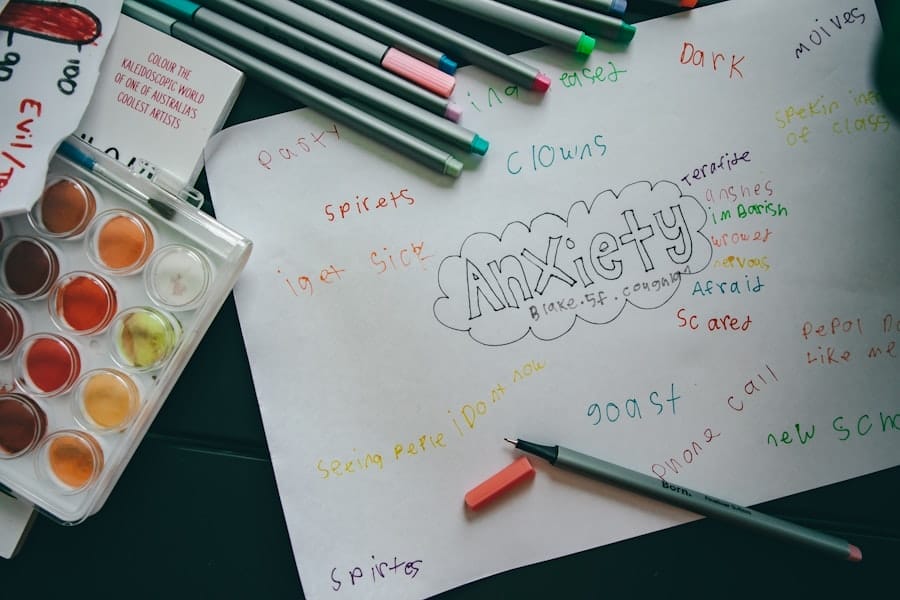
Social and cultural factors play an undeniable role in shaping our psychological development, acting as both scaffolding and constraints as we navigate through life.
From the moment we take our first breath, we are thrust into a world rich with cultural narratives that inform our beliefs, values, and behaviours.
These narratives can vary dramatically from one culture to another; what is considered normal in one society may be viewed as eccentric or even taboo in another. For instance, collectivist cultures often emphasise community and familial ties over individualism, which can profoundly influence how individuals perceive their roles within society.
Furthermore, social factors such as socioeconomic status can significantly impact psychological development. Children raised in affluent environments may have access to resources that foster creativity and exploration, while those from disadvantaged backgrounds may face barriers that stifle their potential. This disparity can lead to a cycle of disadvantage that perpetuates itself across generations. Ironically, while we often celebrate individual achievement as a hallmark of success, it is essential to recognise the myriad social and cultural factors at play that contribute to these outcomes. By understanding these influences, we can cultivate greater empathy for others’ experiences and work towards creating a more equitable society.
The Interplay of Nature and Nurture in Shaping Personality
The age-old debate between nature and nurture continues to captivate psychologists and laypeople alike—like an eternal tug-of-war between genetics and environment in shaping who we are. On one hand, nature proponents argue that our genetic makeup lays the foundation for our personality traits; after all, some people seem to be born with an innate propensity for extroversion or introversion. On the other hand, nurture advocates contend that our environment plays a pivotal role in moulding our personalities through experiences and social interactions. The truth lies somewhere in between; it’s not an either-or scenario but rather an intricate dance between genetic predispositions and environmental influences.
Consider the case of identical twins raised apart—these fascinating studies reveal how both nature and nurture contribute to personality development. While twins may share similar genetic traits, their differing environments can lead to divergent personalities. One twin might thrive in a supportive household filled with encouragement, while the other may struggle in a more challenging environment. This interplay highlights the complexity of personality formation; it’s not merely about inherited traits but also about how those traits interact with life experiences. Embracing this nuanced understanding allows us to appreciate the rich tapestry of human personality while acknowledging the myriad factors that contribute to its development.
The Psychological Mechanisms Behind Stress and Coping Strategies
Stress is an inevitable part of life—a bit like an uninvited guest who shows up at your door with no intention of leaving anytime soon.
Our bodies are equipped with intricate psychological mechanisms designed to respond to stressors; however, these mechanisms can sometimes feel like a double-edged sword.
On one hand, stress can motivate us to meet deadlines or tackle challenges head-on; on the other hand, chronic stress can lead to burnout and a host of physical ailments. Understanding how stress operates within us is crucial for developing effective coping strategies that allow us to manage its impact on our lives.
Coping strategies can be broadly categorised into two types: problem-focused and emotion-focused coping. Problem-focused coping involves tackling the source of stress directly—think of it as putting on your superhero cape and confronting challenges with gusto. Emotion-focused coping, on the other hand, involves managing your emotional response to stressors—perhaps by engaging in mindfulness practices or seeking support from friends. The irony here is that while we often strive for problem-solving approaches in our fast-paced lives, sometimes it’s the emotional aspect that requires just as much attention. By recognising the psychological mechanisms behind stress and employing a balanced approach to coping strategies, we can navigate life’s challenges with greater resilience.
The Connection Between Mental Health and Physical Well-being
The mind-body connection is a fascinating realm where psychology meets physiology—a relationship so intertwined that it often feels like they’re dancing together at a grand ball. Mental health and physical well-being are not separate entities; rather, they influence one another in profound ways. For instance, individuals grappling with anxiety or depression may experience physical symptoms such as fatigue or chronic pain—a reminder that our mental state can manifest in tangible ways within our bodies. Conversely, poor physical health can exacerbate mental health issues; think about how difficult it is to maintain a positive outlook when you’re battling illness or discomfort.
This connection underscores the importance of holistic approaches to health—where mental well-being is treated with the same seriousness as physical ailments. Engaging in regular exercise has been shown to boost mood and alleviate symptoms of anxiety and depression; it’s as if physical activity acts as a natural antidote for mental distress. Additionally, practices such as yoga or mindfulness meditation bridge the gap between mind and body by promoting relaxation and self-awareness. The irony lies in how often we prioritise physical health over mental health; yet both are essential components of overall well-being. By recognising this interconnectedness, we can foster healthier lifestyles that nurture both our minds and bodies.
The Importance of Self-awareness and Emotional Intelligence in Personal Growth
Self-awareness is often heralded as the cornerstone of personal growth—a beacon guiding us through the murky waters of self-discovery. It involves recognising our thoughts, feelings, and behaviours while understanding how they impact ourselves and those around us. This level of introspection can be both enlightening and uncomfortable; after all, facing one’s flaws is rarely a pleasant experience. However, embracing self-awareness allows us to identify patterns in our behaviour that may be holding us back from reaching our full potential.
Emotional intelligence complements self-awareness by enabling us to navigate social interactions with empathy and understanding. It’s not just about recognising our own emotions but also about tuning into the feelings of others—a skill that can transform relationships both personally and professionally. The irony here is that while we often pride ourselves on being rational beings guided by logic, it’s often our emotional intelligence that leads to more meaningful connections with others. By cultivating self-awareness and emotional intelligence, we embark on a journey of personal growth that enriches not only our own lives but also those around us—creating ripples of positivity in an often chaotic world.
In conclusion, understanding human behaviour is akin to peeling back layers of an onion—each layer revealing new complexities and insights into what makes us tick. From childhood experiences shaping adult behaviour to the interplay between nature and nurture in personality development, each facet contributes to the rich tapestry of human existence. By embracing these complexities with humour and empathy, we can navigate life’s challenges with greater awareness and compassion for ourselves and others—a journey worth embarking upon for anyone seeking personal growth amidst life’s delightful chaos.