
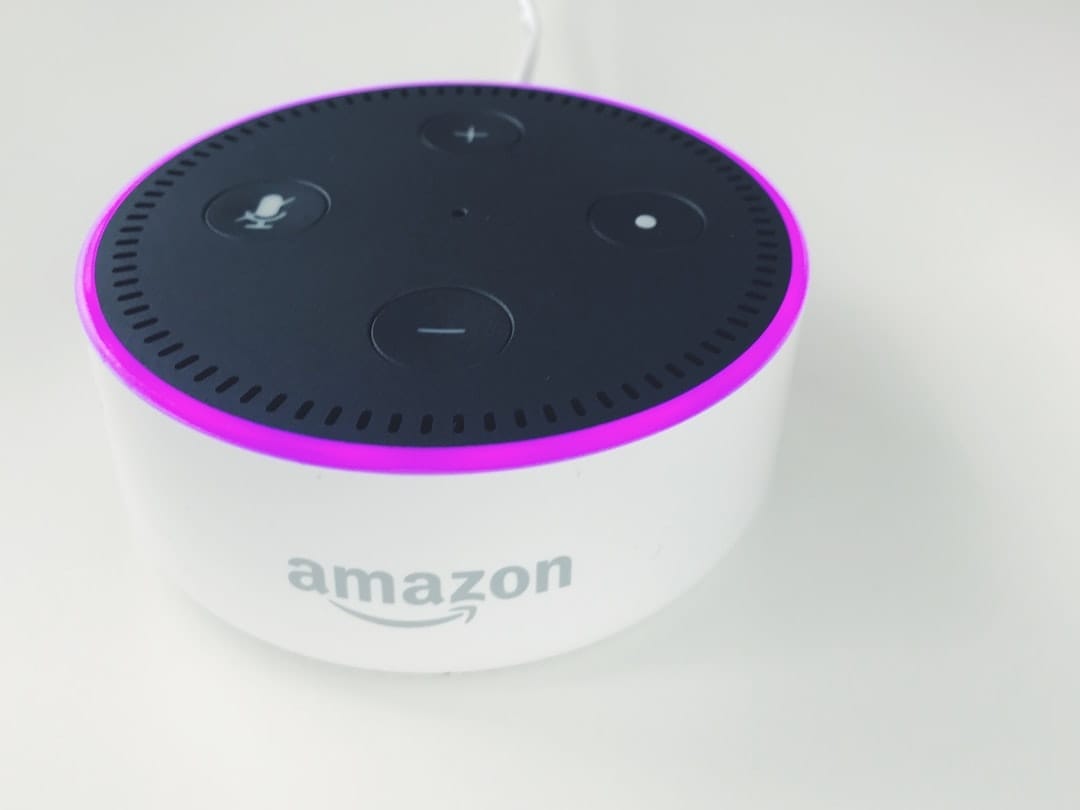
The journey of virtual assistants is akin to a rollercoaster ride through the annals of technology, with its fair share of dizzying highs and stomach-churning lows. Initially, the concept of a virtual assistant was as foreign as a cat at a dog show. In the early days, these digital helpers were little more than glorified calculators, performing basic tasks like setting reminders or managing calendars.
They were the equivalent of a helpful but slightly dim-witted intern who could only fetch coffee and occasionally remember your birthday. However, as technology advanced, so did the capabilities of these virtual companions. Fast forward to today, and virtual assistants have evolved into sophisticated entities capable of understanding natural language, learning from user interactions, and even predicting needs before they arise.
They’ve gone from being mere tools to becoming integral members of the workplace ecosystem. Imagine having a colleague who never sleeps, never takes a holiday, and is always ready to assist you with a smile (or at least a friendly tone). This evolution has not only transformed how we work but has also raised questions about the future of human roles in the workplace.
Are we on the brink of a dystopian future where humans are relegated to the sidelines while our digital counterparts take centre stage? Or is this merely the next step in our ongoing quest for efficiency?
Summary
- Virtual assistants have evolved from simple chatbots to sophisticated AI-powered tools that can perform a wide range of tasks.
- Virtual assistants can increase productivity, efficiency, and flexibility in modern workplaces, allowing employees to focus on more strategic tasks.
- Artificial intelligence plays a crucial role in virtual assistants, enabling them to understand natural language, learn from interactions, and make decisions.
- Virtual assistants are essential for remote work, providing support and assistance to employees who are not physically present in the office.
- The future of virtual assistants in workplaces is promising, with advancements in AI and machine learning leading to more personalised and intuitive experiences for users.
The Benefits of Virtual Assistants in Modern Workplaces
The benefits of virtual assistants in modern workplaces are as plentiful as a buffet at an all-you-can-eat restaurant. First and foremost, they offer unparalleled efficiency. With a virtual assistant at your disposal, mundane tasks such as scheduling meetings, managing emails, and conducting research can be delegated to your digital aide, freeing up precious time for more strategic endeavours.
Imagine being able to focus on high-level decision-making while your virtual assistant handles the nitty-gritty details. It’s like having a personal assistant who never complains about overtime or asks for a raise. Moreover, virtual assistants can significantly enhance productivity across teams.
They can streamline communication, ensuring that everyone is on the same page and that important information doesn’t get lost in the abyss of email threads. This level of organisation can lead to improved collaboration and ultimately better outcomes for projects. In an age where time is money, having a virtual assistant can be the difference between meeting deadlines and missing them by a mile.
So why not embrace this technological marvel and let it work its magic in your workplace?
The Role of Artificial Intelligence in Virtual Assistants

Artificial intelligence (AI) is the secret sauce that transforms ordinary virtual assistants into extraordinary digital companions. At its core, AI enables these assistants to learn from interactions, adapt to user preferences, and even anticipate needs based on historical data. It’s like having a psychic sidekick who knows what you want before you do—minus the crystal ball and incense.
This capability not only enhances user experience but also allows for more personalised interactions, making virtual assistants feel less like robots and more like trusted allies. Furthermore, AI-driven virtual assistants can analyse vast amounts of data in real-time, providing insights that can inform decision-making processes. They can identify trends, suggest improvements, and even flag potential issues before they escalate into full-blown crises.
In a world where data is king, having an AI-powered virtual assistant is akin to having a royal advisor who can sift through mountains of information and present you with only the most relevant nuggets of wisdom. This level of intelligence not only boosts productivity but also empowers decision-makers to make informed choices that drive progress.
Virtual Assistants and Remote Work
The rise of remote work has been nothing short of revolutionary, and virtual assistants have played a pivotal role in this transformation. As teams dispersed across various locations, the need for effective communication and collaboration became paramount.
With features like video conferencing integration, task management tools, and real-time updates, virtual assistants have become indispensable allies in the remote work landscape. Moreover, virtual assistants help maintain work-life balance in an era where the lines between personal and professional life have blurred. They can manage schedules, set boundaries for work hours, and even remind users to take breaks—because let’s face it, we all need a nudge to step away from our screens occasionally.
By alleviating some of the burdens associated with remote work, virtual assistants empower employees to focus on their tasks while also prioritising their well-being. In this brave new world of work, having a virtual assistant is like having a supportive friend who gently nudges you towards productivity while reminding you to take care of yourself.
The Future of Virtual Assistants in Workplaces
As we peer into the crystal ball of workplace technology, it’s clear that the future of virtual assistants is bright—and perhaps a little bit quirky.
Imagine a future where your virtual assistant not only manages your calendar but also understands your mood based on your tone of voice or facial expressions (if you’re using video).
It could offer words of encouragement when you’re feeling overwhelmed or suggest a quick meditation session when stress levels rise. Additionally, as organisations increasingly embrace hybrid work models, virtual assistants will play an even more crucial role in bridging the gap between in-office and remote employees. They will facilitate seamless communication, ensuring that everyone feels included regardless of their physical location.
The future may even see virtual assistants taking on more complex tasks—perhaps even participating in brainstorming sessions or contributing ideas during meetings. While we may not be ready for a fully autonomous workforce just yet, it’s clear that virtual assistants will continue to evolve alongside us, shaping the way we work for years to come.
The Challenges of Implementing Virtual Assistants

Despite their many benefits, implementing virtual assistants in the workplace is not without its challenges. One significant hurdle is resistance to change—after all, humans are creatures of habit who often cling to familiar routines like a toddler clings to their favourite toy. Introducing a virtual assistant may be met with scepticism from employees who fear that their jobs are at risk or who simply prefer doing things the old-fashioned way.
Overcoming this resistance requires effective communication and education about the advantages of embracing technology rather than fearing it. Another challenge lies in ensuring that virtual assistants are properly integrated into existing systems and workflows. A poorly implemented virtual assistant can lead to confusion and frustration rather than increased efficiency.
It’s essential for organisations to invest time and resources into training employees on how to effectively utilise these tools while also ensuring that they align with overall business objectives. After all, nobody wants to be stuck with a digital assistant that’s about as useful as a chocolate teapot.
Virtual Assistants and Data Security
In an age where data breaches make headlines faster than you can say “cybersecurity,” concerns about data security are paramount when it comes to implementing virtual assistants. These digital helpers often have access to sensitive information—ranging from personal details to confidential business data—making it crucial for organisations to prioritise security measures. Implementing robust encryption protocols, regular security audits, and employee training on best practices can help mitigate risks associated with data breaches.
Moreover, organisations must carefully consider which virtual assistant solutions they choose to implement. Not all providers are created equal when it comes to data security; some may prioritise user privacy while others may treat it as an afterthought. Conducting thorough research and selecting reputable vendors can go a long way in safeguarding sensitive information while still reaping the benefits of virtual assistance.
Tips for Maximising the Potential of Virtual Assistants
To truly harness the power of virtual assistants in the workplace, organisations must adopt strategies that maximise their potential. First and foremost, it’s essential to clearly define roles and responsibilities for both human employees and their digital counterparts. Establishing boundaries ensures that everyone knows what tasks are best suited for the virtual assistant while allowing human workers to focus on higher-level responsibilities.
Additionally, fostering a culture of collaboration between human employees and virtual assistants can lead to innovative solutions and improved outcomes. Encourage employees to share feedback on their experiences with the virtual assistant—what works well? What could be improved?
This feedback loop not only helps refine the assistant’s capabilities but also empowers employees by making them feel heard and valued. Finally, organisations should remain open-minded about evolving technology trends and be willing to adapt as needed. The landscape of virtual assistance is constantly changing; staying informed about new developments will ensure that your organisation remains at the forefront of innovation rather than lagging behind.
In conclusion, embracing virtual assistants in the workplace is not just about keeping up with technological trends; it’s about fostering a culture of progress and adaptability that empowers employees while enhancing productivity. By overcoming challenges related to implementation and data security while maximising their potential through collaboration and feedback, organisations can unlock new levels of efficiency and innovation in an ever-evolving work environment. So go ahead—take that leap into the future with your digital companions by your side!