The seemingly endless pursuit of “wellness” has, for some time now, been a bit of a gold rush. From kale smoothies that taste suspiciously like lawn clippings to meditation apps that demand your firstborn child in exchange for monthly serenity, we’ve seen it all. But as the dust settles on the era of aggressive self-optimization, a quieter, perhaps more profound shift is underway. We’re moving, if you will, from shouting at our bodies to whispering with them. This is the ascendant realm of holistic therapy, a movement that’s less about hacking your biological code and more about reconnecting with it.
For too long, our approach to wellbeing has been akin to a chef meticulously preparing a Michelin-star meal for a diner who refuses to acknowledge the plate. We’ve talked, we’ve theorised, we’ve analyzed, but often, the deepest aches and traumas have remained stubbornly lodged in the physical realm, like stubborn uninvited guests at a party. The latest currents in wellness are finally acknowledging that the body isn’t just a vehicle for the mind; it’s a sentient archive, a living library of our experiences. [1] This is where somatic therapy, once a niche practice, is stepping into the spotlight.
Somatics: Where the Rubber Meets the Road (and the Gut, and the Shoulders)
One might argue that the sheer volume of abstract self-help literature, while well-intentioned, has often left us feeling rather disembodied. We’ve been offered blueprints for mental architecture, but have forgotten the foundations were built on flesh and bone. Somatic therapy, in essence, brings us back to the bedrock. It posits that trauma, stress, and emotional distress aren’t just abstract psychological states; they are experiences that manifest physically. Think of it as a deep-tissue massage for your soul, but with a much more sophisticated understanding of the nervous system.
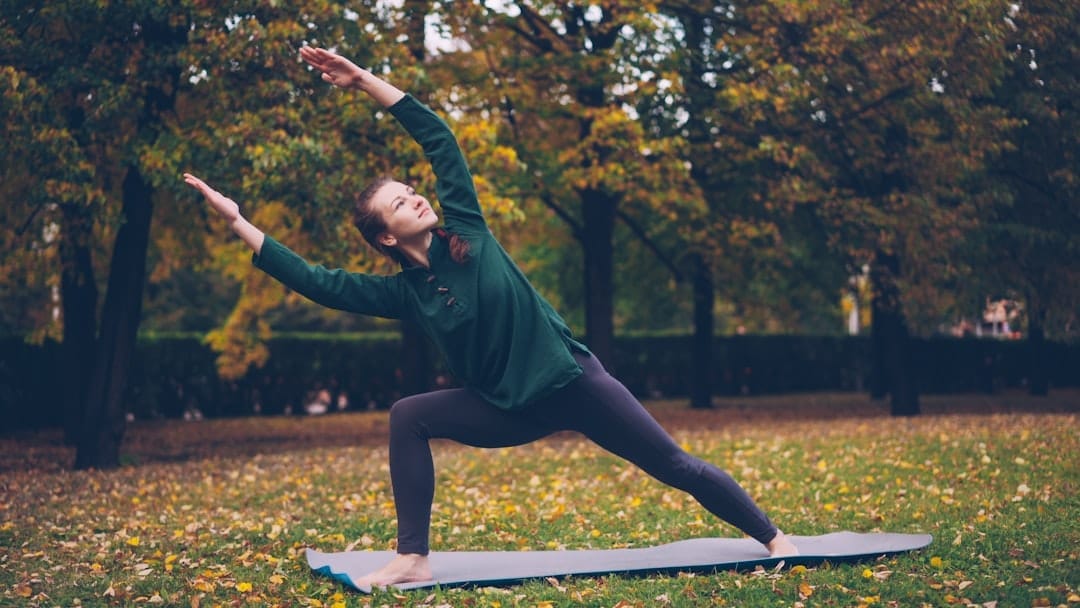
- Intuitive Movement: This isn’t about slogging it out in a high-impact aerobics class, unless that’s genuinely what your body craves. Intuitive movement encourages you to listen to your body’s innate wisdom. It’s about finding what feels good, what helps you express or release energy, be it a gentle sway, a vigorous dance, or a slow, deliberate stretch. The goal is not performance, but presence.
- Fascia Release: Imagine your body as a intricate network of interconnected silk sheets. Fascia is that connective tissue, and when it becomes tight or restricted due to stress or injury, it can impede movement and contribute to pain and emotional holding. Fascia release techniques aim to gently coax these sheets back into their natural fluidity, allowing for greater ease and emotional liberation.
- Breathwork: We often take our breath for granted, a passive necessity of survival. Yet, breath is a powerful regulator of our autonomic nervous system. Controlled breathing techniques can shift us from a state of fight-or-flight to one of rest-and-digest, literally retraining our biological stress response. It’s like learning to play a symphony on your own internal orchestra.
- Vagus Nerve Resets: The vagus nerve is the longest cranial nerve, essentially a highway connecting your brain to many of your vital organs. It plays a crucial role in your body’s stress response. Vagus nerve resets, often through gentle exercises, humming, or specific breathing patterns, aim to stimulate this nerve, promoting relaxation and emotional balance. It’s about tuning your internal dial to a calmer frequency.
This shift towards somatics represents a significant pivot, moving beyond the confines of talk therapy. While introspection and verbal processing remain valuable, they are now being viewed as part of a more comprehensive approach, where the body’s wisdom is invited to the conversation. It’s as if we’ve finally realised that our physical being holds a wealth of information that our verbal minds, for all their cleverness, might struggle to access directly. We’re now looking to our biology for guidance, rather than solely relying on our intellect to interpret our feelings.
Holistic therapy has gained significant attention in recent years as individuals seek more comprehensive approaches to their well-being. A related article that delves into the intricacies of holistic practices can be found at this link: Die vier Phasen einer Theorie. This piece explores various phases of understanding and integrating holistic methods, providing valuable insights for those interested in enhancing their mental and physical health through a more rounded perspective.
The Brain: The Command Centre, Reimagined
The brain, that magnificent, bewildering organ, has long been the subject of intense scientific scrutiny. In the wellness sphere, however, it’s also become something of a celebrity. We’re now entering the era of “neurowellness,” a frontier where technology and ancient wisdom converge to optimise our cognitive and emotional landscapes. It’s less about fixing a broken brain and more about fine-tuning a high-performance machine, albeit one that also happens to feel joy and experience existential dread. [2][6]
Neurowellness: The Tech-Assisted Ascent
The idea of regulating one’s nervous system through external means might sound like science fiction, but the reality is far more grounded, or perhaps, it’s about grounding the hyper-stimulated. Neurotech devices, once confined to clinical settings, are now becoming accessible tools, offering innovative ways to influence our internal states.
- Neuromodulation Devices: These devices, some of which are gaining FDA approval, aim to modulate neural activity. Think of them as sophisticated tuning forks for your brain. They can employ electrical or magnetic stimulation to influence specific brain regions, with the goal of improving mood, focus, or reducing anxiety. It’s like having a personal neurosurgeon operating at a sub-threshold level, promoting harmony rather than radical change.
- “Soft-Care” Methods: This is where the tech-forward approach gracefully intersects with gentler, more established practices. Breathwork, yoga, and touch therapy, as mentioned in the context of somatics, are also pivotal in regulating the nervous system. The nuance here is the intentional pairing of these practices with an understanding of neurological responses. For instance, a specific yoga pose might be recommended not just for its physical benefit, but for its documented effect on the parasympathetic nervous system.
- Biohacking for Nerves: While biohacking has often been associated with aggressive performance enhancement, in the context of neurowellness, it’s more about understanding and supporting the natural functions of the brain. This might involve carefully curated sleep schedules, targeted nutritional supplements, or even understanding how environmental stimuli impact neural pathways. It’s about informed self-management, not radical alteration.
The integration of these technologies and practices marks a fascinating evolution. We’re no longer just passively accepting our neurological states; we’re actively engaging with them, guided by scientific understanding and a growing appreciation for the body-mind connection. It’s as if we’re finally learning to read the intricate operating manual of our own brains, rather than just fumbling through the settings.
The Holistic Standard: A Unified Field of Wellbeing

The fragmented approach to health, where we see a cardiologist for our heart, a therapist for our mind, and perhaps a spiritual advisor for our soul, is gradually being superseded by a more integrated vision. The prevailing trend isn’t just about treating symptoms in isolation; it’s about cultivating a state of overall wellbeing, where the physical, mental, spiritual, and social dimensions are recognized as intrinsically linked. [3] This is the emerging “holistic health standard,” where prevention and proactive self-care are paramount.
The Integrated Approach: Beyond the Silo
The notion of a healthy life is no longer a prescription for avoiding illness. Instead, it’s about building resilience, fostering joy, and nurturing connections. This paradigm shift is being facilitated by a convergence of various disciplines and technologies.
- Prevention as Paramount: The focus is shifting from reactive treatment of disease to proactive cultivation of health. This involves understanding personal risk factors, adopting lifestyle choices that promote longevity, and engaging in practices that build robustness. It’s like tending your garden diligently throughout the year, rather than only trying to salvage it after a harsh winter.
- Digital Therapy and Apps: The proliferation of digital tools has democratised access to therapeutic interventions. From mental health apps offering guided meditations and CBT exercises to platforms connecting users with licensed therapists remotely, technology is playing a crucial role in making wellbeing support more accessible and convenient.
- AI-Driven Personalization: The future of holistic therapy is increasingly personalized. Artificial intelligence is being employed to analyze an individual’s data – be it sleep patterns, genetic predispositions, or responses to certain interventions – to create bespoke wellness plans. This allows for a level of customization that was previously unimaginable. It’s like having a personal tailor for your health, crafting a perfect fit.
- Community as a Pillar: Increasingly, the importance of social connection and community support is being recognised as fundamental to holistic wellbeing. Loneliness and social isolation are now understood to have significant detrimental health impacts, mirroring the effects of poor diet or lack of exercise. Therefore, fostering strong social bonds is seen as a vital component of a healthy life.
This holistic standard is not merely a rebranding of existing wellness practices; it represents a fundamental reorientation towards a more comprehensive understanding of what it means to be well. It acknowledges that our health is a complex interplay of factors, and that true wellbeing requires attention to all of them.
The Over-Optimization Backlash: A Return to Pleasure

There was a time, not so long ago, when the wellness industry seemed to be fuelled by a relentless pursuit of self-improvement, often at the expense of genuine enjoyment. We were encouraged to optimise our sleep, our workouts, our diets, our productivity – to the point where the very act of “being well” began to feel like another burdensome task. Thankfully, the tide is turning. We’re seeing a healthy backlash against this relentless drive for perfection, a recalibration towards pleasure, joy, and the simple act of embodied experience. [2]
Reclaiming Joy and Embodied Care
The shift here is from striving to simply being. It’s about embracing imperfection and finding value in the messy, unoptimized aspects of human experience.
- Scream Circles and Embodied Expression: Practices like scream circles, while sounding somewhat radical, are a testament to the need for cathartic release. They offer a sanctioned space for expressing intense emotions that might otherwise remain suppressed. This is about allowing the body to do what it needs to do, to let go of pent-up energy in a safe and contained environment.
- Pleasure as a Wellness Metric: The emphasis is moving from what is “good for you” in an abstinence-based sense to what genuinely brings you pleasure and energy. This might involve savouring a delicious meal without guilt, enjoying a leisurely walk in nature, or engaging in creative pursuits purely for the joy of it. Pleasure is being re-framed not as a sin, but as a vital component of a thriving life.
- Emotional Repair Over Enhancement: The focus is shifting from a desire to enhance already functioning capacities to a desire to heal what is wounded. This means acknowledging past traumas, processing difficult emotions, and cultivating self-compassion. It’s about tending to our inner landscape with kindness and patience, rather than constantly trying to add more to an already overflowing plate.
- Connection Over Isolation: The pursuit of hyper-individualized optimization often leads to a sense of isolation. This backlash encourages a return to genuine human connection, valuing shared experiences, empathy, and mutual support. It’s a recognition that we are fundamentally social beings, and our wellbeing is intertwined with the wellbeing of our communities.
This shift represents a much-needed rebalancing. It’s a reminder that wellness shouldn’t feel like a chore or a competition. It’s about cultivating a life that is not only healthy but also profoundly enjoyable and deeply connected.
Holistic therapy has gained significant attention in recent years, as individuals seek more comprehensive approaches to their well-being. This form of therapy considers the whole person—mind, body, and spirit—rather than just addressing specific symptoms. For those interested in exploring how to prepare for the future with a holistic mindset, a related article discusses various strategies that can be beneficial. You can read more about these insights in this informative piece. By integrating holistic practices into daily life, one may find a greater sense of balance and purpose.
The Rhythmic and Ancient Integration: Wisdom of the Ages, Science of Today
The modern wellness movement, in its desire to be scientific and evidence-based, sometimes seems to have forgotten the wisdom accumulated over millennia. Fortunately, a compelling trend is emerging: the deliberate integration of ancient healing practices and natural cycles with contemporary scientific understanding. It’s a recognition that the “new” is often just a rediscovery of the profoundly effective “old,” reinterpreted through the lens of modern research. [4]
Harmonising with Natural Rhythms
This integration is not a nostalgic nod to the past; it’s a practical application of time-tested principles now understood through the lens of neuroscience and physiology.
- Ancient Healing Modalities: Practices like acupuncture, traditional herbalism, mindfulness meditation, and certain forms of therapeutic touch, once relegated to the fringes, are now being studied and validated by scientific research for their efficacy in promoting physical and mental health. They offer insights into the body’s innate healing capabilities that modern medicine is only beginning to fully appreciate.
- Natural Cycles and Circadian Rhythms: There is a growing understanding of how aligning our lives with natural cycles – the sun, the moon, the seasons – can significantly impact our wellbeing. This includes optimising sleep based on circadian rhythms, incorporating seasonal foods, and understanding energy fluctuations throughout the day. It’s about working with our biology, rather than against it.
- Nervous System Regulation: Many ancient practices, from chanting to specific postures in yoga, are incredibly effective at regulating the nervous system. Modern science is now documenting why these practices work, often identifying their impact on the vagus nerve and the autonomic nervous system. This scientific validation lends new credibility and understanding
FAQs
What is holistic therapy?
Holistic therapy is an approach to health and wellness that considers the whole person—mind, body, and spirit—rather than focusing solely on symptoms or specific illnesses. It aims to promote overall balance and well-being through various complementary treatments.
What types of treatments are included in holistic therapy?
Holistic therapy can include a range of treatments such as acupuncture, massage therapy, aromatherapy, meditation, yoga, herbal medicine, and counselling. These therapies work together to support physical, emotional, and mental health.
Is holistic therapy suitable for everyone?
While holistic therapy can benefit many individuals, it may not be appropriate for everyone or every condition. It is important to consult with a healthcare professional before starting any holistic treatment, especially if you have existing medical issues or are undergoing conventional medical treatments.
How does holistic therapy differ from conventional medicine?
Conventional medicine typically focuses on diagnosing and treating specific diseases or symptoms, often using pharmaceuticals or surgery. Holistic therapy, on the other hand, emphasises treating the whole person and aims to address underlying causes, lifestyle factors, and emotional well-being alongside physical health.
Can holistic therapy be used alongside conventional medical treatments?
Yes, holistic therapy is often used as a complementary approach alongside conventional medical treatments. Many people find that combining both methods can enhance overall health outcomes, but it is essential to inform all healthcare providers about any holistic therapies being used to ensure safe and coordinated care.