
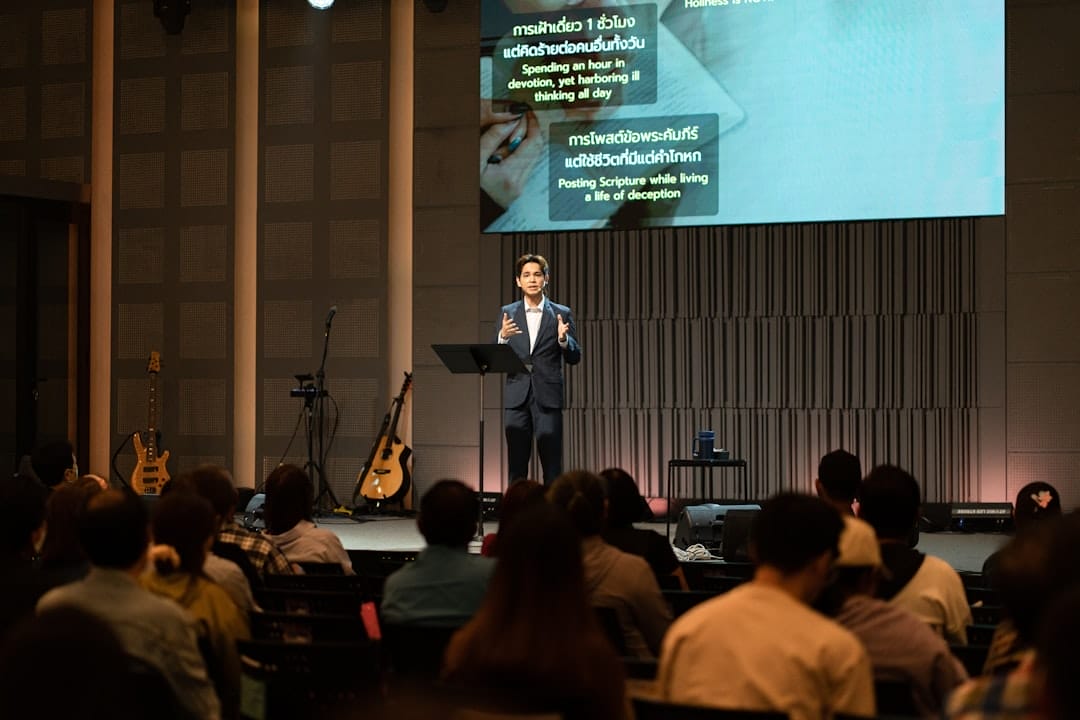
The annual ‘Empowering Healthcare’ conference arrived, as it always does, with the predictable fanfare of a particularly stubborn goose refusing to quit a perfectly manicured lawn. This year’s theme, apparently dreamt up during a caffeine-fueled brainstorm session involving enough buzzwords to fill a small dictionary, promised “Transformative Insights for a Brighter Tomorrow.” One couldn’t help but wonder if “tomorrow” was perhaps a bit ambitious, given that today’s healthcare system often felt less like a beacon of hope and more like a perpetually leaky sieve. Still, one attends. One always attends. For where else does one hear such meticulously crafted sentences about synergy and stakeholder engagement?
The opening keynote, delivered by Dr. Alistair Finch, CEO of ‘Innovate Medical Solutions’ (a company whose website, I’m reliably informed, features more stock photos of smiling, diverse professionals than actual medical equipment), began with the customary acknowledgments of “our esteemed colleagues” and “the dedicated individuals on the front lines.” Dr. Finch, a man whose tailored suit seemed to have been custom-built for the sole purpose of exuding an air of understated authority, then launched into a carefully rehearsed monologue about the “paradigm shift” we are currently witnessing.
Disrupting the Status Quo (with a Mildly Disruptive PowerPoint)
His presentation, accompanied by a rather busy PowerPoint deck that featured more concentric circles than a particularly abstract art exhibition, focused on AI’s transformative potential. Now, one has no issue with AI. Indeed, the thought of a robot performing one’s colonoscopy with greater precision and less small talk is, for some, a rather appealing prospect. However, Dr. Finch’s evangelism for AI seemed to bypass the rather thorny issue of where, precisely, we’re going to find all these data scientists to train these benevolent algorithms, especially when nurses are still grappling with archaic scheduling software.
He spoke of predictive analytics that would anticipate patient needs before the patient even realised they had them, reducing hospital readmissions and optimising resource allocation. A noble goal, certainly. Yet, one couldn’t help but picture an algorithm politely informing Mrs. Henderson, still sporting a rather fetching hospital gown, that her tea break was being optimsed out of existence for the greater good. The human element, it seems, remains a particularly messy variable in the equation of progress.
The Illusion of Personalisation (or, One Size Fits All, But Smartly)
Dr. Finch then moved onto the concept of personalised medicine, suggesting that soon we would all be receiving bespoke healthcare experiences tailored to our unique genetic predispositions and lifestyle choices. A truly magnificent vision, until one considers the current state of affairs where obtaining a timely appointment with a GP often feels little short of a Herculean labour. One imagines the algorithms working overtime to differentiate between a truly personalised treatment for a rare genetic condition and a mere preference for decaffeinated coffee. The devil, as they say, is in the data, and the data, in healthcare, is often as clean as an operating theatre after a particularly enthusiastic game of operation.
In the ever-evolving landscape of healthcare, the role of keynote speakers has become increasingly vital in shaping discussions and driving innovation. A related article that delves into the future of healthcare and the importance of visionary leadership can be found at this link. It explores how influential speakers can inspire change and foster collaboration among professionals in the industry, ultimately leading to improved patient outcomes and advancements in medical technology.
The Pragmatic Prophet: Grounding the Grandeur
Next up was Professor Eleanor Vance, a consultant geriatrician who, bless her cotton socks, looked as if she’d spent more time in actual hospitals than on various corporate boards. Her approach was refreshingly, almost jarringly, grounded. There was no talk of paradigm shifts or disruptive innovation, merely an honest assessment of the current challenges and a plea for practical solutions.
The Elephant in the Waiting Room (Hint: It’s Not AI)
Professor Vance spoke of the relentless pressure on frontline staff, the chronic underfunding that makes even basic maintenance a luxury, and the ever-expanding demographic bulge of an aging population. Her tone was not one of despair, but of weary exasperation, the kind that only comes from years of battling bureaucracy and witnessing human resilience in the face of systemic shortcomings.
She gently, but firmly, punctured some of the more hyperbolic claims from the preceding session. While acknowledging the potential of technology, she reminded the audience that a robot couldn’t hold a patient’s hand when they were crying, nor could an algorithm decipher the subtle nuances of emotional distress that often precede a physical complaint. It was a salient point, particularly for those of us who have witnessed the gradual dehumanisation of certain aspects of care in the relentless pursuit of efficiency.
Bureaucracy: The Unseen Pandemic
Her insights into the pervasive nature of administrative burden were particularly poignant. She described a system so choked by paperwork, audits, and compliance checks that the precious time intended for direct patient care was often swallowed whole by the relentless demands of documentation. One envisioned an entire army of healthcare professionals locked in a perpetual dance with clipboards and digital forms, perpetually inputting data that, while undoubtedly useful to some abstract entity, often felt utterly meaningless to the individuals themselves.
The Technocratic Optimist: Data, Data Everywhere

Dr. Kenji Tanaka, a rather dashing data scientist from a Silicon Valley start-up proudly emblazoned with the moniker ‘HealthPulse Analytics,’ then took to the stage. His energy was infectious, his youthful enthusiasm a stark contrast to Professor Vance’s more world-weary demeanour. He spoke of the “untapped potential” of healthcare data, painting a vivid picture of a future where every sneeze, every step, every dietary indiscretion would be meticulously recorded and analysed to ensure optimal health outcomes.
The Quantified Self: A Right to Be Forgotten?
Dr. Tanaka’s vision was one where wearable devices, smart sensors, and interconnected digital platforms would create a seamless, real-time tapestry of individual health data. While the prospect of proactive health monitoring certainly holds appeal, one couldn’t help but wonder about the ethical implications. The right to privacy, currently more of a whispered suggestion than a fundamental principle in the digital age, seemed to be gently nudged aside in favour of the greater good of collective health. One imagined a future where opting out of this data-driven utopia meant being branded as a health risk, a rogue variable in the beautifully orchestrated symphony of wellness.
The Algorithmic Panacea (with a Side of Unintended Consequences)
He presented case studies where algorithms had successfully identified early markers of disease, predicted outbreaks, and even optimised hospital cleaning schedules (a truly vital, if less glamorous, application of AI). However, the underlying assumption was always that the data was clean, unbiased, and representative. One knows, from ample anecdotal evidence and quite a lot of depressing research, that data is often none of those things. Algorithms, it seems, are rather good at amplifying existing biases, turning a subtle societal inequality into a mathematically validated truth. The potential for algorithmic injustice, though unspoken, hung heavy in the air, a phantom limb of technological progress.
The Patient Advocate: A Human Touch in a Digital World
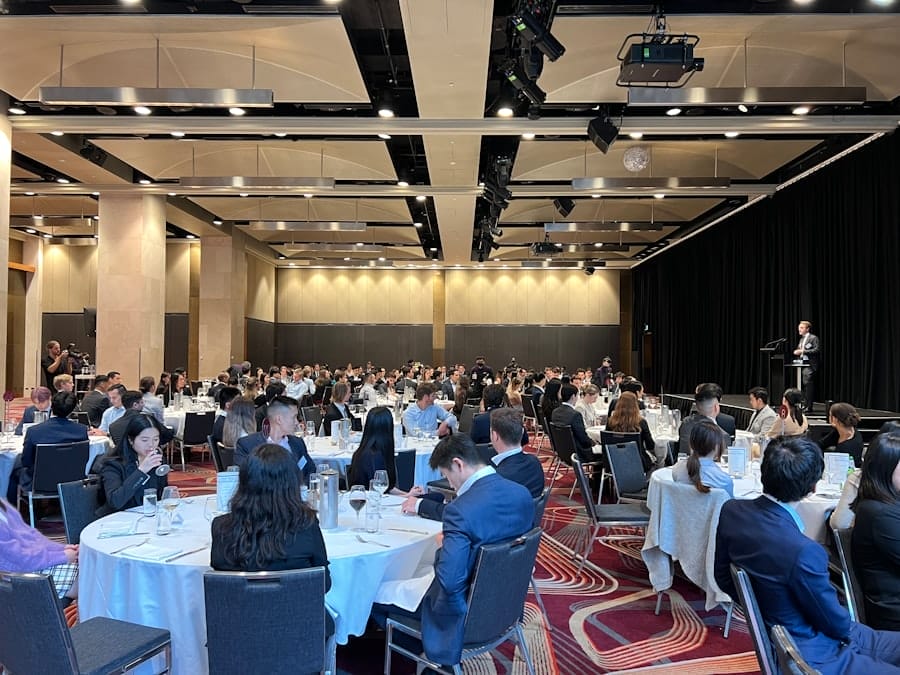
Our final keynote speaker was Sarah Jenkins, a patient advocate whose personal story of navigating a complex healthcare system had clearly fuelled her passionate commitment to improving the patient experience. She possessed a warmth and authenticity that cut through the corporate jargon and academic abstraction like a well-serrated knife through a particularly tough piece of toast.
Beyond the Diagnosis: The Lived Experience
Ms. Jenkins spoke not of datasets and algorithms, but of fear, frustration, and the profound sense of vulnerability that comes with illness. She highlighted the often-overlooked emotional and psychological toll that permeates the patient journey, a journey that, for all the talk of seamless integration, often feels disjointed and depersonalised. Her anecdotes, heartfelt and raw, served as a powerful reminder that behind every data point, there was a human being with a story, with hopes, and with anxieties.
She spoke of the importance of clear communication, of empathy, and of ensuring that patients felt heard and respected, rather than simply processed. It was a salutary lesson for an audience perhaps too preoccupied with the grand architecture of healthcare to always remember the individuals who inhabit its sometimes-unforgiving corridors.
Empowerment, Not Just Prescription
Her central tenet was that true patient empowerment extends beyond merely providing information. It involves fostering a sense of agency, allowing individuals to actively participate in their own care decisions, and ensuring that they have the resources and support to navigate what can often feel like an impenetrable labyrinth. One couldn’t help but feel a flicker of cynicism at the thought of busy clinicians attempting to genuinely empower every patient in a system designed for speed and throughput, but the sentiment was undeniably admirable.
In the ever-evolving landscape of healthcare, the role of keynote speakers has become increasingly vital in shaping discussions and inspiring innovation. A recent article highlights the significance of engaging speakers who can effectively communicate complex ideas and motivate healthcare professionals to embrace change. For those interested in exploring this topic further, the article can be found here. By understanding the impact of these influential figures, organisations can better prepare for the challenges and opportunities that lie ahead in the healthcare sector.
The Concluding Remarks: A Call to (Cautious) Action
As the conference drew to a close, the plenary session offered a platform for a moderated discussion that felt less like a genuine debate and more like a carefully orchestrated ballet of polite disagreement. The various perspectives, though eloquently articulated, remained largely siloed, each expert retreating to their intellectual trenches.
The overarching sentiment, however, was one of cautious optimism. The potential for technology to revolutionise healthcare is undeniable, as is the unwavering dedication of those who work within the system. Yet, beneath the veneer of progress and innovation, the fundamental challenges persist: underfunding, staffing shortages, systemic inefficiencies, and the ever-present danger of losing sight of the human at the heart of it all.
One left the conference with a sense of intellectual stimulation, a notebook full of bullet points, and a lingering question: when all the empowering keynote speeches have been delivered, and all the transformative insights have been shared, will tomorrow’s healthcare truly be brighter, or merely more technologically intricate? The jury, it seems, remains eternally out, contemplating a world where the future of health rests precariously between the dazzling promise of algorithms and the enduring importance of a warm, human touch. And perhaps, just perhaps, that’s precisely where it should be.
FAQs
What are healthcare keynote speakers?
Healthcare keynote speakers are experts in the healthcare industry who are invited to deliver keynote speeches at conferences, seminars, and other events. They are often thought leaders, industry professionals, or experts in specific healthcare fields.
What topics do healthcare keynote speakers cover?
Healthcare keynote speakers cover a wide range of topics related to the healthcare industry, including healthcare technology, patient care, healthcare policy, healthcare innovation, healthcare leadership, and more. They provide insights, expertise, and thought-provoking ideas to their audiences.
Why are healthcare keynote speakers important?
Healthcare keynote speakers are important because they provide valuable insights, expertise, and knowledge to their audiences. They help to educate, inspire, and motivate healthcare professionals, industry leaders, and stakeholders to drive positive change and innovation in the healthcare sector.
How can healthcare keynote speakers benefit healthcare organisations?
Healthcare keynote speakers can benefit healthcare organisations by providing valuable insights, expertise, and knowledge that can help to drive innovation, improve patient care, and address challenges within the healthcare industry. They can also inspire and motivate healthcare professionals to excel in their roles.
Where can I find healthcare keynote speakers for an event?
Healthcare keynote speakers can be found through speaker bureaus, professional networks, industry associations, and online platforms that specialise in connecting event organisers with expert speakers. It’s important to research and select a speaker who is well-versed in the specific healthcare topics relevant to your event.