
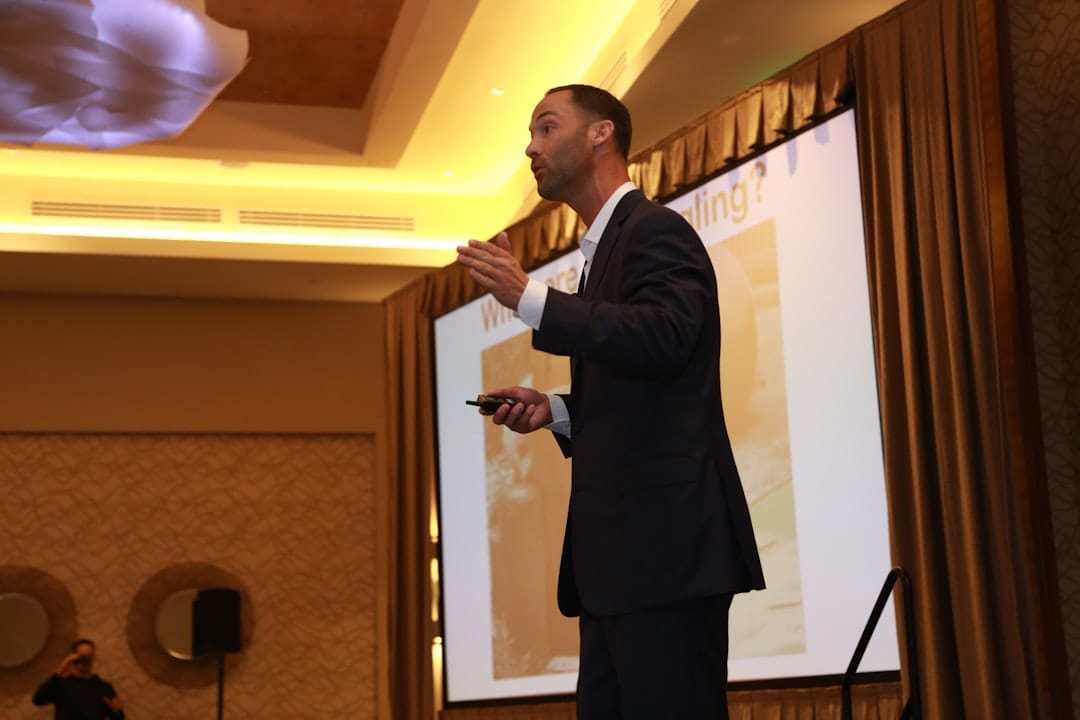
Right then, let’s have a chinwag about something that often gets tossed around in the corporate ether like a forgotten tea bag: customer service. Specifically, the rather dramatic proposition of “empowering your team with customer service keynote speakers.” It sounds rather like a superhero origin story, doesn’t it? Our crack team of accountants, perpetually hunched over spreadsheets, suddenly sprouting capes emblazoned with “The Complaint Conqueror” and “The Service Sage.”
Now, before you start picturing a stage full of slightly bewildered individuals being galvanised by someone who’s mastered the art of the deferential smile and a well-timed “How can I help you today?”, let’s just pump the brakes. This isn’t about conjuring mystical customer service fairies with a wave of a TED Talk. It’s about, dare I say it, strategy. And where there’s strategy, there’s often a hefty invoice to accompany it.
The notion of bringing in an external expert to empower your team is, on the face of it, a noble one. After all, who knows more about customer service than someone who’s made a career out of talking about it? They’ve surely seen it all, from the irate customer demanding a refund for a slightly bruised banana to the saintly individual who’s just popped in for a polite chat about the weather while simultaneously trying to return a year-old item with no receipt. These are the battle scars of seasoned customer-facing professionals, and a good speaker, theoretically, can translate those grizzled experiences into actionable wisdom.
But let’s not kid ourselves. The reality of the keynote circuit can be a mixed bag, akin to rummaging through a charity shop for a cashmere jumper and finding primarily moth-eaten acrylic. We’ve all heard them, haven’t we? The ones who speak in platitudes so broad they could encompass the entirety of human endeavour. The charmers who can sell ice to Eskimos, but whose actual advice would leave a corner shop owner scratching their head. The question then becomes: is this genuine empowerment, or just a very expensive way to tell people to be polite?
The Allure of the External Oracle
There’s an undeniable appeal to inviting an outsider in to sprinkle their magic dust. It signals to your team that you, the management, are taking this whole “customer experience” thing seriously. It’s a tangible investment, a loud and proud declaration that satisfaction isn’t just a buzzword; it’s something you’re willing to pay for… in the hopes it will yield dividends.
The “Fresh Pair of Eyes” Phenomenon
One of the prime selling points of a keynote speaker is the promise of a fresh perspective. Your own employees, bless their long-suffering hearts, can become rather entrenched in the daily grind. The jargon, the ingrained processes, the unspoken grievances – it all becomes background noise. An external speaker, unburdened by this internalised chaos, can often see the wood for the trees, or at least offer a different angle on why the wood might be slightly damp and the trees looking a bit spindly.
Unpacking the “Why” Behind the Niggles
A good speaker can articulate the fundamental principles of good customer service in a way that resonates, stripping away the departmental silos and organisational politics. They might remind Brenda from Accounts that the reason Mr. Henderson in aisle three is so flustered is because his grandmother’s birthday cake is half-an-hour late, not because she’s personally offended by his meticulous approach to invoice processing. It’s about humanising the interaction, reminding everyone that behind every query, every complaint, there’s a person with needs, desires, and, let’s face it, probably a bad day underway.
The “Validation” of Their Struggles
Sometimes, your team just needs to know that their daily struggles are recognised and understood by someone who isn’t directly involved in the operational trenches. A speaker who shares anecdotes of similar challenges faced by other organisations, and the successful strategies employed to overcome them, can be incredibly validating. It’s a quiet nod to the fact that yes, dealing with the public isn’t always a walk in the park with a complimentary scone.
From Grumbles to Grand Gestures
The hope is that this validation will translate into a renewed sense of purpose. When staff feel that their daily battles are acknowledged, they are more likely to feel motivated to go the extra mile, to turn a potentially negative interaction into a positive one. It’s about fostering a belief that their actions have a real impact, rather than just being a cog in a machine.
In the realm of customer service, the insights shared by keynote speakers can significantly enhance organisational strategies and improve customer satisfaction. For an in-depth exploration of the future of customer service and its evolving landscape, you may find the article “Wer gehört die Zukunft?” particularly enlightening. This piece delves into the trends shaping customer interactions and the importance of adapting to these changes. To read more, visit Wer gehört die Zukunft?.
The Curious Case of the Preaching to the Choir
Now, let’s inject a healthy dose of that irony. The success of any keynote speaker hinges on a crucial, often overlooked, factor: who exactly are they speaking to? Are they addressing a room full of eager junior staff who are genuinely hungry for guidance? Or are they facing a panel of seasoned, perhaps even slightly jaded, managers and department heads?
The “We Already Do That” Syndrome
It’s a classic. You’ve invested a considerable sum in a charismatic individual who eloquently espouses the virtues of active listening. The room nods sagely. Then, later that day, you overhear Dave from Marketing telling a supplier that he’s “too busy to talk right now” and that they should “send an email and hope for the best.” The speaker’s pearls of wisdom have, it seems, bounced off the more entrenched members of the team like a particularly ineffective water pistol.
The Echo Chamber Effect
The issue can be that the most receptive audience for such a message is often the very group that already understands its importance. The customer service champions, the ones already going above and beyond, will find their existing practices affirmed. For those who are perhaps less engaged or more resistant to change, the speaker’s words might simply float over their heads, a pleasant but ultimately forgettable interlude in their day.
The “Motivation” Mirage
There’s a fine line between genuine empowerment and fleeting motivation. A rousing speech can certainly inject a temporary surge of optimism. People might leave the auditorium feeling inspired, ready to tackle the world of customer interactions with renewed vigour. But what happens when the reality of a difficult customer or a system failure hits them a few hours later? Does the motivational high survive the onslaught of everyday frustrations?
The Shelf Life of Enthusiasm
The danger here is that the “empowerment” offered by a keynote speaker can be ephemeral. It’s like a sugar rush – exhilarating for a short period, but quickly followed by a slump. True empowerment, the kind that leads to sustained behavioural change and improved service, requires more than just a motivational blast. It needs reinforcement, ongoing training, and a workplace culture that actively supports and rewards excellent customer care.
When “Expert” Means “Someone Who Knows More Than Us”
Let’s be blunt. The definition of “expert” in this context can be rather fluid. Are we talking about someone who has personally navigated the choppy waters of customer service for decades, armed with real-world battle scars? Or are we talking about someone who has meticulously researched the theories and packaged them into a digestible, digestible, and no doubt, expensive, presentation?
The Theoretical Versus the Tangible
There’s a palpable difference between theoretical knowledge and practical application. A speaker might present a flawless model of empathy, complete with carefully crafted scenarios. But can they truly impart the subtle nuances of reading a customer’s body language, the instinctual art of de-escalation, or the sheer resilience required to handle repetitive, soul-crushing complaints? These are skills honed through experience, not just infographics.
The “Been There, Done That” Credibility Gap
If a speaker hasn’t recently been on the front lines, their advice, however well-intentioned, can sometimes feel disconnected. Imagine a football manager who hasn’t played competitively in twenty years trying to coach a team through a tense penalty shootout. The tactical knowledge might be there, but the feel for the pressure, the visceral understanding of the player’s nerves, might be missing. This can lead to a credibility gap that diminishes the impact of their message.
The “One-Size-Fits-All” Fallacy
A keynote speaker, by necessity, often has to deliver a message that has broad appeal. This can lead to generic advice that doesn’t necessarily address the specific challenges and unique customer base of your particular organisation. What works for a luxury hotel might be entirely inappropriate for a budget airline, and vice versa.
Tailoring the Template (or Lack Thereof)
The real value, if it exists, lies in a speaker’s ability to adapt their message to the specific context of the audience. However, the nature of large-scale keynotes often precludes deep customisation. The result can be the delivery of a perfectly polished speech that, unfortunately, doesn’t quite hit the mark for the individuals sitting in the room, who might be grappling with entirely different issues.
The Hidden Costs of Inspirational Speaking
Beyond the headline fee for the speaker, there are often a number of less obvious costs associated with booking them. These are the expenses that don’t appear on the initial quote but can add up, leaving you wondering if the “empowerment” was truly worth the outlay.
The Time Away From Work That Isn’t Just Training
While the intention is to empower, the execution often involves pulling staff away from their revenue-generating activities, or at the very least, their core responsibilities. For a team of busy sales professionals, for example, an entire day spent listening to someone talk about “service excellence” might feel like a day lost in the pursuit of their targets.
Productivity Drain vs. Performance Gain
The organisation needs to weigh the potential, often intangible, gains in team morale and customer service against the concrete loss of productivity. Is the brief uplift in enthusiasm going to translate into measurable improvements that outweigh the lost working hours? It’s a calculation that often favours the charismatic speaker over the pragmatic accountant.
The “Follow-Up” Void
The post-keynote period is critical. If the energy generated by the speaker isn’t capitalised upon, it quickly dissipates. This often requires follow-up training, reinforcement from management, and the integration of the speaker’s ideas into the company’s existing workflows. If these elements are missing, the keynote becomes little more than a well-staged theatrical performance.
The Crumbling Foundation of Good Intentions
Without a solid foundation of ongoing support and integration, the speaker’s message can become like a forgotten New Year’s resolution. The initial good intentions crumble under the weight of daily routine and pressure. Management then has to pick up the slack, often wondering why they spent a small fortune on someone else to tell their staff what they already knew, or what now needs to be retaught in a more practical setting.
In the realm of customer service, the insights shared by keynote speakers can significantly influence organisational culture and practices. A recent article explores the duration of paradigm shifts within businesses, highlighting how effective communication and leadership play crucial roles in this process. For a deeper understanding of these dynamics, you can read the article here: how long a paradigm shift takes. By integrating the lessons from such discussions, companies can enhance their customer service strategies and foster a more responsive environment.
So, Should You Bother? A Matter of Discernment
Ultimately, the decision to hire a customer service keynote speaker is not a simple yes or no. It’s a question of careful consideration, discerning judgement, and a healthy dose of scepticism. While the ideal scenario involves a speaker who genuinely inspires, educates, and leaves a lasting positive impact, the reality can often be a tad more… theatrical.
The “Art of the Deal” with Speakers
It’s crucial to do your homework. Look beyond the glossy brochures and the celebrity endorsements. Seek out speakers who have a proven track record of delivering demonstrable results, not just entertaining anecdotes. Ask for testimonials from companies with similar challenges to yours. And perhaps, most importantly, have a frank conversation with them about their approach and how they intend to tailor their message to your specific needs.
Beyond the Buzzwords: Seeking Substance
The most effective speakers aren’t the ones who use the most buzzwords, but the ones who can offer practical, actionable advice that your team can implement immediately. They are the ones who understand that true empowerment comes not from a single, grand pronouncement, but from consistent reinforcement and a supportive organisational culture.
The In-House Alternative: A Less Flashy, Potentially More Effective Route
Before you open your wallet to an external oracle, consider the potential within your own organisation. Do you have internal experts who could host workshops? Could you create an employee-led learning initiative where best practices are shared and celebrated? Sometimes, the most authentic and impactful empowerment comes from within.
Nurturing Internal Talent: The Long Game
Investing in your existing team’s development through internal training programmes, mentoring, and creating a culture that values and rewards excellent customer service can be a more sustainable and cost-effective approach to long-term empowerment. It’s less about a magic bullet and more about cultivating a garden of truly exceptional service.
In conclusion, while the idea of a keynote speaker injecting a dose of customer service brilliance into your team has its allure, approach with caution. A good speaker can indeed be a valuable catalyst. But remember, true empowerment is a marathon, not a sprint, and it often requires more than just a well-delivered speech. It requires ongoing effort, genuine investment, and a culture that truly believes in the power of putting the customer first. And that, my friends, is a message that no single speaker, however charismatic, can deliver on their own.
FAQs
What is a customer service keynote speaker?
A customer service keynote speaker is a professional who delivers speeches and presentations at events, conferences, and seminars, focusing on topics related to customer service, customer experience, and customer satisfaction. They are experts in the field and are hired to inspire, educate, and motivate audiences to improve their customer service practices.
What are the benefits of hiring a customer service keynote speaker?
Hiring a customer service keynote speaker can bring several benefits to an organisation, including gaining valuable insights and strategies for improving customer service, enhancing employee motivation and engagement, and ultimately, improving customer satisfaction and loyalty. Keynote speakers can also provide fresh perspectives and innovative ideas to help businesses stay ahead in the competitive market.
How can a business find the right customer service keynote speaker?
Businesses can find the right customer service keynote speaker by researching and identifying speakers who have expertise in customer service, have a strong track record of delivering impactful presentations, and align with the values and goals of the organisation. It’s important to review the speaker’s credentials, testimonials, and past speaking engagements to ensure they are the right fit.
What topics do customer service keynote speakers typically cover?
Customer service keynote speakers typically cover a wide range of topics related to customer experience, customer satisfaction, employee engagement, leadership, and organisational culture. They may also address specific challenges and trends in the customer service industry, such as digital transformation, omnichannel customer support, and the impact of technology on customer interactions.
How can a customer service keynote speaker help improve customer satisfaction?
A customer service keynote speaker can help improve customer satisfaction by sharing best practices, strategies, and insights that empower employees to deliver exceptional customer service. By inspiring and motivating teams to embrace a customer-centric mindset, keynote speakers can drive positive change within an organisation, leading to improved customer satisfaction and loyalty.