

In the grand tapestry of life, change is the only constant—much like that one friend who insists on bringing kale chips to every gathering, regardless of the occasion. Organizations, too, find themselves at a crossroads where stagnation is no longer an option. The world spins faster than a hamster on a caffeine high, and businesses must adapt or risk being left behind in the dust of obsolescence. Whether it’s technological advancements, shifting consumer preferences, or the ever-elusive quest for efficiency, understanding the need for change is akin to realizing that your favorite pair of jeans no longer fits: uncomfortable but necessary.
The urgency for change often stems from external pressures, such as market competition or economic fluctuations. However, internal factors can be just as compelling. A company might find itself grappling with low employee morale, outdated practices, or a culture that resembles a stagnant pond rather than a flowing river. Recognizing these signs is crucial; it’s like noticing that your car is making a strange noise—ignoring it won’t make it go away. Embracing change is not merely about survival; it’s about thriving in an environment that demands innovation and agility.
In the context of accompanying change processes, it is essential to explore various perspectives and strategies that can facilitate successful transitions. A related article that delves into these themes is available at this link: Wem gehört die Zukunft?. This article offers insights into the ownership of future developments and the implications for organizations navigating change, making it a valuable resource for anyone involved in managing transformation.
Key Takeaways
- Recognize the importance of change to address organizational challenges and growth.
- Pinpoint specific areas that require improvement for effective transformation.
- Develop a clear and inspiring vision to guide future change efforts.
- Communicate changes transparently to engage and inform employees.
- Empower and support employees to adopt new policies and sustain ongoing improvement.
Identifying Areas for Improvement
Once the need for change has been acknowledged, the next step is to identify specific areas that require improvement. This process can be likened to a spring cleaning session—nobody enjoys it, but the results are undeniably refreshing. Organizations must take a hard look at their operations, culture, and employee engagement levels. This introspection can be uncomfortable, much like trying on last year’s swimwear after a long winter, but it’s essential for growth.
One effective method for pinpointing areas in need of improvement is soliciting feedback from employees. After all, who better to identify inefficiencies than those who navigate the daily grind? Conducting surveys or holding focus groups can yield valuable insights into what’s working and what’s not. It’s important to create an environment where employees feel safe to voice their opinions—think of it as inviting them to a potluck where they can bring their most honest dish without fear of judgment. By fostering open communication, organizations can uncover hidden gems of potential improvement that may have otherwise gone unnoticed.
Creating a Vision for the Future

With areas for improvement identified, it’s time to craft a vision for the future—a guiding star that will lead the organization through the murky waters of change. This vision should be ambitious yet attainable, like setting a goal to run a marathon while still allowing for the occasional pizza night. A well-articulated vision serves as a rallying cry for employees, igniting their passion and commitment to the cause.
To create this vision, leaders must consider the organization’s core values and long-term objectives. It’s essential to paint a vivid picture of what success looks like post-change. This vision should resonate with employees on an emotional level, inspiring them to envision themselves as integral players in this transformative journey. Think of it as crafting a compelling movie trailer that leaves everyone eager to see how the story unfolds. When employees can see themselves in the narrative, they are more likely to embrace the changes ahead.
Communicating the Change to Employees
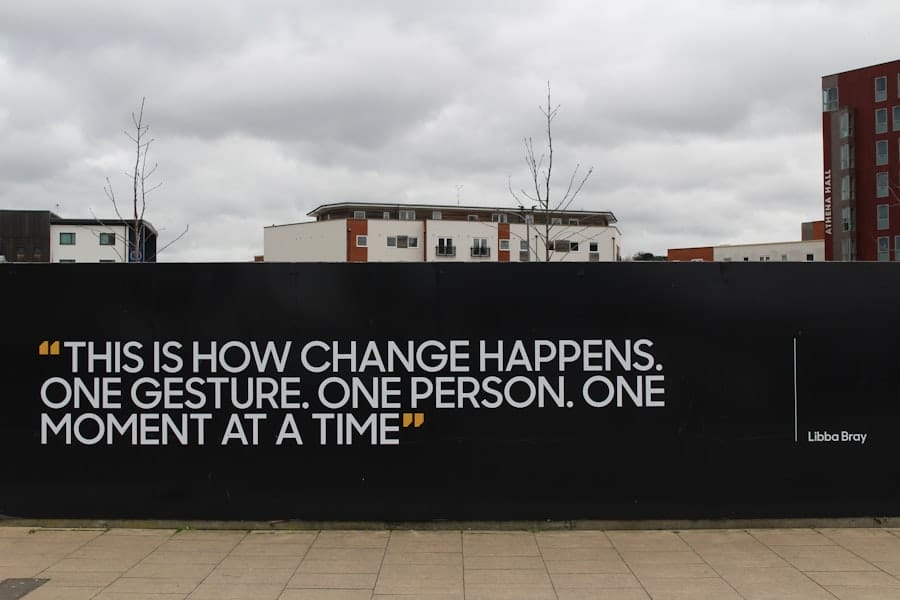
Once the vision is established, effective communication becomes paramount. It’s not enough to simply send out an email with bullet points outlining the changes; that’s about as engaging as watching paint dry. Leaders must adopt a multi-faceted approach to communication that includes town hall meetings, interactive workshops, and even good old-fashioned face-to-face conversations. The goal is to ensure that every employee understands not only what is changing but also why it matters.
Transparency is key during this phase. Employees are naturally skeptical creatures; they’ve seen enough corporate jargon to fill a library.
By openly discussing the reasons behind the changes and addressing any concerns head-on, leaders can build trust and foster a sense of ownership among employees.
It’s like being upfront about why you’re suddenly eating kale chips—nobody wants to feel like they’re being fed a line of nonsense. When employees feel informed and included in the process, they are more likely to support the changes rather than resist them.
In the context of accompanying change processes, it is essential to understand the various pathways that organizations can take to implement effective transformations. A related article that delves into this topic is available at the Dienstweg, which explores the nuances of navigating organizational change and the potential pitfalls that can arise. By examining these strategies, leaders can better equip themselves to guide their teams through the complexities of change.
Empowering Employees to Embrace Change
Empowerment is the secret sauce that transforms reluctant participants into enthusiastic advocates for change. Once employees understand the vision and rationale behind it, leaders must provide them with the tools and resources necessary to embrace this new reality. This could involve training programs, mentorship opportunities, or simply encouraging employees to take ownership of their roles in the transformation process.
Creating a culture of empowerment means giving employees permission to experiment and innovate without fear of failure. It’s about fostering an environment where mistakes are viewed as learning opportunities rather than career-ending catastrophes. Imagine a workplace where employees feel free to pitch wild ideas—like introducing “Bring Your Pet to Work” day every Friday—without worrying about being shot down. When employees feel empowered, they become more engaged and invested in the success of the organization.
Implementing New Policies and Procedures
With employees on board and empowered, it’s time to roll up those sleeves and implement new policies and procedures. This phase can feel daunting; after all, change often comes with its fair share of hiccups and growing pains. However, approaching implementation with a sense of humor can ease tensions and foster resilience among employees. Think of it as navigating through a funhouse—there will be twists and turns, but ultimately everyone will emerge on the other side with a smile (and perhaps a few laughs).
To ensure a smooth implementation process, organizations should consider piloting new policies in smaller teams before rolling them out company-wide. This allows for real-time feedback and adjustments based on actual experiences rather than hypothetical scenarios. It’s like testing out a new recipe on friends before serving it at Thanksgiving dinner—better to find out if it needs more seasoning before everyone takes a bite! By taking this iterative approach, organizations can refine their processes and address any unforeseen challenges before they escalate.
Measuring the Impact of Change
Once new policies and procedures are in place, measuring their impact becomes essential for determining success and identifying areas for further improvement. This phase is akin to checking your GPS after taking a detour; you want to ensure you’re still headed in the right direction. Organizations should establish key performance indicators (KPIs) that align with their vision and goals, allowing them to track progress over time.
Regularly reviewing these metrics provides valuable insights into what’s working and what might need adjustment. It’s important to celebrate successes along the way—no matter how small—because positive reinforcement can motivate employees to continue embracing change. Think of it as throwing confetti every time someone reaches a milestone; it keeps spirits high and reminds everyone that progress is being made. Conversely, if certain initiatives aren’t yielding the desired results, organizations must be willing to pivot and adapt rather than stubbornly sticking to a failing plan.
Sustaining a Culture of Continuous Improvement
Finally, sustaining a culture of continuous improvement is crucial for ensuring that change becomes ingrained in the organization’s DNA rather than just a fleeting trend. This requires ongoing commitment from leadership and active participation from all employees. It’s about creating an environment where innovation is celebrated and feedback is welcomed—a place where everyone feels empowered to contribute ideas for enhancement.
To foster this culture, organizations should encourage regular check-ins and discussions around improvement initiatives. This could take the form of monthly brainstorming sessions or informal coffee chats where employees can share their thoughts without fear of judgment. By making continuous improvement a part of everyday conversations, organizations can cultivate an atmosphere where change is not only accepted but embraced as an integral part of growth.
In conclusion, navigating change within an organization is no small feat; it requires careful planning, open communication, and a commitment to empowering employees at every level. By understanding the need for change, identifying areas for improvement, creating a compelling vision, and fostering a culture of continuous improvement, organizations can not only survive but thrive in an ever-evolving landscape. So let’s raise our kale chips in celebration of change—because if we’re going to embrace it, we might as well do so with style!